
Last updated November 14, 2026
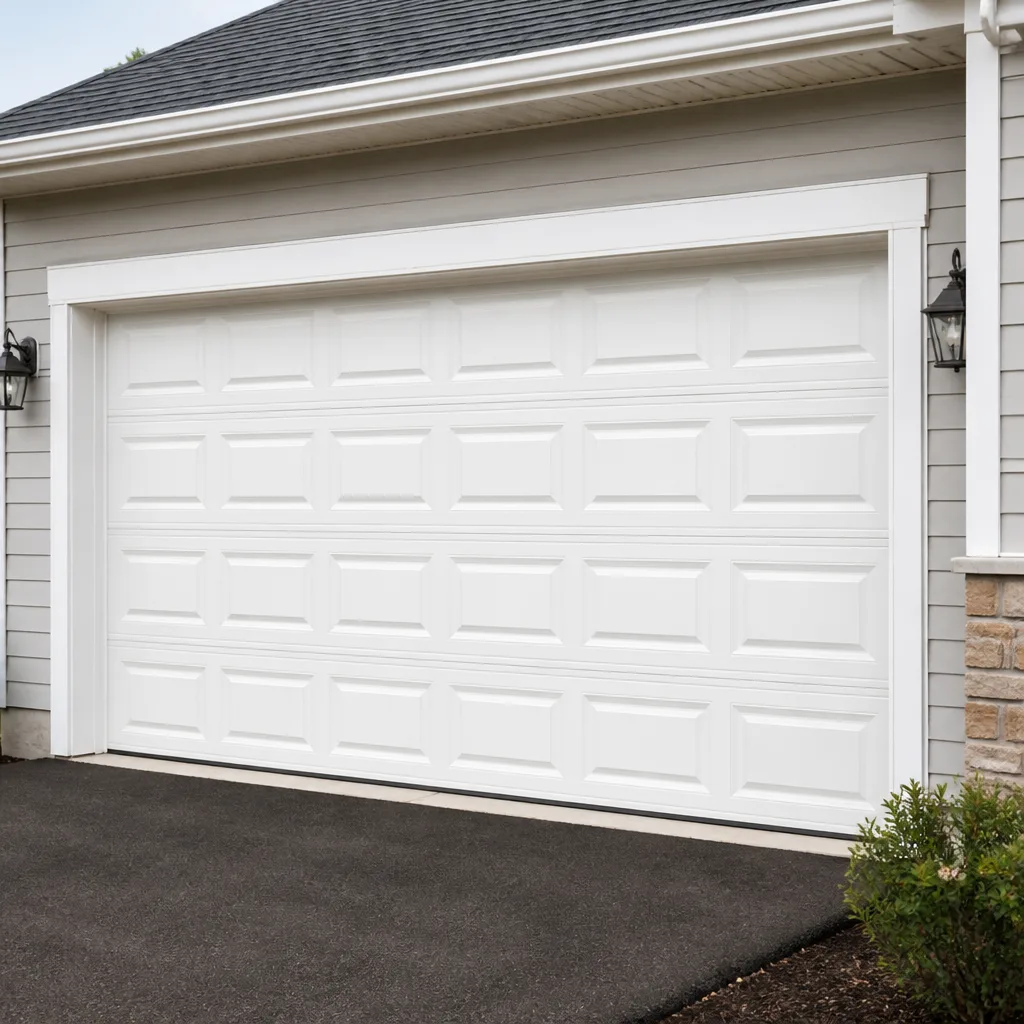 Raised-panel steel
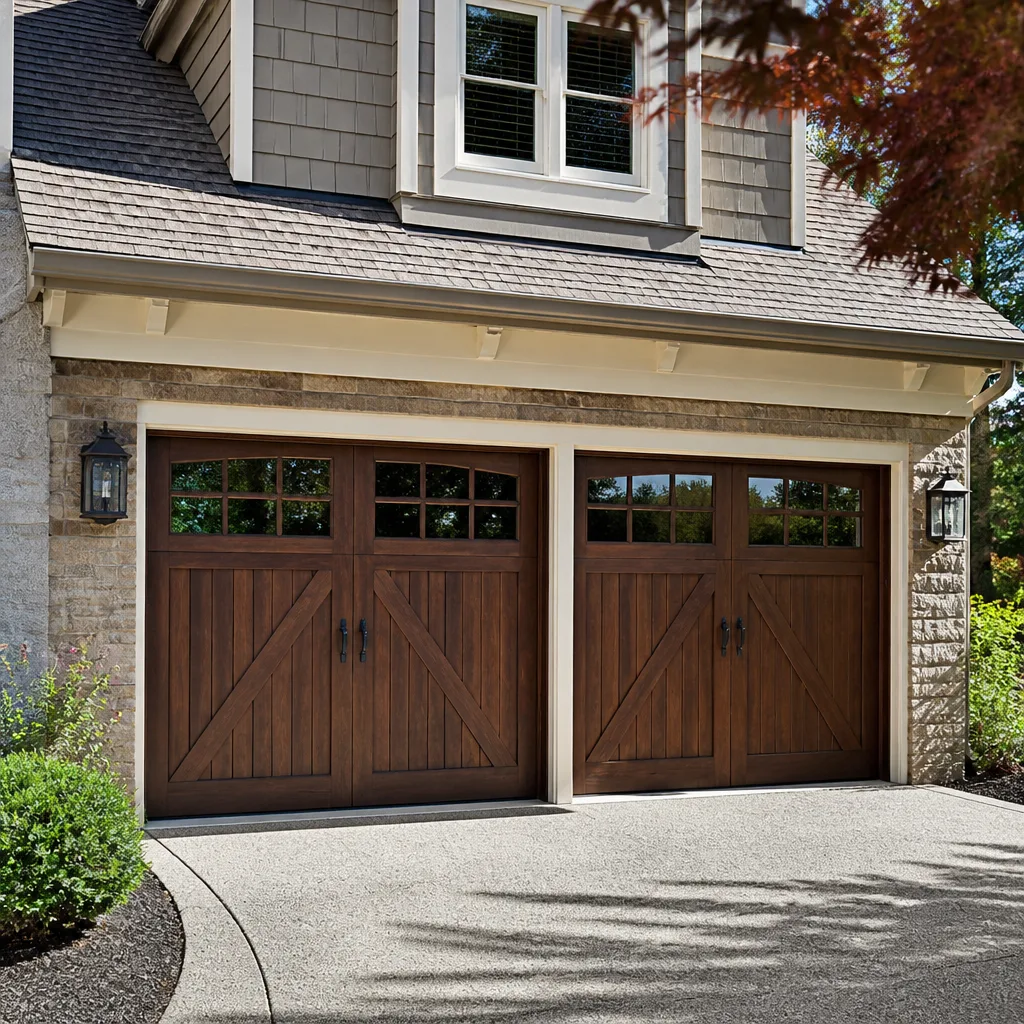 Carriage house
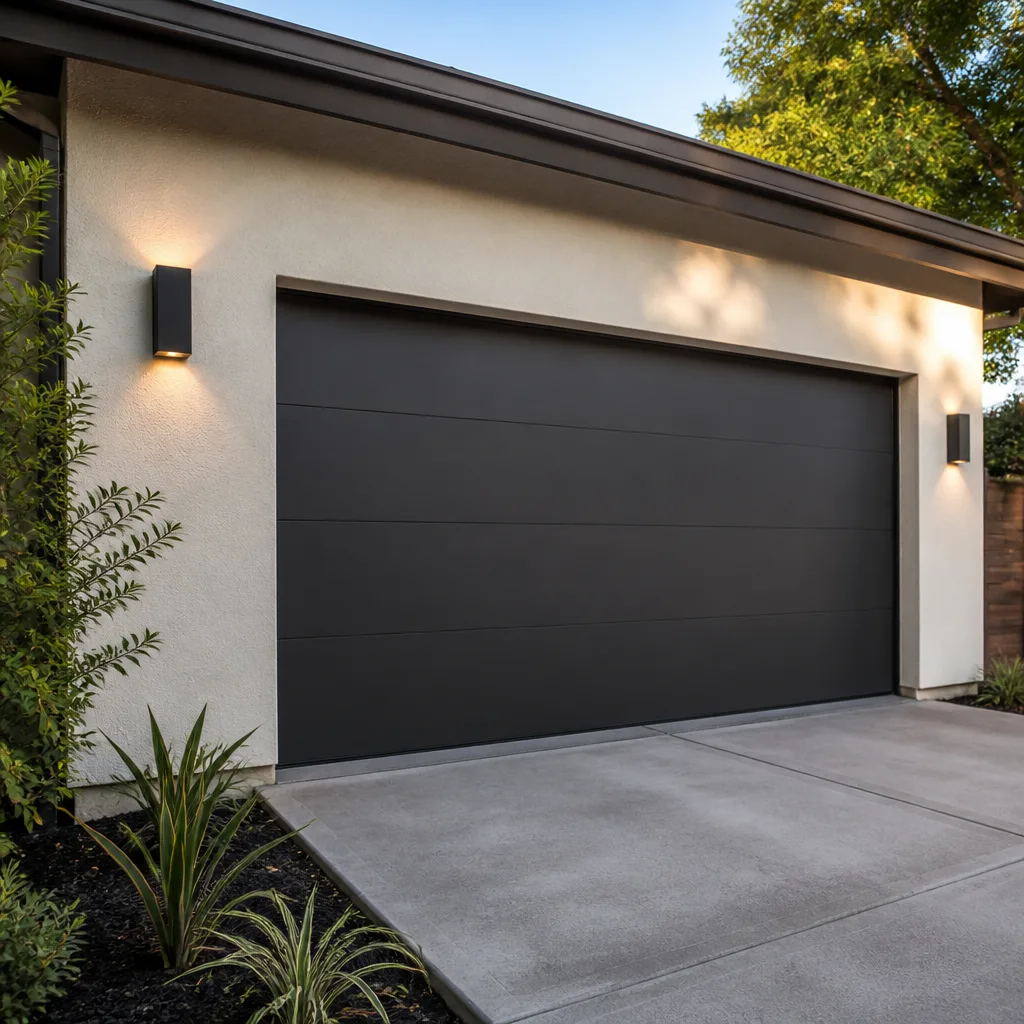 Modern flush
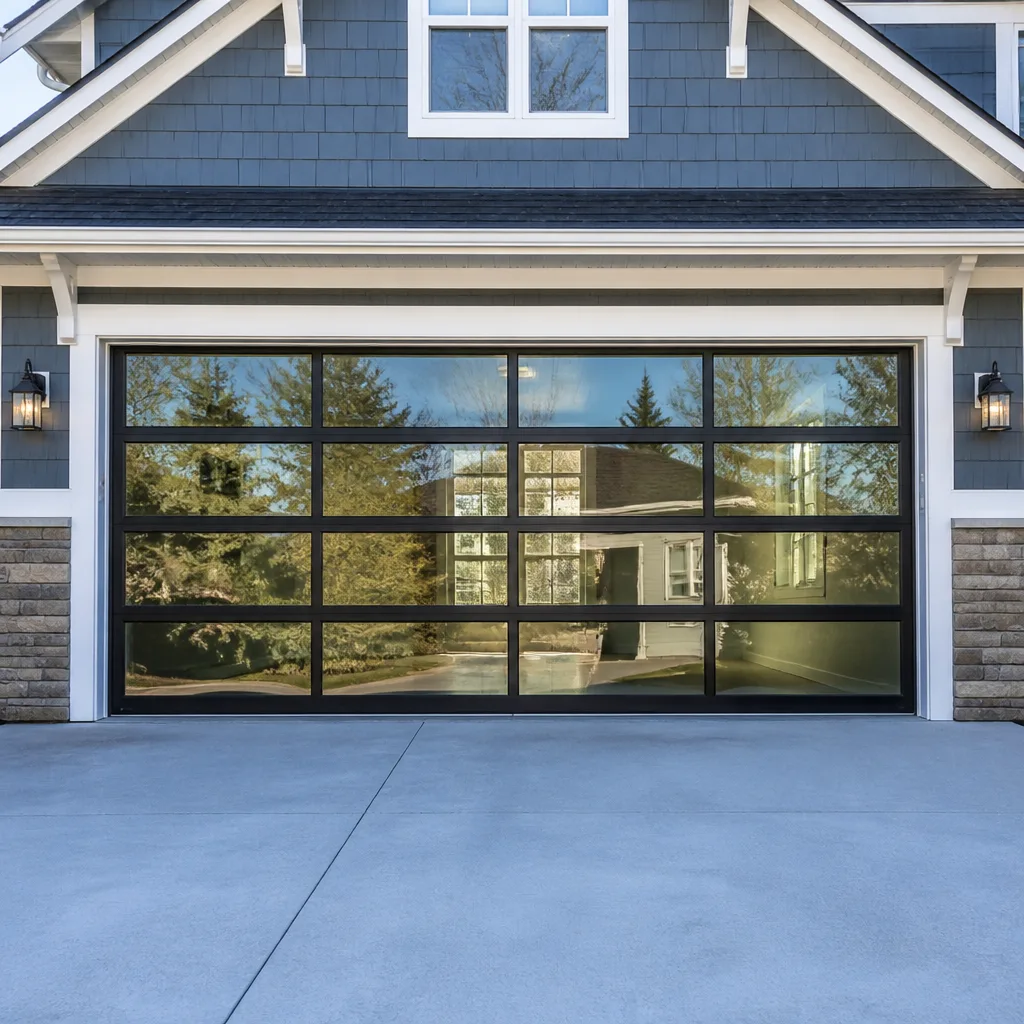 Full-view glass
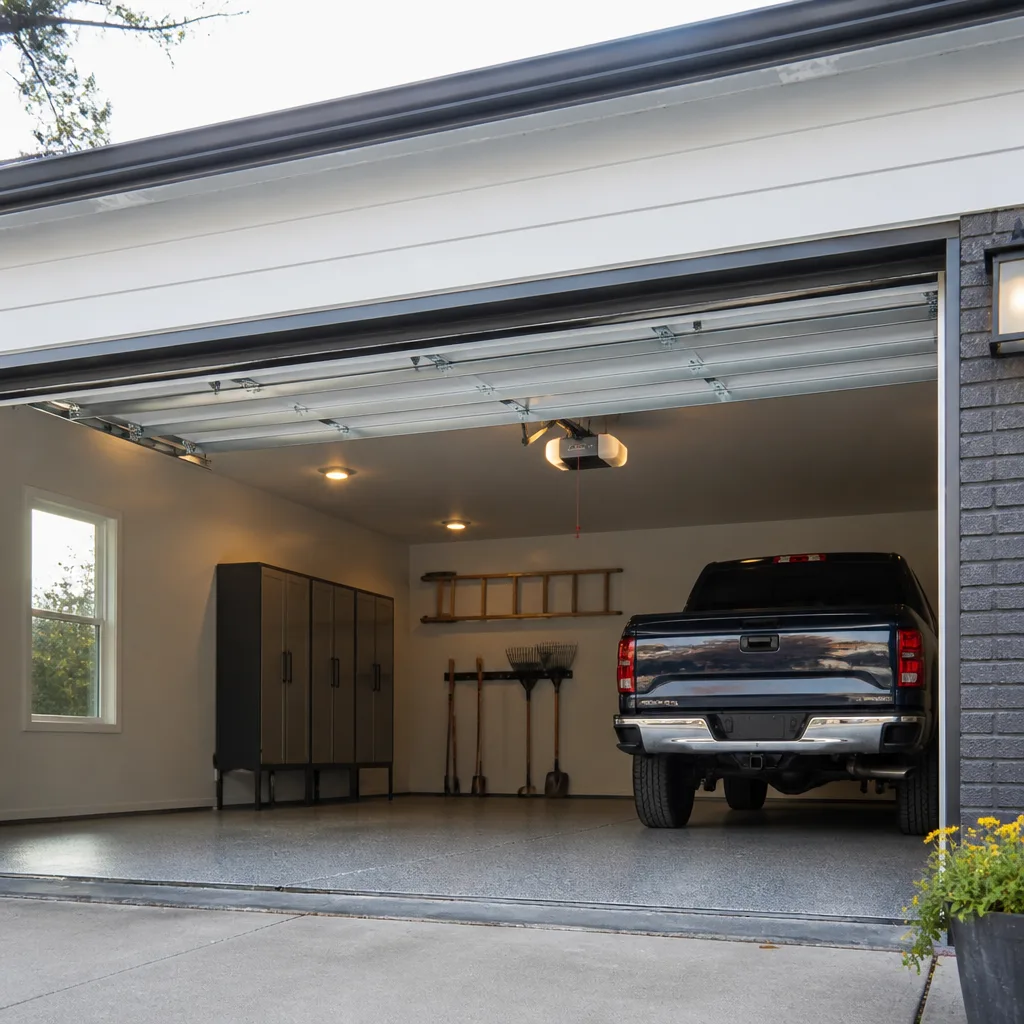 LiftMaster openers
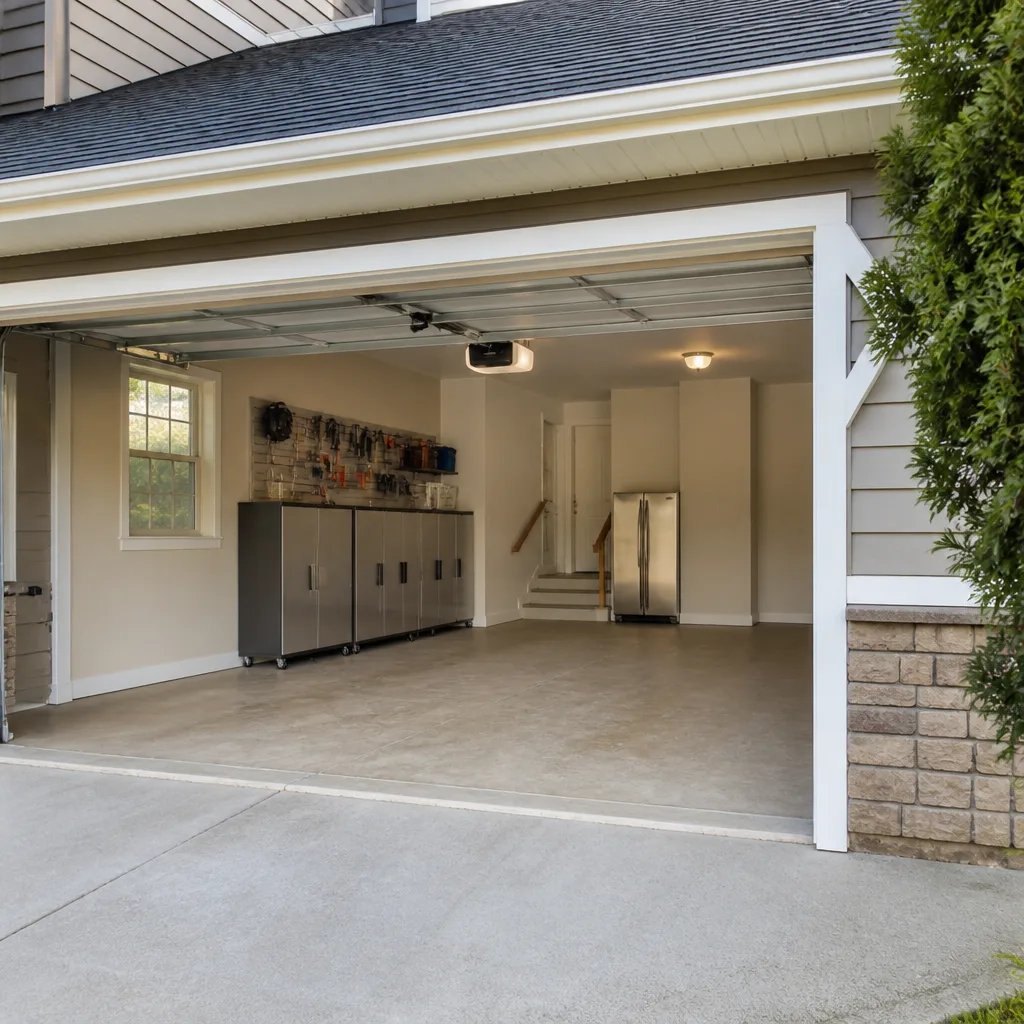 Chamberlain openers
Full 25-point door and opener safety check with every visit - springs, cables, rollers, tracks, and your LiftMaster or Chamberlain opener included
You get a price before we start. It does not change when the truck arrives.
Get your free estimateGarage Door Repair Maintenance Checklist for Spring Valley Homeowners
If your maintenance checklist mentions “check for rust” before it mentions “inspect lubricant evaporation,” it was written for Ohio, not Nevada. That matters more than most homeowners realize. Here in Spring Valley, heat is the primary enemy of garage door hardware, not moisture. Summer temperatures push past 100°F for weeks at a stretch, and that sustained heat does quiet, cumulative damage: it cooks the grease out of your rollers, dries out your bottom seal until it cracks, and puts strain on an opener motor that never gets a break. A checklist built for humid climates points you at the wrong problems. This guide is built for the desert. We’ll walk you through a task-by-task maintenance schedule matched to Spring Valley’s real seasons, which lubricants actually survive the heat, how to test your springs safely, and how to catch opener strain before it becomes a failure.
Quick Answer
In Spring Valley, the most important garage door maintenance tasks are checking lubricant levels every quarter (desert heat evaporates standard grease fast), inspecting the bottom seal and weatherstripping for dust-driven cracking monthly during dusty season, and running a force-sensitivity test on your opener every few months to catch motor strain early. A short quarterly routine takes about 15 minutes and prevents most of the wear-and-tear failures we see on doors around Spring Valley.
Styles & brands we work with
- Raised-panel steel
- Carriage house
- Modern flush
- Full-view glass
- LiftMaster openers
- Chamberlain openers
Table of Contents
- Why Heat, Not Moisture, Drives Garage Door Wear in Spring Valley
- The Quarterly Maintenance Checklist, Matched to Spring Valley’s Seasons
- Which Lubricants Actually Survive 100°F+ Nevada Summers
- How to Test Spring Tension Safely at Home (Without Tools)
- Bottom Seal and Weatherstripping: A Desert Dust Protocol
- The 5-Minute Opener Force-Sensitivity Test
- Brand-by-Brand Notes: Clopay, Amarr, Wayne Dalton, and Craftsman
- Common Mistakes to Avoid
Why Heat, Not Moisture, Drives Garage Door Wear in Spring Valley
Most garage door maintenance advice is written for climates with real winters and humid summers. In those places, rust and freeze-thaw cycles are the big threats. Spring Valley is the opposite. Our winters are mild, our air is dry, and our summers are long and hot. That flips the priority list. The parts that fail first here aren’t corroded; they’re dried out.
Here’s what the heat actually does to a door:
- It thins and evaporates lubricant. Standard white lithium grease and light oils break down faster when a garage regularly sits above 100°F. Once the film is gone, metal rollers grind against the track and hinges wear at the pin.
- It hardens rubber seals. A bottom seal that would last years in a cool climate can crack and lose its flexibility much sooner when it bakes on a hot concrete slab.
- It stresses the opener motor. A hot motor works harder, and any added friction from dry rollers or a stiff door compounds that strain.
- It warps and shifts. Wood and some composite panels can expand and shift in sustained heat, which can throw a panel slightly out of alignment over time.
None of this happens overnight. It’s the slow, quiet kind of wear that builds until a door that used to glide starts to groan, or an opener that used to lift smoothly starts to struggle. The whole point of a Spring Valley maintenance routine is to catch that wear while it’s still cheap to fix. In our experience, a door that gets a genuine quarterly look-over lasts noticeably longer between repairs than one that only gets attention when something breaks.
The Quarterly Maintenance Checklist, Matched to Spring Valley’s Seasons
Generic checklists tell you to “service in spring and fall.” That’s built for places with a hard freeze. Spring Valley’s seasons are different: a hot, dry summer, a mild winter, and a windy spring that kicks up dust. The checklist below is organized around what actually stresses a door in each season, so the tasks line up with when they matter.
Spring (March-May): Dust and Wind Season
- Wipe down the tracks with a damp cloth to clear the grit that wind-blown dust leaves behind. Don’t use solvent; just lift the dust.
- Inspect the bottom seal for grit packed into the groove and any cracking from the previous summer.
- Check hinges and rollers for looseness after the windy months.
- Test the safety reverse (more on this below) before summer heat arrives.
Summer (June-September): Peak Heat
- Re-lubricate rollers, hinges, and the torsion spring with a heat-rated product. This is the single most important summer task in Spring Valley.
- Run the force-sensitivity test on the opener to catch any added strain from dry hardware.
- Look for panel warping or gaps where the door meets the frame.
- Check the weatherstripping around the frame for shrinkage and gaps.
Fall (October-November): Pre-Winter Check
- Balance test: disconnect the opener and lift the door halfway by hand. It should stay put. If it drops or rises on its own, the springs need attention.
- Tighten all bolts and lag screws on hinges, brackets, and the track. Vibration loosens hardware over a year.
- Inspect the bottom seal again before the cooler months set in.
Winter (December-February): Light Duty
- Test the safety reverse and force sensitivity.
- Clear the tracks of any debris and confirm the door opens and closes smoothly.
- Listen for new squeaks or grinding. Cooler air can make a dry hinge noisier.
That’s four short sessions across the year, roughly 15 minutes each. When something on this list turns up a problem you can’t handle safely, that’s the moment to bring in a specialist rather than push a failing part further. Our garage door repair team handles exactly this kind of wear-and-tear diagnosis every day around Spring Valley.
Which Lubricants Actually Survive 100°F+ Nevada Summers
Here’s where most Spring Valley homeowners go wrong: they grab a can of white lithium grease because every generic checklist recommends it, and within a few hot weeks it has thinned, dripped off, and left the rollers dry again. White lithium grease is fine in cool climates. In a garage that sits north of 100°F for weeks, it loses body and stops protecting. What you want is a lubricant rated for high temperatures that stays put instead of running off.
What to Use
- Silicone-based spray lubricant for the torsion spring and hinges. It’s heat-stable and won’t attract dust the way sticky grease does, which matters in a dusty valley.
- White lithium grease in a high-temp formulation for bearings and rollers, if the label states a high working temperature. Read the can; don’t assume.
- Dry silicone or a dedicated track lubricant for the tracks themselves. Never use wet grease on the tracks, because it collects grit and turns into an abrasive paste.
What to Avoid in Spring Valley
- Standard white lithium grease that thins in heat. It’s the default recommendation online and the wrong one here.
- WD-40 as a lubricant. It’s a great cleaner and water displacer, but it evaporates and doesn’t leave lasting protection. It can actually strip the good lubricant off.
- Cooking spray or household oils. They gum up and attract dust.
How to Apply It
- Wipe the rollers, hinges, and spring clean and dry first. Lubricant over grit just locks the grit in.
- Apply sparingly. A light, even film is all you need; excess drips onto the garage floor and does no good.
- Work the door up and down a couple of times to spread it along the tracks and hinges.
- Re-check in a few weeks. If the metal already feels dry, your product isn’t holding up and you need a higher-temperature formula.
The rule of thumb: in Spring Valley you check lubricant more often and you buy a better product, because the heat is going to eat through a cheap one faster than you expect. If you’d rather not guess which product suits your specific door, a technician can tell you what your hardware needs.
How to Test Spring Tension Safely at Home (Without Tools)
Before anything else on this section, the safety point that matters most: torsion springs and the cables under tension are the most dangerous part of any garage door. A spring under load can release violently, and a snapped cable can whip. Do not adjust, wind, or unwind springs or cables yourself. The test below is an observation only, done with the door and the opener disengaged and your hands well away from the springs. If your reading suggests a problem, that’s a call-a-specialist moment, not a fix-it-yourself moment.
The Balance Test (No Tools)
- Close the door fully.
- Pull the opener’s manual release cord so the door is disconnected from the motor.
- Lift the door by hand to about halfway and let go.
- Watch what it does. A door in good balance stays roughly where you left it. If it drops on its own, the springs are too weak. If it rises by itself, they’re too strong.
- Reconnect the opener and run the door once to confirm normal operation.
The Exact Point Where You Stop and Call
If the door falls or rises on its own, don’t try to compensate by adjusting the opener’s force setting. That just masks a spring problem and strains the motor. Likewise, if you hear a loud bang from the garage and the door won’t lift, a spring has likely broken; leave the door closed and call a specialist. And if you ever see a visibly damaged cable, a stretched spring with an uneven coil gap, or a spring with a gap where a coil should be, keep clear of it.
We say this plainly because we’ve seen too many homeowners try to muscle a spring job and get hurt. Spring work on a Clopay or Wayne Dalton door is not a homeowner task, however confident you feel. This is the whole reason we tell people to test at home and stop at the reading. If your balance test points to spring trouble in Spring Valley, bring in a trained technician who has the tools and the winding bars for the job.
Bottom Seal and Weatherstripping: A Desert Dust Protocol
In a humid climate, the enemy of a bottom seal is rot. In Spring Valley, the two enemies are heat and dust. Heat hardens the rubber until it can’t flex; dust packs into the seal groove and against the frame, wearing the material and letting more dust inside your garage. A dried, cracked seal does more than let dust in; it lets in hot air and, if you keep anything climate-sensitive in the garage, makes the space harder to keep comfortable.
Inspection Protocol
- Close the door and look at the seal from inside. Gaps of daylight along the floor mean the seal isn’t making contact.
- Run a hand along the seal (door closed, hands clear of any moving parts). Feel for hardness, cracking, or flat spots. A seal should feel flexible, not brittle.
- Check the groove where the seal slides into the retainer. Packed dust and grit should be brushed out.
- Inspect the frame weatherstripping around the sides and top for shrinkage gaps, especially after a hot summer.
What to Do About It
- Clean the seal groove with a soft brush during dusty season. It’s the cheapest thing you can do to extend seal life.
- Replace a hardened or cracked bottom seal rather than trying to soften it. Once rubber has dried out, it doesn’t come back.
- Check the frame weatherstripping whenever you notice a draft or extra dust getting in, and replace it if it’s shrunk away from the frame.
This is the single biggest difference between a Spring Valley checklist and a generic one. Dust infiltration is a real, recurring concern here, and keeping the bottom seal and weatherstripping in good shape is the cheapest defense you have. A well-fitted Amarr or Clopay door with a healthy seal keeps the garage cleaner and the hardware cleaner too.
The 5-Minute Opener Force-Sensitivity Test
Your opener motor is one of the parts most vulnerable to Spring Valley heat, and it’s also the part where an early warning saves you the most money. A motor that’s straining because of dry hardware or a weakening spring will eventually fail or start reversing on its own. The good news is you can catch that strain in about five minutes with a couple of simple tests.
Test 1: The Safety Reverse
- Open the door fully with the opener.
- Place a small object at the center of the doorway where the door would meet it.
- Close the door with the remote.
- The door should reverse when it meets the object. If it doesn’t, or it presses down hard before reversing, the force setting is too high or the opener needs attention.
Test 2: The Force Setting
- Open the door, then close it and watch how it moves.
- A door that moves smoothly at a consistent pace is fine. A door that stutters, slows partway, or reverses mid-travel is telling you the opener or the door hardware is strained.
What the Results Mean
If the safety reverse fails, don’t rely on the door to close safely on its own until it’s fixed. If the force setting seems too high, first check for dry rollers, a stiff seal, or a spring issue, because those are often the real cause. Only adjust the opener force setting according to the manufacturer’s instructions, and if the adjustment doesn’t fix it, the opener itself may need repair.
If your LiftMaster, Genie, or Chamberlain opener is struggling, don’t ignore it. Our garage door opener repair specialists work with the actual manufacturer systems rather than applying a one-size-fits-all fix, and we can run this test for you if you’d rather not do it yourself. Catching motor strain early in a Spring Valley summer is far cheaper than replacing an opener after it fails.
Brand-by-Brand Notes: Clopay, Amarr, Wayne Dalton, and Craftsman
Maintenance is mostly the same regardless of brand, but a few details matter for the doors and openers most Spring Valley homeowners own. Here’s where brand-specific habits pay off.
Clopay
Clopay is one of the most common doors in the valley, and their steel panels and seals respond well to the heat-focused checklist above. Pay particular attention to the bottom seal on Clopay doors during dusty season, since the retainer design collects grit that speeds up wear if it isn’t brushed out.
Amarr
Amarr doors are well represented in Spring Valley, and the hardware on them benefits from regular hinge and roller lubrication. Their opener-compatibility means you’ll want to confirm the opener model before making any force adjustments; our technicians are familiar with Amarr doors and opener pairings before we arrive.
Wayne Dalton
Wayne Dalton doors and openers have their own control logic, and their force settings and safety reverse behave a little differently from some legacy systems. If a Wayne Dalton door is straining, the fix usually starts with the door hardware, not the opener itself. We’re familiar with these systems and can tell you which one needs the adjustment.
Craftsman
Craftsman openers are common and reliable, but older analog units can be harder to adjust correctly without the manual. On any Craftsman opener, run the safety reverse test first, and if the force setting needs changing, follow the model-specific procedure exactly. If it doesn’t respond, the unit may need repair or replacement.
What all four have in common: a technician who knows the brand before arriving diagnoses faster than one who has to figure it out on your driveway. That’s the whole reason Grafton Garage Door Repair focuses on doors and openers and nothing else. We cover LiftMaster, Chamberlain, Genie, Clopay, Amarr, Wayne Dalton, Craftsman, and Raynor, so nearly every door or opener a Spring Valley homeowner owns is something we work with regularly.
If you’d like a sense of the area we work in, our Spring Valley page covers the neighborhoods we serve.
Common Mistakes to Avoid
- Using white lithium grease because a generic checklist said to. In Spring Valley heat it thins and runs off. Buy a high-temperature product instead. Using the wrong lubricant is worse than using none, because it gives you false confidence.
- Skipping the bottom seal check during dusty season. Dust packs into the seal and wears it down quietly. A quick monthly brush-out in spring and summer extends the seal’s life considerably.
- Adjusting the opener force to hide a door problem. If the door is heavy because of a spring or dry hardware, cranking up the opener just covers up the real issue and strains the motor. Fix the door, not the symptom.
- Testing spring balance with the opener still engaged. Always disconnect the opener first or the reading means nothing, and you risk injury. And never wind or unwind a spring yourself, no matter how tempting.
- Ignoring a new noise. A door that groans or grinds after months of heat is telling you the lubricant is gone. Address it at the next quarter, not next year.
- Letting the safety reverse go untested. It’s the single most important safety feature on the door, and it’s a five-minute test. If it fails, don’t use the door until it’s fixed.
- Pushing a failing door further because it still opens. A weak spring or worn cable that still works is one step from failing. Fix it on your schedule, not in a surprise.
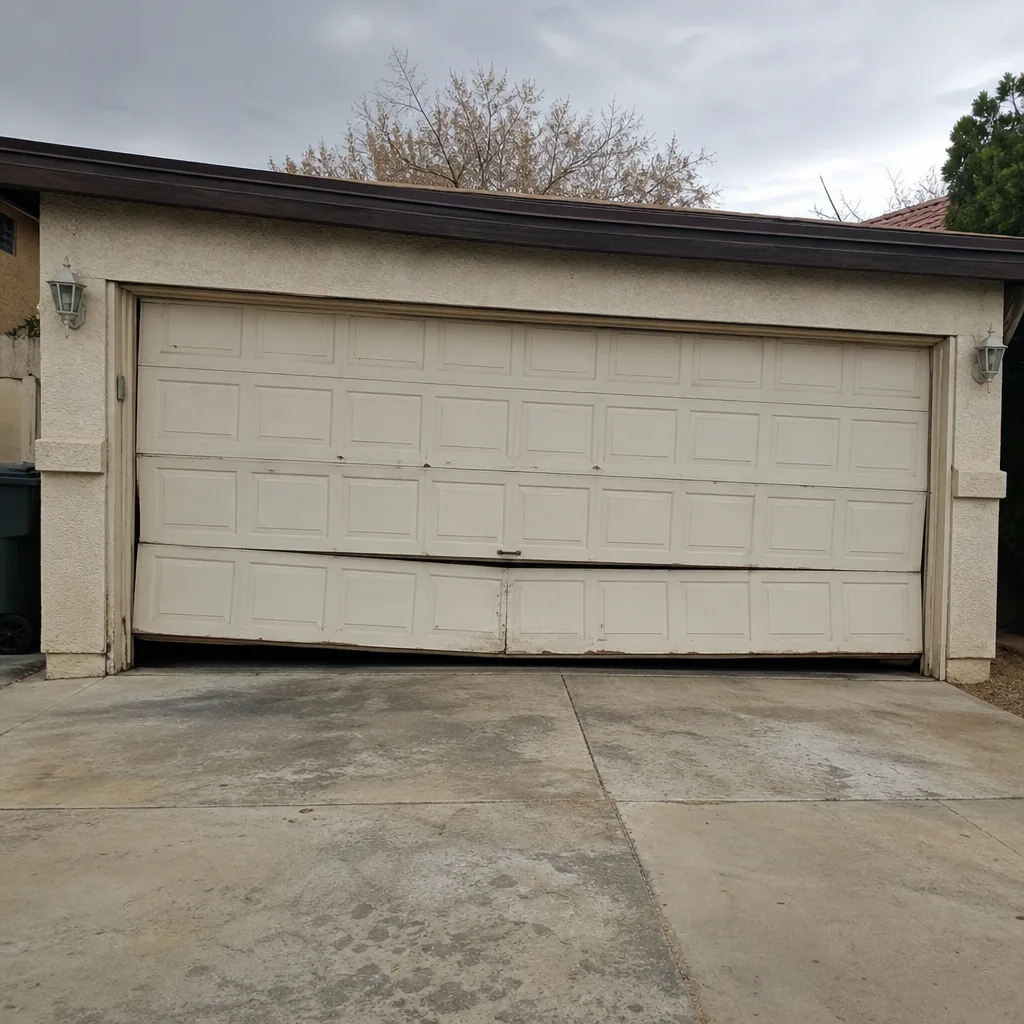
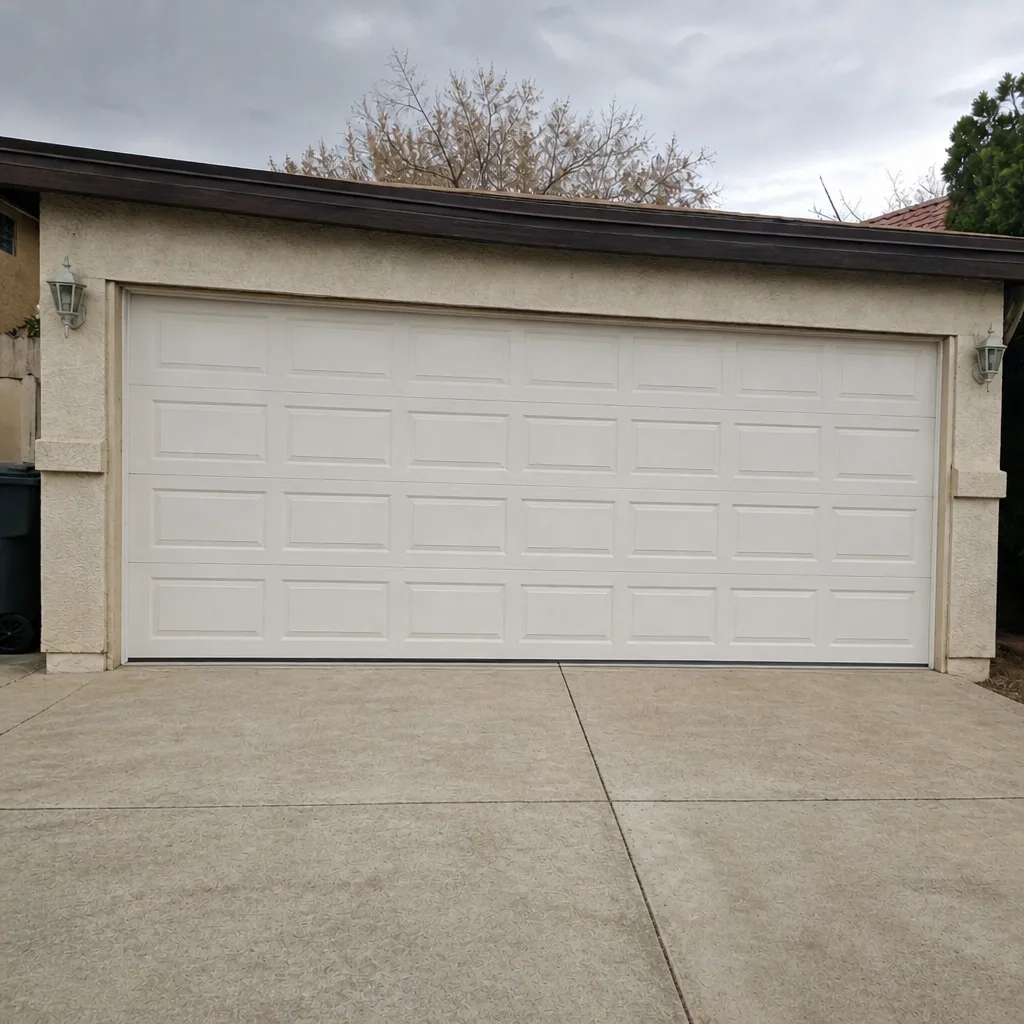
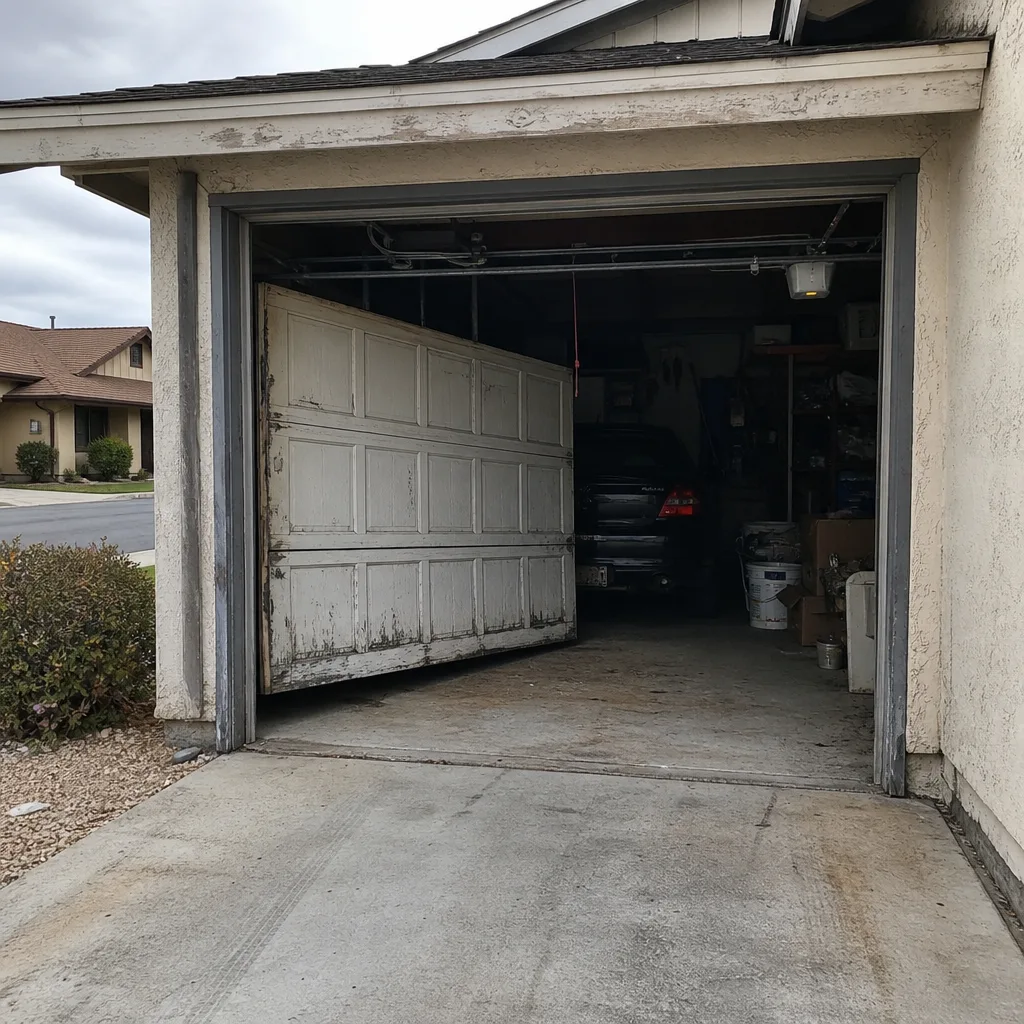
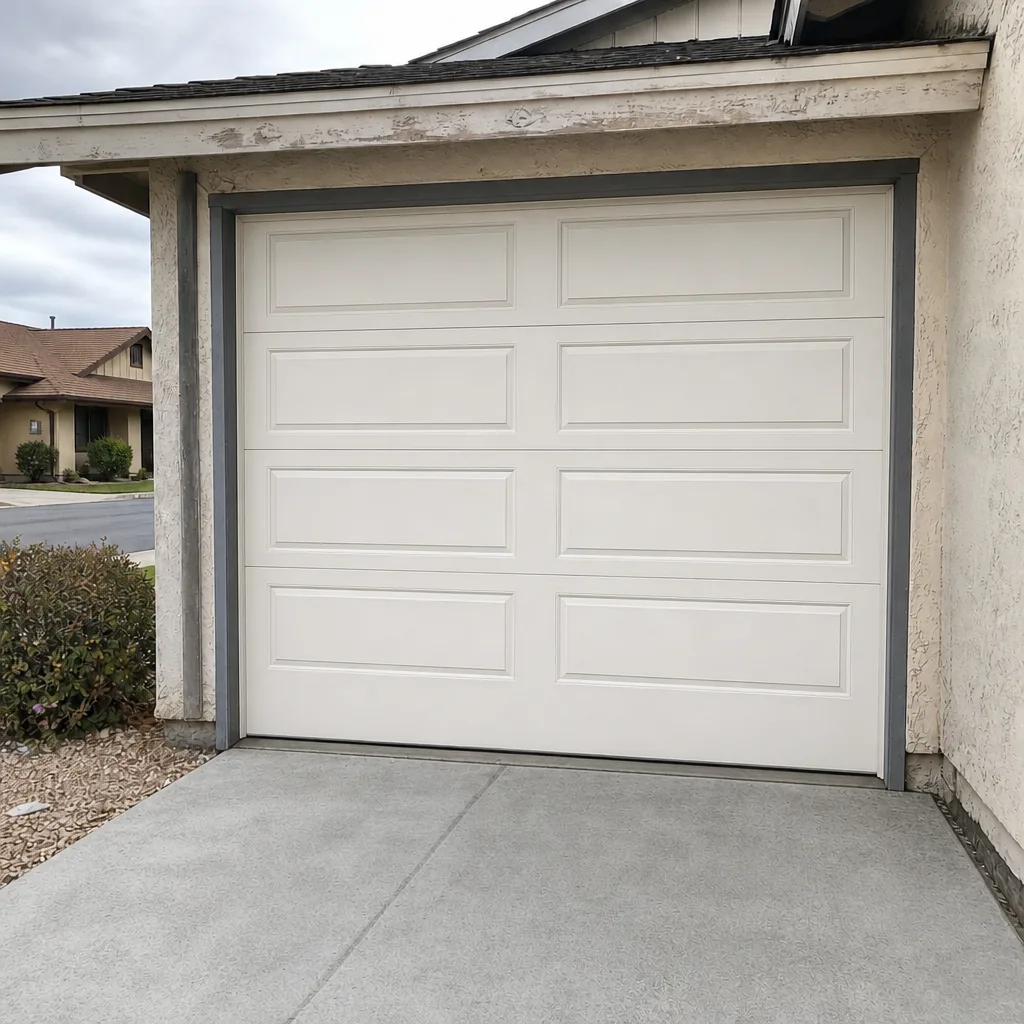
See the difference
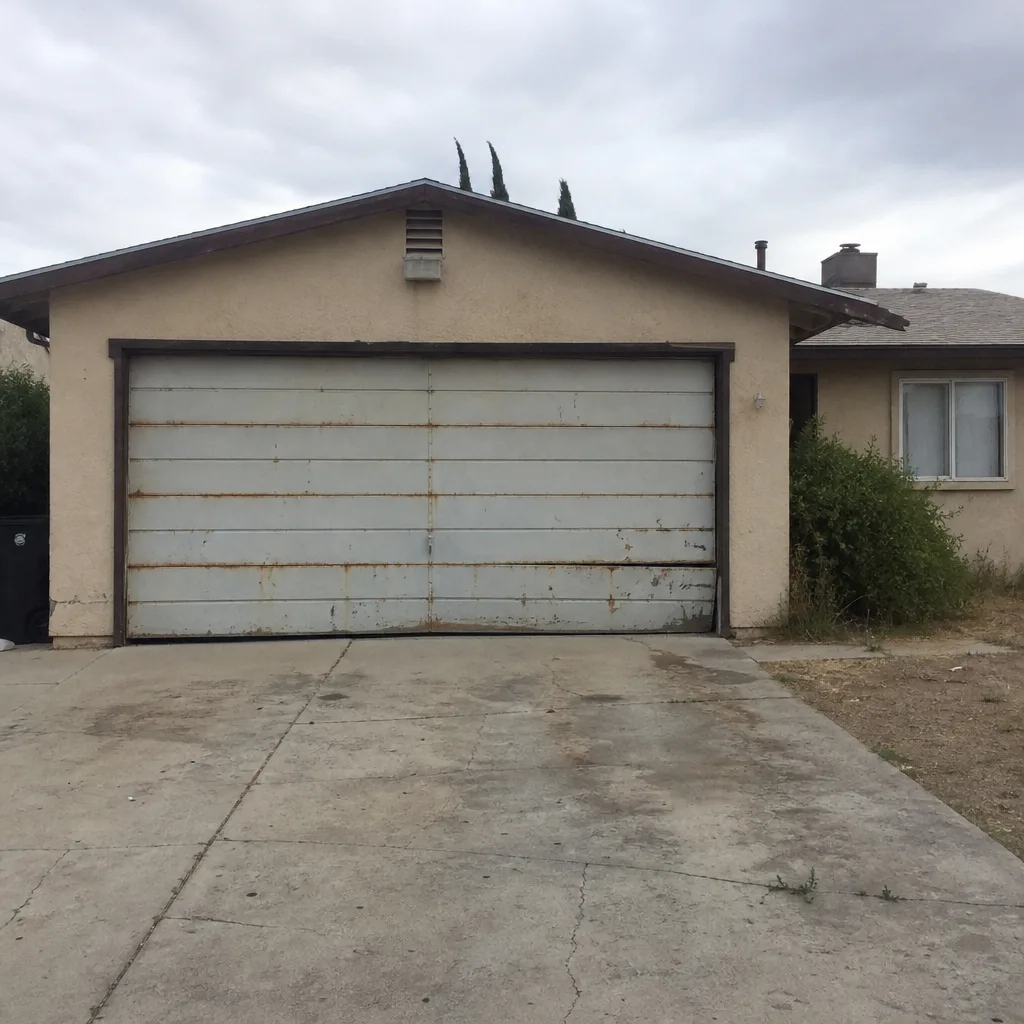 Before
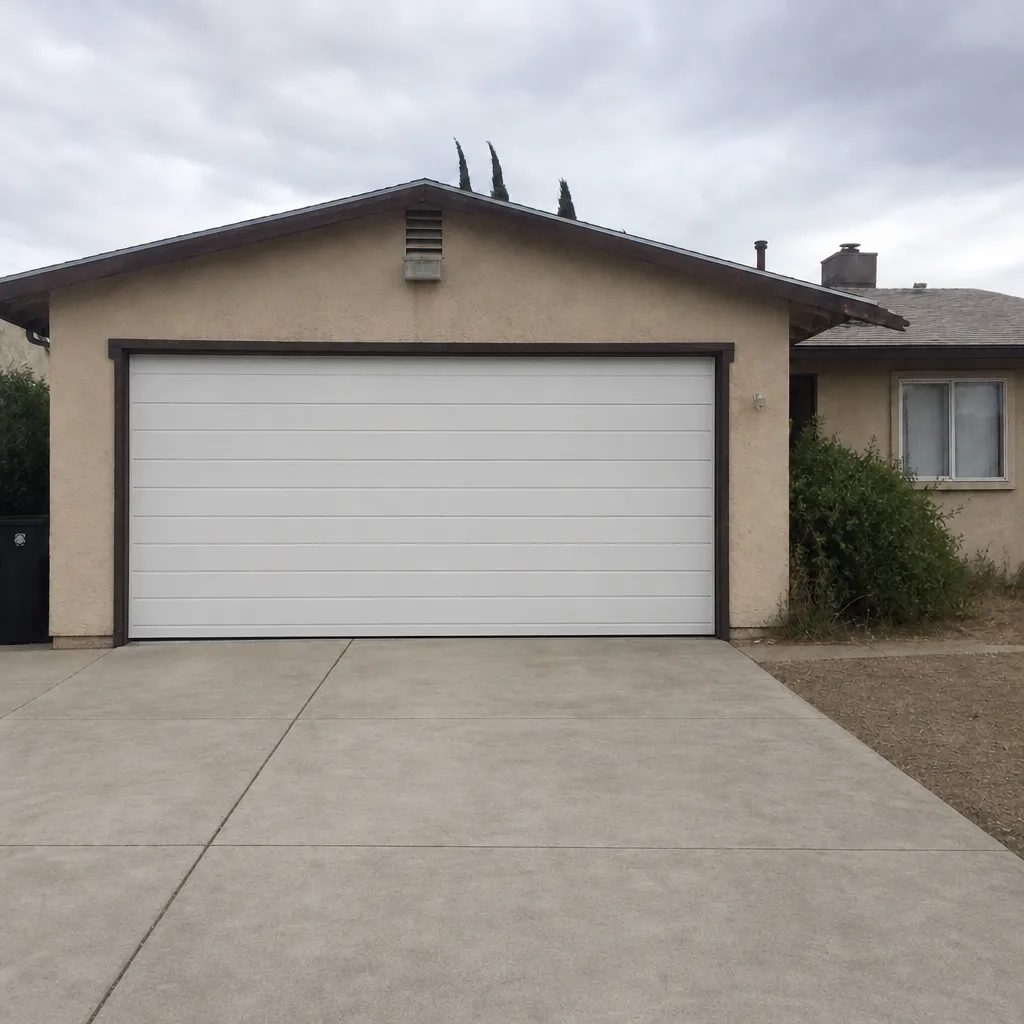 After
 Before
 After
 Before
 After
When to Call a Professional
Some maintenance is yours to do: wiping tracks, brushing out seals, checking lubricant, running the balance and force tests. Other things should always be a call. Bring in a trained technician if your balance test shows the door dropping or rising on its own, if you hear a bang and the door won’t lift (likely a broken spring), if you see a damaged cable or a spring with an uneven coil gap, if your opener reverses or strains despite clean hardware, or if your door has come off its track. Spring and cable work is genuinely dangerous and belongs with a specialist. Grafton Garage Door Repair offers free estimates in Spring Valley. Call (877) 373-8712.
Frequently Asked Questions
Every quarter, with a lighter check each month during dusty season. Spring Valley’s heat and wind mean lubricant and seals wear faster than in cooler climates, so a short check every few months catches problems early. The 15-minute quarterly routine in this guide is enough for most homes.
A silicone-based spray or a high-temperature lithium formulation, not standard white lithium grease. Standard grease thins out when a garage sits above 100°F and leaves rollers dry. Check that the label lists a high working temperature, and never use wet grease on the tracks.
You can run the balance test, which is an observation only and requires no tools: disconnect the opener, lift the door to halfway, and see if it stays. But never adjust, wind, or unwind the springs yourself. That work is dangerous and needs a trained professional who has the right tools.
Run the safety reverse and force tests in this guide. A door that reverses on its own, stutters, or slows partway is showing strain, and a door that won’t reverse when it meets an object has a force setting that’s too high. If dry hardware isn’t the cause, the opener may need repair.
Heat thins the lubricant on rollers and hinges, so metal grinds against metal and the door feels heavier. A dried-out bottom seal can also drag on the floor, and a weakening spring adds to the load. Re-lubricating with a heat-rated product usually fixes it. If it doesn’t, have a technician check the springs.
You can, if the retainer is a simple slide-in design and the door is fully closed. But if the seal has to be pried out of a damaged retainer, or the door has frame weatherstripping that’s shrunk, a technician can fit the replacement more reliably. A correct seal is what keeps Spring Valley’s dust out of your garage.
The Bottom Line
In Spring Valley, garage door maintenance is about heat and dust, not rust and moisture. Prioritize lubricant checks with a heat-rated product, bottom seal and weatherstripping inspections during dusty season, and a 5-minute opener force test every few months. Do the tasks you can safely do, and stop at spring work, cable work, and anything electrical. A quarterly routine of about 15 minutes keeps the door running smoothly and catches the quiet wear before it becomes a repair. For anything on the “call a professional” list, Grafton Garage Door Repair can take it from there.
If your checklist turns up a problem you’d rather not tackle yourself, or you’d just like a specialist to look the door over, let’s get you sorted. We work on garage doors, and only garage doors, so every part and test is door-specific. From a snapped spring or off-track panel to a complete new door and opener, one call covers it. From a Clopay panel to a Craftsman opener, we know the brand before we arrive, and the price is set by the written estimate before any work starts. Call (877) 373-8712 for a free estimate. We answer 24/7. Fast dispatch from 7am to 7pm, Sunday through Friday.
Written by the team at Grafton Garage Door Repair, serving Spring Valley since 2013.