
Last updated November 14, 2026
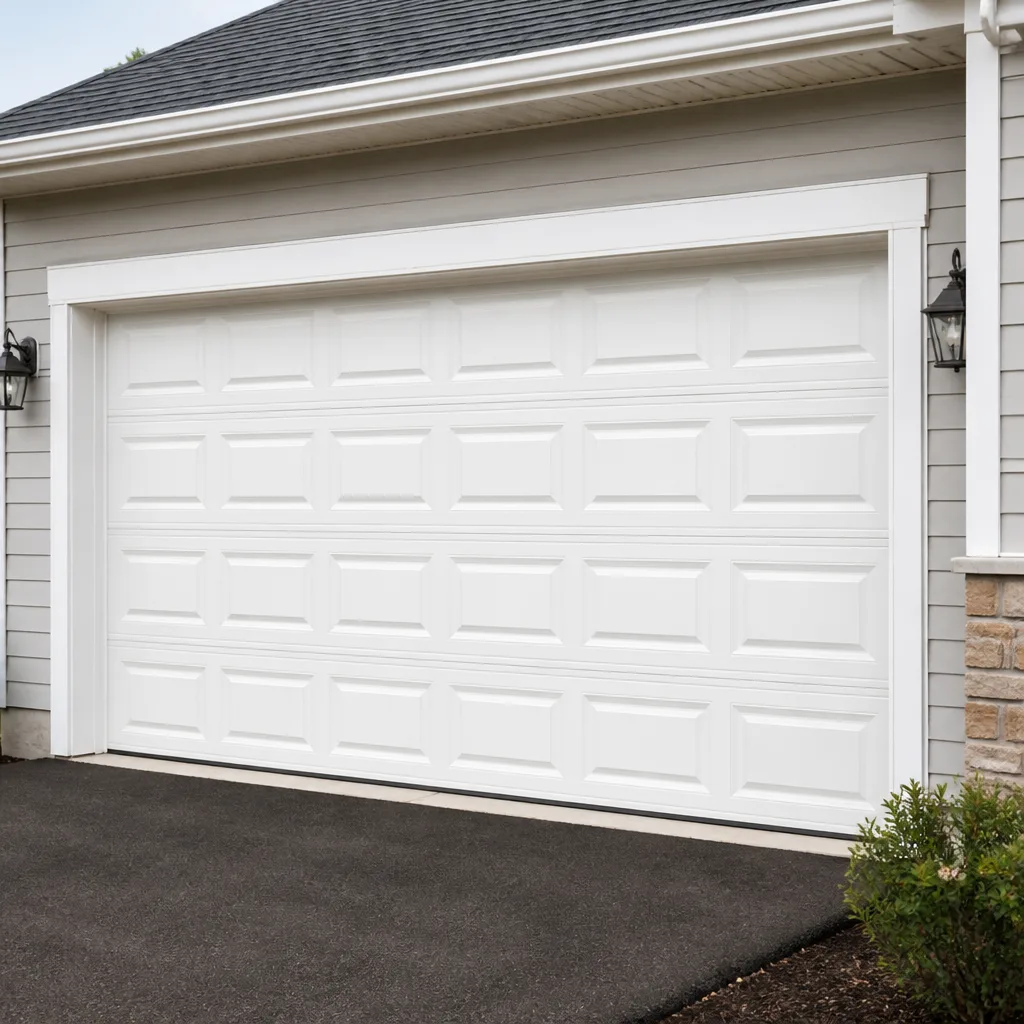 Raised-panel steel
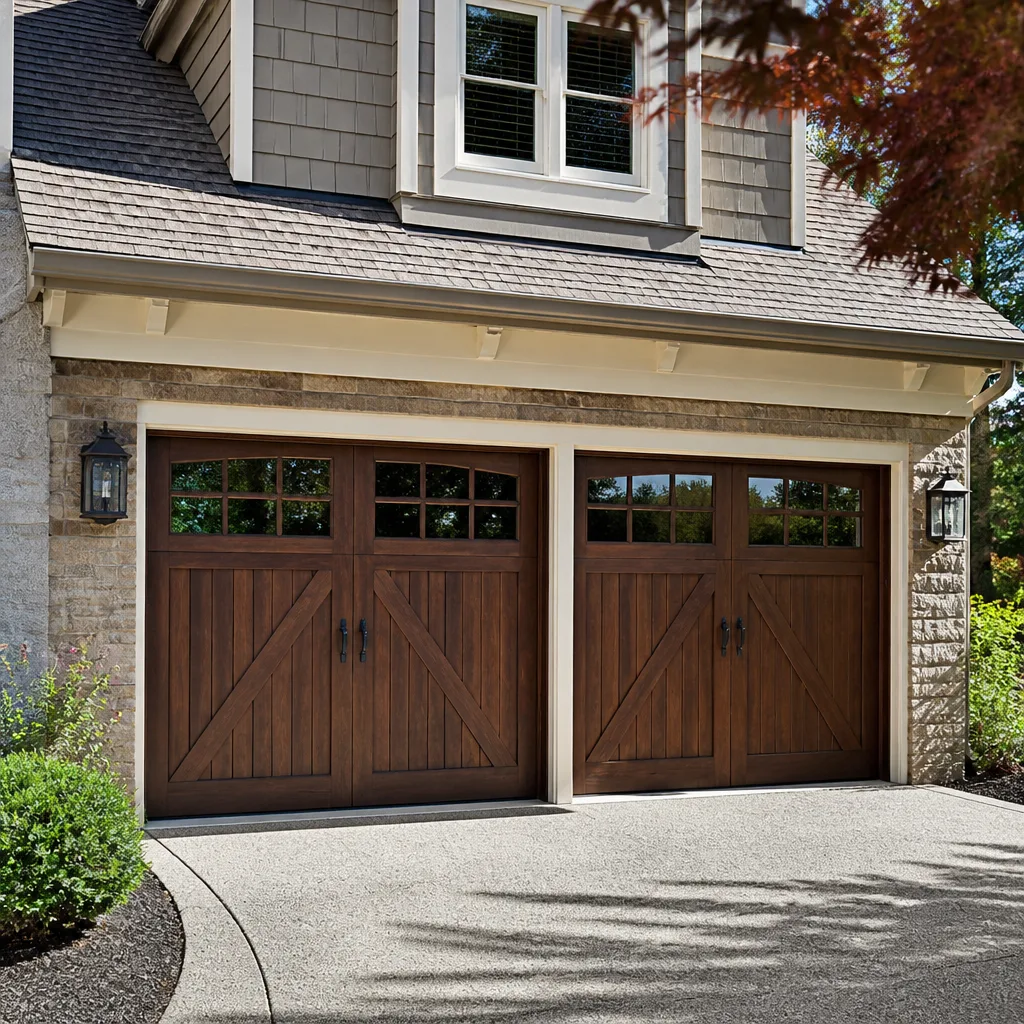 Carriage house
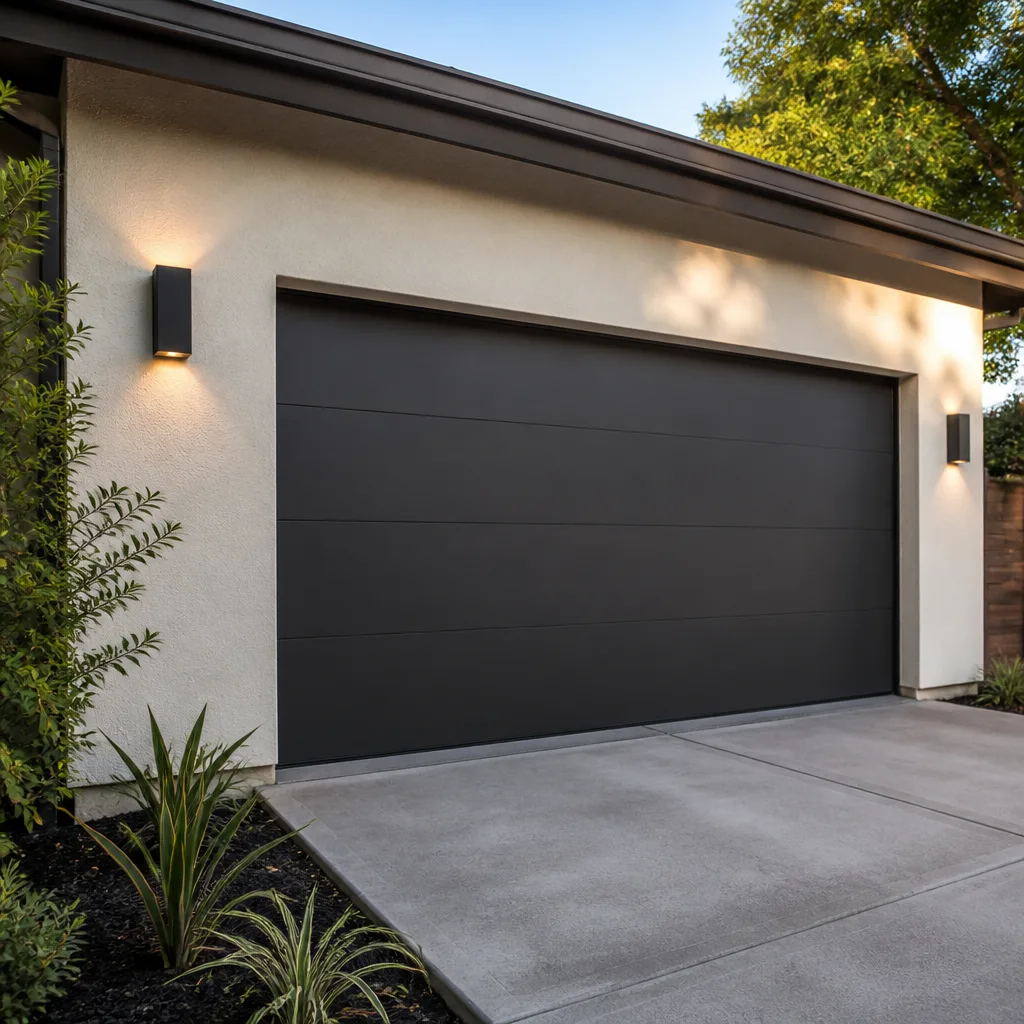 Modern flush
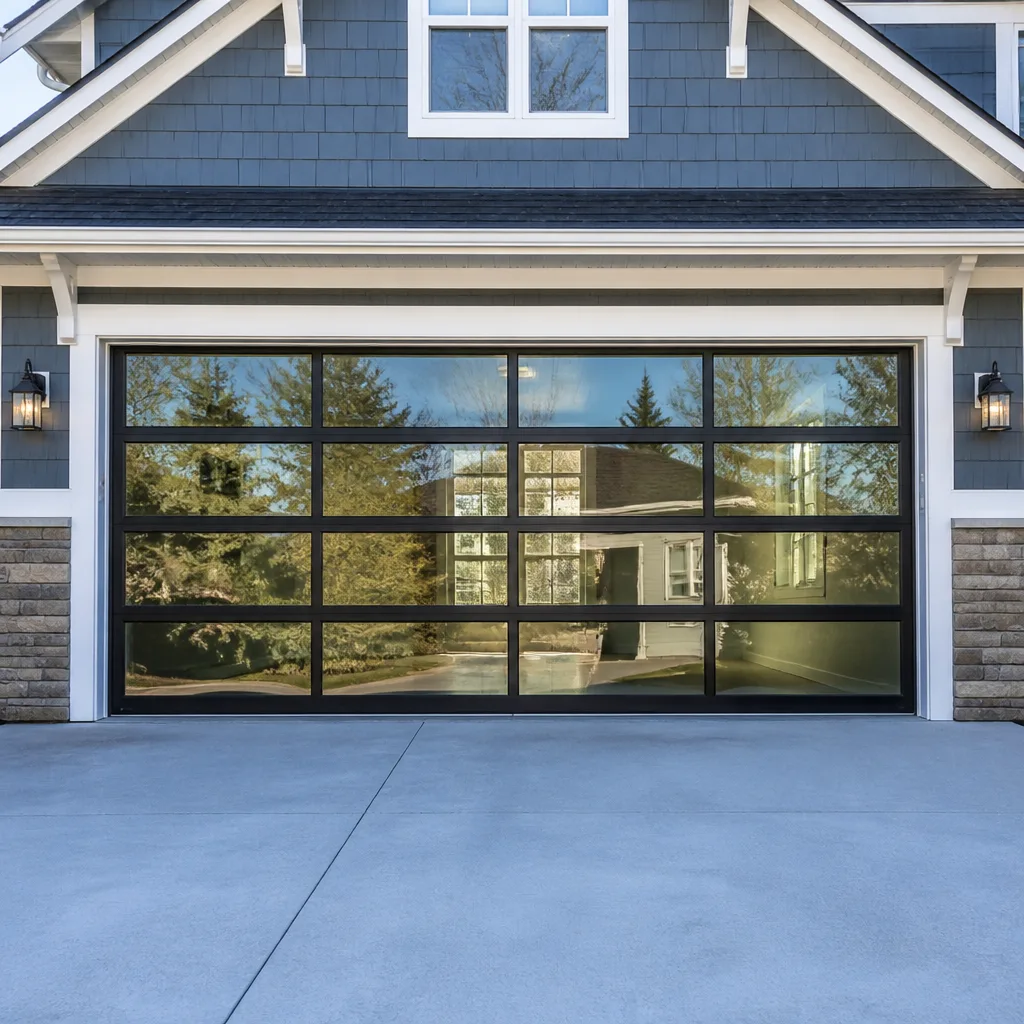 Full-view glass
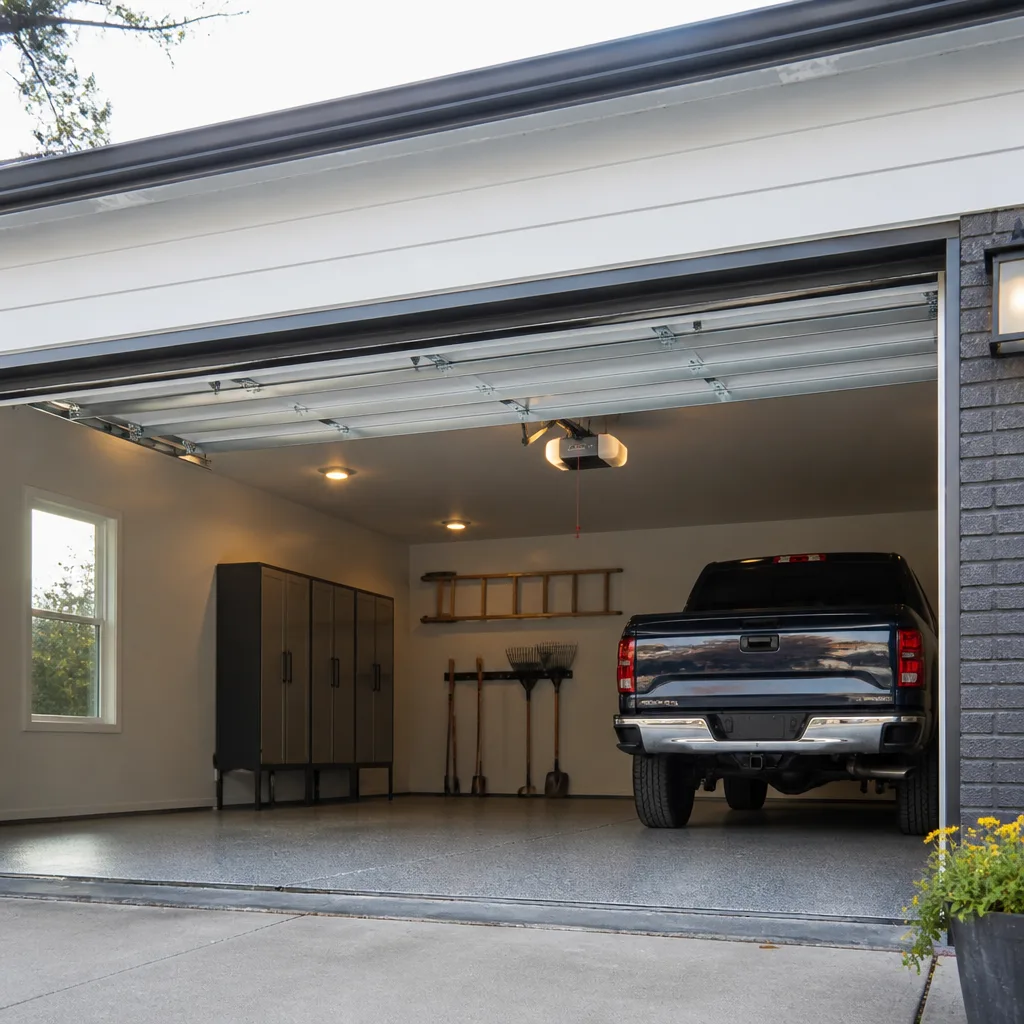 LiftMaster openers
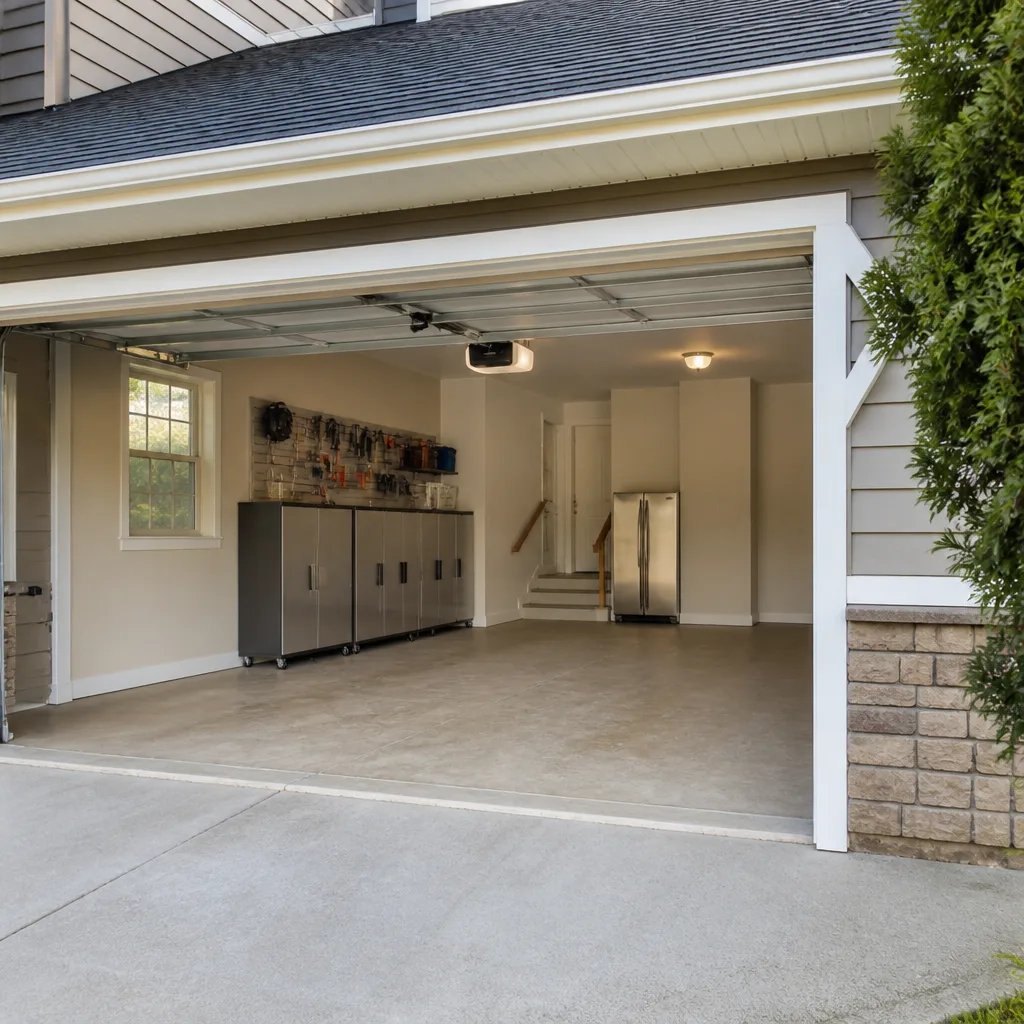 Chamberlain openers
Full 25-point door and opener safety check with every visit - springs, cables, rollers, tracks, and your LiftMaster or Chamberlain opener included
You get a price before we start. It does not change when the truck arrives.
Get your free estimateThe Complete Guide to Garage Doors in Spring Valley
Most garage door guides are written for a made-up average American house. Spring Valley isn’t average. Here, garages face summer heat that pushes past 110°F, master-planned communities enforce HOA color and style rules, and stucco tract homes built from the 1990s into the 2010s share a set of very specific weak points. That combination makes the national advice you’ll find online almost useless. This guide treats Spring Valley as its own operating environment. You’ll learn how HOA covenants shape what door you can even install, why insulation is a structural decision in this heat, which hardware survives desert UV, how dust and fine sand wear on sensors and seals, and what to do when a door fails. By the end you’ll know your door and have a clear next step.
Quick Answer
A garage door in Spring Valley has to handle extreme heat, intense UV, blowing dust, and HOA rules before it handles daily opening and closing. The right door is one that suits your community’s covenants, carries real insulation for an attached garage, and uses hardware graded for thermal cycling. When something breaks, a specialist who works on garage doors every day will diagnose it faster than a generalist, and the written estimate should always be agreed before any work begins. Call (877) 373-8712 for a free estimate.
Styles & brands we work with
- Raised-panel steel
- Carriage house
- Modern flush
- Full-view glass
- LiftMaster openers
- Chamberlain openers
Table of Contents
- Why Spring Valley’s Climate Changes Everything
- How HOA Covenants Shape Your Door Choice
- Insulation R-Value as a Structural Decision
- Hardware Grades That Survive Desert UV and Heat
- Dust, Sand, and Your Opener Sensors and Seals
- Common Door Types on Spring Valley Tract Homes
- Springs, Cables, and Safety
- What Garage Door Work Typically Costs
- A Seasonal Maintenance Routine That Fits This Climate
Why Spring Valley’s Climate Changes Everything
A garage door here lives a harder life than one in a mild climate. Spring Valley sits in the Las Vegas Valley, where summer air temperatures routinely reach 110°F and a west- or south-facing garage door panel can get far hotter in direct sun. That heat does two things. It expands metal components during the day and contracts them at night, and the daily thermal cycling slowly loosens fasteners, fatigues springs, and stresses the seals that keep dust out.
The second force is UV. Sunlight in the desert is relentless, and it breaks down anything rubber, plastic, or cheaply painted. Bottom seals crack and lose their grip. Plastic opener gears get brittle. Painted steel fades or chalks on the sun-facing side while the shaded side looks untouched. Wood doors, if any remain in a neighborhood, need far more attention here than in a wet climate.
The third is the dry air itself. Low humidity means wood dries and shrinks, and it means the fine dust that settles on everything gets pulled into moving parts. Track rollers, hinges, and sensor lenses all collect grit. In our experience, a door that would run for years in a humid city needs its hardware checked sooner in Spring Valley.
What this means for you: plan on inspecting seals, rollers, and springs more often than a national checklist suggests. The desert doesn’t forgive neglected hardware, and it punishes the cheap grades especially fast. If your door is already struggling, our garage door repair team can tell you what’s worn and what still has life in it.
How HOA Covenants Shape Your Door Choice
Before you shop for a door in Spring Valley, read your HOA covenants. Many of the master-planned communities here govern the color, style, panel design, and even the material of a replacement door. Buying first and asking later is the most common and most expensive mistake we see. A door that doesn’t match the approved palette can trigger a violation, and re-doing the job means paying twice.
HOAs in this area typically care about a few things:
- Color and finish. Approved palettes often run to earth tones and specific whites, and a “close enough” custom color rarely passes.
- Panel style. Raised-panel versus flush versus carriage-house styles may be restricted to keep a street consistent.
- Window placement. Some communities limit or require window rows on the top section.
- Materials. Steel is the norm; wood and some composite looks may need approval.
Here’s the practical sequence to follow:
- Get your community’s current architectural guidelines and approved color list before you call anyone.
- Confirm the exact door style and color the covenant allows, in writing if possible.
- Have your contractor supply the manufacturer’s color and model details for the approval form.
- Submit for HOA approval and wait for it. Then order the door.
- Keep the approval on file in case of a later question.
We work with brands like Amarr that publish detailed color and model information, which makes the HOA paperwork straightforward. A focused garage door company knows how to match the door to what your community actually allows, so the approval and the install don’t fight each other.
Insulation R-Value as a Structural Decision
In Spring Valley, insulation isn’t a luxury add-on. An attached garage shares at least one wall with your living space, and in 110°F heat an uninsulated door turns that garage into a bake oven. The heat soaks through the shared wall, the garage stays hot long after sunset, and anything stored there – paint, tools, seasonal items – cooks. Insulation is about how the house behaves as a system, not just whether the garage feels nicer.
How insulation works on a garage door comes down to the panel construction. A single-layer steel door is essentially a sheet of metal with nothing behind it. A two-layer door adds a polystyrene core. A three-layer or sandwich door puts insulation between two steel skins, and that construction resists both heat transfer and the panel flex that heat causes. The thicker and denser the core, the better it holds up, and the quieter and more rigid the door feels day to day.
What to weigh:
- Attached garage used daily as an entry. This is where insulation earns its keep. A well-insulated door keeps the shared wall cooler and the garage more usable.
- Detached or storage-only garage. Insulation matters less if you don’t pass through it or store heat-sensitive things there.
- Sun-facing door. A west- or south-facing door benefits most, because it absorbs the brunt of the afternoon heat.
Ask for the door’s stated R-value and compare like for like between models. If you’re unsure which construction suits your home, we’ll walk through the options and give you an honest recommendation – repair what you have, or replace with a better-insulated door. Brand-matched service matters here, since panel construction and R-value vary by manufacturer.
Hardware Grades That Survive Desert UV and Heat
Not all garage door hardware is built for the desert. The parts that fail within a couple of summers are usually the cheapest grades: thin-gauge hinges, nylon rollers that get brittle, plastic gears in older openers, and seals made from low-grade rubber. The parts that last are heavier, UV-stable, and chosen for thermal cycling. This is where a specialist’s parts knowledge pays off, because a generalist often installs whatever is on the truck.
What holds up and what doesn’t:
- Rollers. Sealed steel or good nylon rollers outlast cheap plastic ones that crack in the heat.
- Hinges and brackets. Heavier-gauge steel resists the loosening that daily expansion and contraction causes.
- Bottom seals. A UV-stable seal keeps its shape and grip; a cheap one dries, cracks, and lets dust in.
- Opener gears and belts. Metal or reinforced gears and quality belts handle heat better than brittle plastic.
- Paint and finish. Factory finishes resist chalking far better than a field-applied coat.
- Springs. Correctly sized, quality springs last longer under heavy cycling than undersized ones.
We’ve seen plenty of doors where a cheap roller or hinge was the whole problem. Swapping in the right grade costs little and saves a repeat visit. Because we work on garage doors – and only garage doors – the parts we carry are door-specific, and we know which ones suit a given model instead of guessing. Our garage door opener repair work follows the same principle: fix the actual cause, not a symptom.
Dust, Sand, and Your Opener Sensors and Seals
Fine desert dust gets into everything, and a garage door has plenty of places for it to collect. The two spots that cause the most trouble are the safety sensors near the floor and the bottom seal. When dust coats the sensor lens, the opener thinks something is in the way and refuses to close the door, or closes it partway and reverses. When the bottom seal wears or hardens, dust and sand blow in under the door every time the wind picks up.
What to check, not how to rewire it:
- Sensor lenses. Wipe them clean and make sure nothing – a stored box, a broom – blocks the beam. A door that closes partway and reverses is often just a dirty or misaligned sensor.
- Sensor alignment. The two sensors should face each other squarely. After a heat cycle loosens a bracket, they can drift out of line.
- Bottom seal condition. Run a hand along the seal. If it’s cracked, flattened, or pulling away, it’s letting dust in and needs replacing with a UV-stable seal.
- Track and rollers. Grit in the tracks makes the door drag; a dry lubricant keeps things moving without attracting more dust.
A door that reverses for no visible reason is a safety feature doing its job. Don’t tape over the sensors or bypass them – that removes the protection that stops the door on a person or pet. If cleaning and aligning don’t solve it, the sensor or the opener logic board may be failing, and that’s a job for someone who knows the model. We service LiftMaster, Chamberlain, Genie, and Craftsman openers, among others, and can diagnose both the mechanical and the sensor side.
Common Door Types on Spring Valley Tract Homes
Most of Spring Valley’s housing was built from the 1990s into the 2010s, and the tract homes of that era share a recognizable set of garage doors. Knowing which type you have tells you where to look when something goes wrong.
- Raised-panel steel doors. The most common type here. Durable and affordable, but the panel seams and hinges are where wear shows first, and the sun-facing side fades over time.
- Carriage-house style doors. Popular in the master-planned communities for their look. The decorative hardware and overlays can loosen with thermal cycling, and the style is often HOA-mandated.
- Two-layer and three-layer insulated steel. Common on newer builds and upgrades. The weak point is usually the seal and the hardware, not the panel.
- Older single-layer steel. Found on the earliest 1990s homes. Light and prone to denting and panel flex in heat.
The known weak points on these homes tend to be consistent: springs that were sized for the original door and have cycled thousands of times, bottom seals that have dried out, and openers from the original build that predate smart connectivity. If your door is from that era and has never had hardware replaced, it’s worth an inspection before a small issue becomes a stranded car. We work with Clopay, Wayne Dalton, and Raynor doors common to this housing stock, so we’re familiar with your model before we arrive.
Springs, Cables, and Safety
Springs and cables are the most dangerous parts of a garage door, and they’re the parts most likely to fail on an older Spring Valley door. A torsion spring stores enormous energy. When it breaks, it releases that energy suddenly, and the door can come down hard. Cables under tension can snap with serious force. This is not a component to inspect by hand or to replace yourself, no matter how many videos you’ve watched.
What you can safely do is recognize the warning signs and call a trained professional:
- A loud bang from the garage, followed by a door that won’t lift.
- A visible gap in a torsion spring above the door.
- A door that feels extremely heavy when you lift it by hand, or won’t stay open.
- Frayed or kinked cables along the sides.
- A door that lifts crooked or comes down unevenly.
If you see any of these, stop using the door and keep people clear of it. Don’t try to lift a door with a broken spring – it’s far heavier than it looks and can fall. A trained technician has the right tools, the right springs, and the knowledge to release tension safely. Because we do garage door work all day, spring and cable replacement is routine for us, and we’ll size the spring correctly for your door’s weight so it lasts. Call (877) 373-8712 and we’ll get you booked. We answer 24/7. Fast dispatch from 7am to 7pm, Sunday through Friday.
What Garage Door Work Typically Costs
Costs in Spring Valley follow the same general pattern as the rest of the Las Vegas Valley, and the final number depends on your door, the part, and the brand. We don’t quote over the phone without seeing the door, because a written estimate sets the price and we want it to be accurate. Here are typical estimated ranges so you can plan, not so you can be surprised. These are typical ranges, and the written estimate is the final word.
- Spring replacement (one spring): a typical range for a single torsion spring, with a matched pair usually replaced together at roughly twice that.
- Opener repair: varies by part, from a sensor or gear to a logic board, and by brand.
- New opener installation: depends on the model, whether it’s a smart/Wi-Fi unit, and the existing wiring.
- Bottom seal replacement: a modest job that pays off in dust control and heat retention.
- Roller and hinge replacement: priced by set, and worth doing before a cheap part fails.
- New door installation: the largest expense, driven by size, insulation, style, and HOA requirements.
Two things to insist on with any contractor in Spring Valley. First, the price is quoted and agreed before any work starts – an estimate you approve is the number you should expect, and the written estimate sets the final price. Second, the estimate itself should be free. Ours is. We’ll tell you what’s worn, what can wait, and whether repair or replacement makes more sense for your door. Call (877) 373-8712 for a free estimate. We answer 24/7. Fast dispatch from 7am to 7pm, Sunday through Friday.
A Seasonal Maintenance Routine That Fits This Climate
A little upkeep goes a long way in the desert. You don’t need to touch springs or cables – leave those to a professional. What you can do safely, in a few minutes, keeps the door running smoothly and catches problems early.
Follow this short checklist a few times a year, and after any big dust storm:
- Wipe the safety sensors with a soft cloth and confirm nothing blocks the beam.
- Look at the bottom seal for cracks or gaps and note any daylight showing under the door.
- Listen to the door as it moves. Grinding, squealing, or a door that shudders means something needs attention.
- Check the tracks for grit and debris, and clear it without forcing anything.
- Test the auto-reverse by placing a small object in the door’s path and confirming it reverses.
- Note the sun-facing side for fading or chalking, which tells you the finish is aging.
- Look, don’t touch, at springs and cables. If anything looks wrong, stop and call.
The best time to book an inspection is before the worst heat, so small issues are caught before they strand you. Spring Valley homeowners who keep up with seals, sensors, and lubrication tend to avoid the mid-summer failures that catch everyone else. If you’d rather have a trained set of eyes on it, we’re happy to take a look and give you a straight answer on what needs doing now and what can wait.
Common Mistakes to Avoid
- Buying a door before checking HOA rules. A door that doesn’t match the approved style or color can mean doing the job twice. Read the covenants first, then shop.
- Skipping insulation on an attached garage. In 110°F heat, an uninsulated door bakes the shared wall. Treat insulation as a structural choice, not a luxury.
- Ignoring the bottom seal. A dried, cracked seal lets desert dust and sand blow in under the door and costs you comfort. Replace it with a UV-stable seal.
- Taping over safety sensors. Bypassing a sensor that’s “acting up” removes the protection that stops the door on a person or pet. Clean and align it instead.
- Buying the cheapest hardware. Thin hinges, nylon rollers, and low-grade seals fail fast in desert heat. The right grade costs little more and lasts.
- Attempting spring or cable work yourself. These parts store enormous energy and can cause serious injury. Always call a trained professional.
- Hiring a generalist for a brand-specific problem. A specialist who knows your opener model diagnoses the actual cause faster than someone guessing.
See the difference
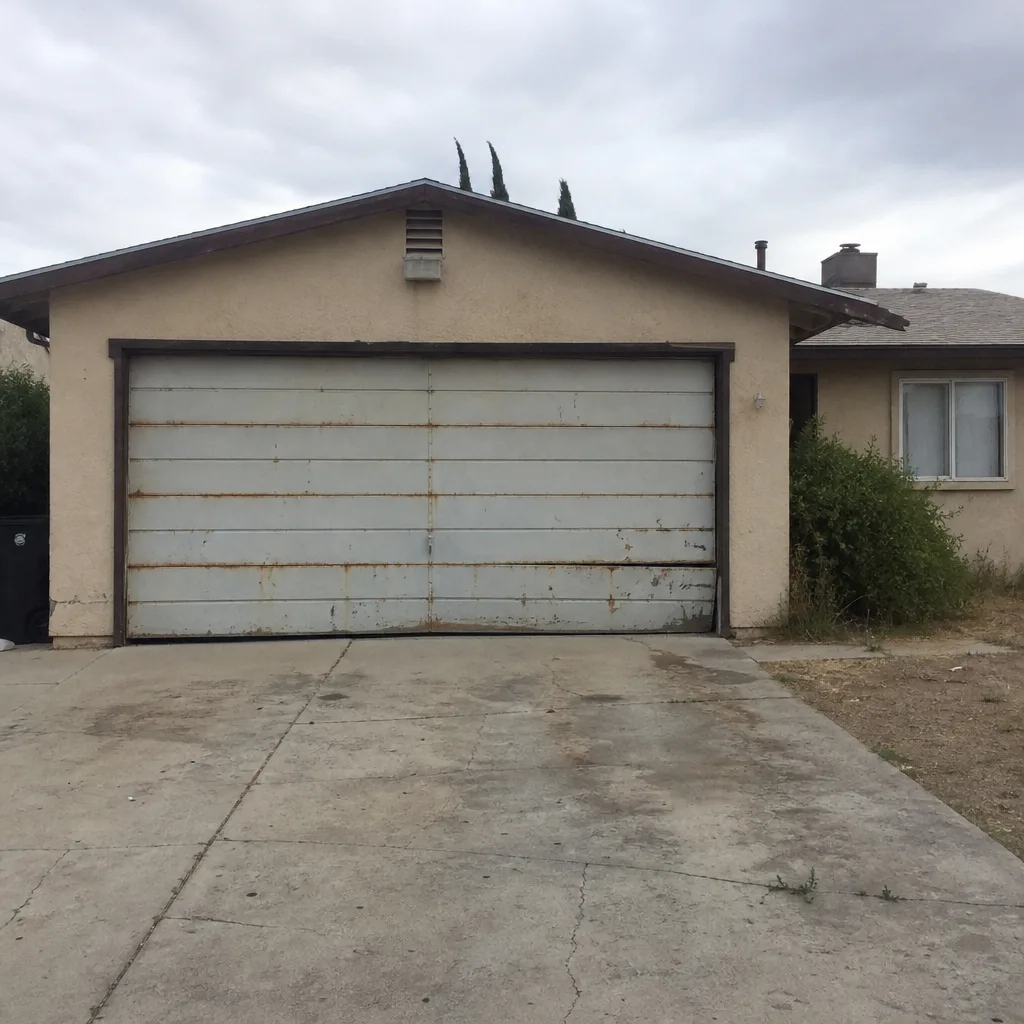 Before
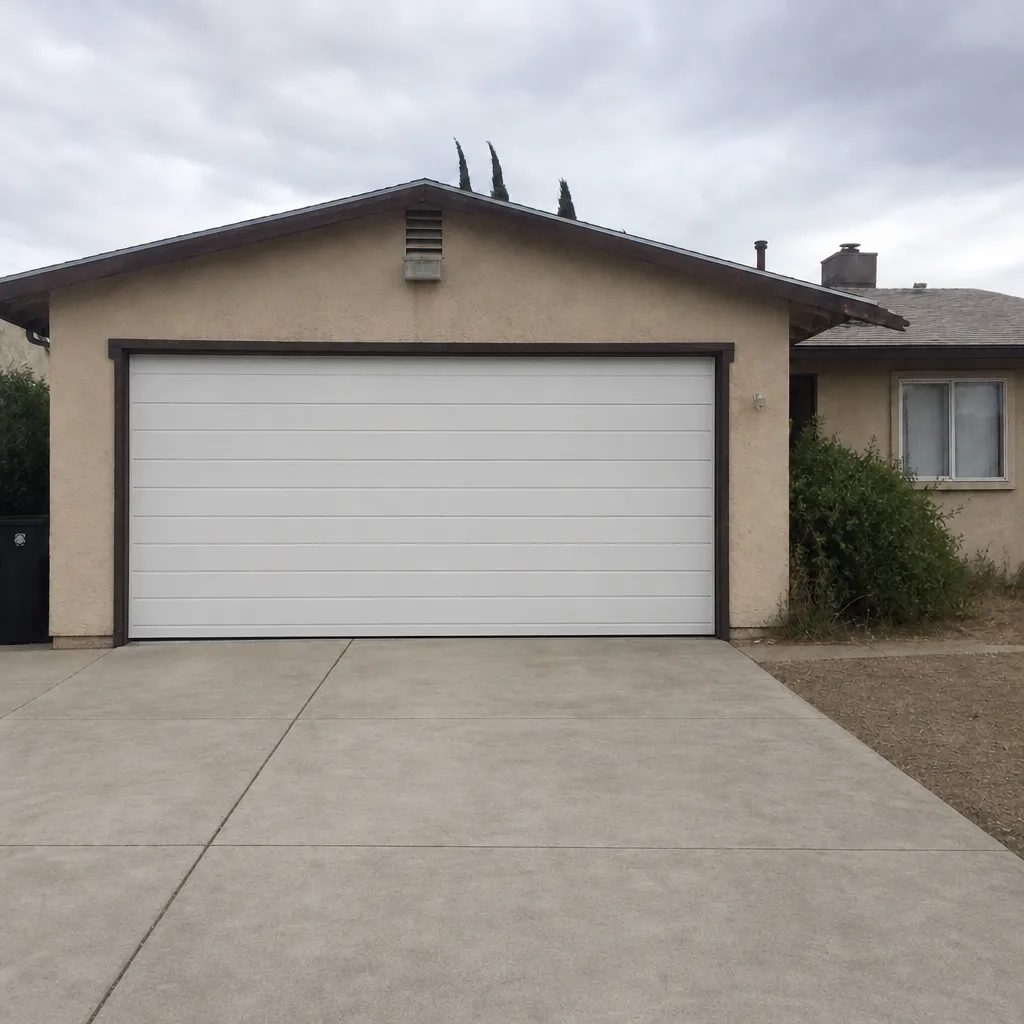 After
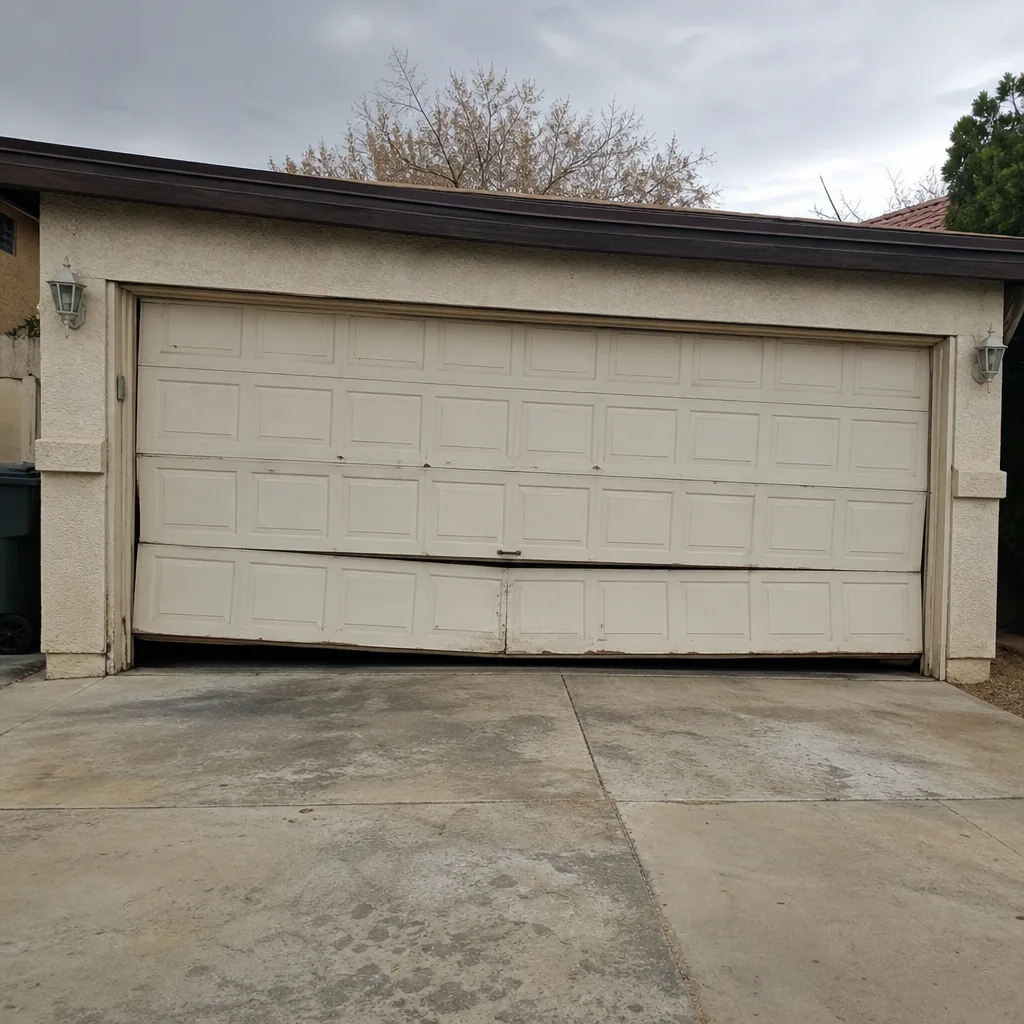 Before
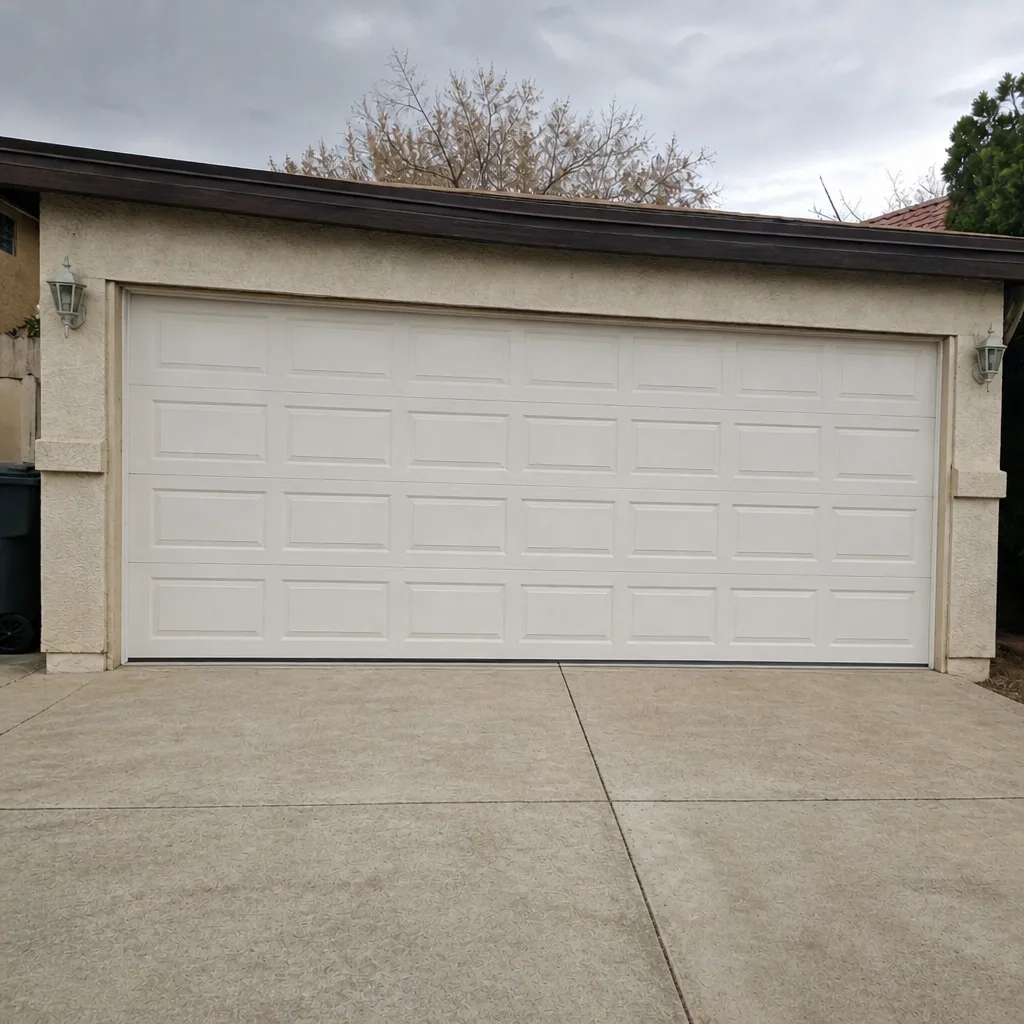 After
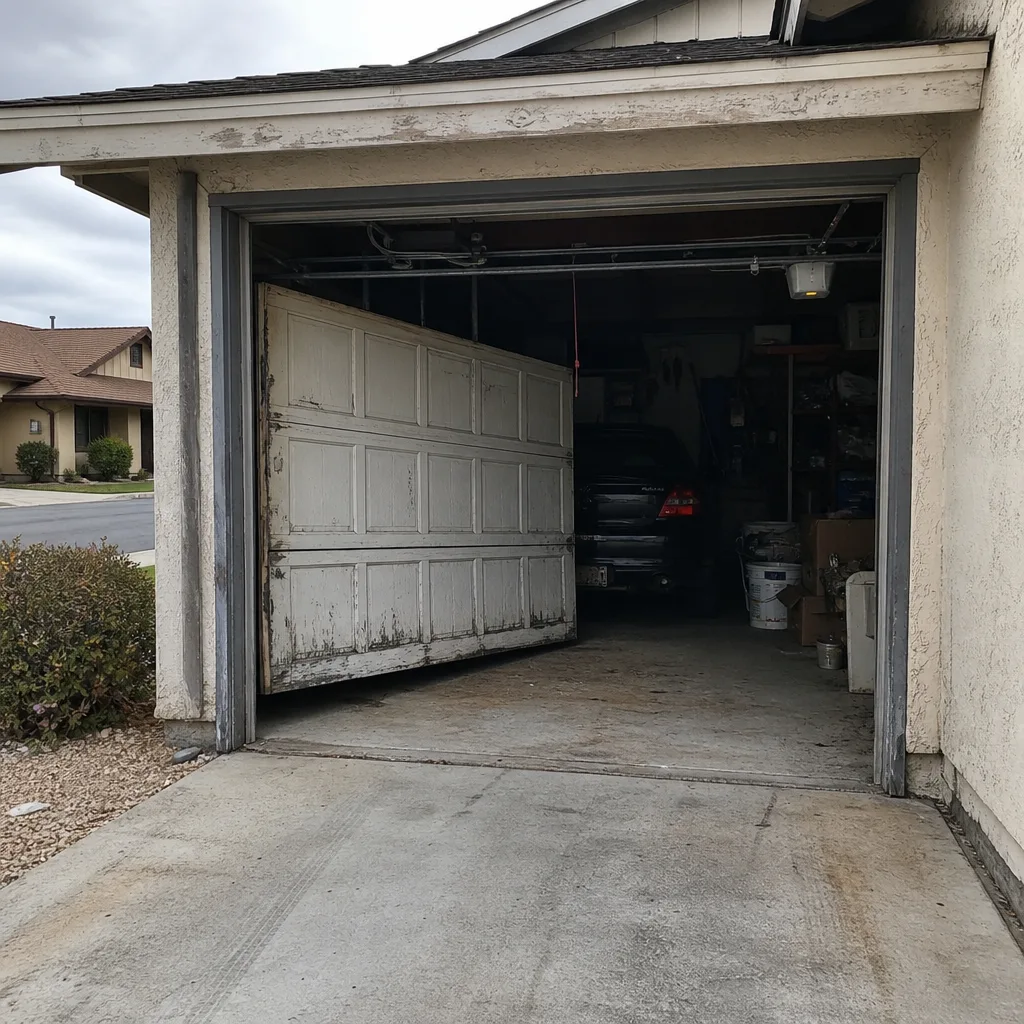 Before
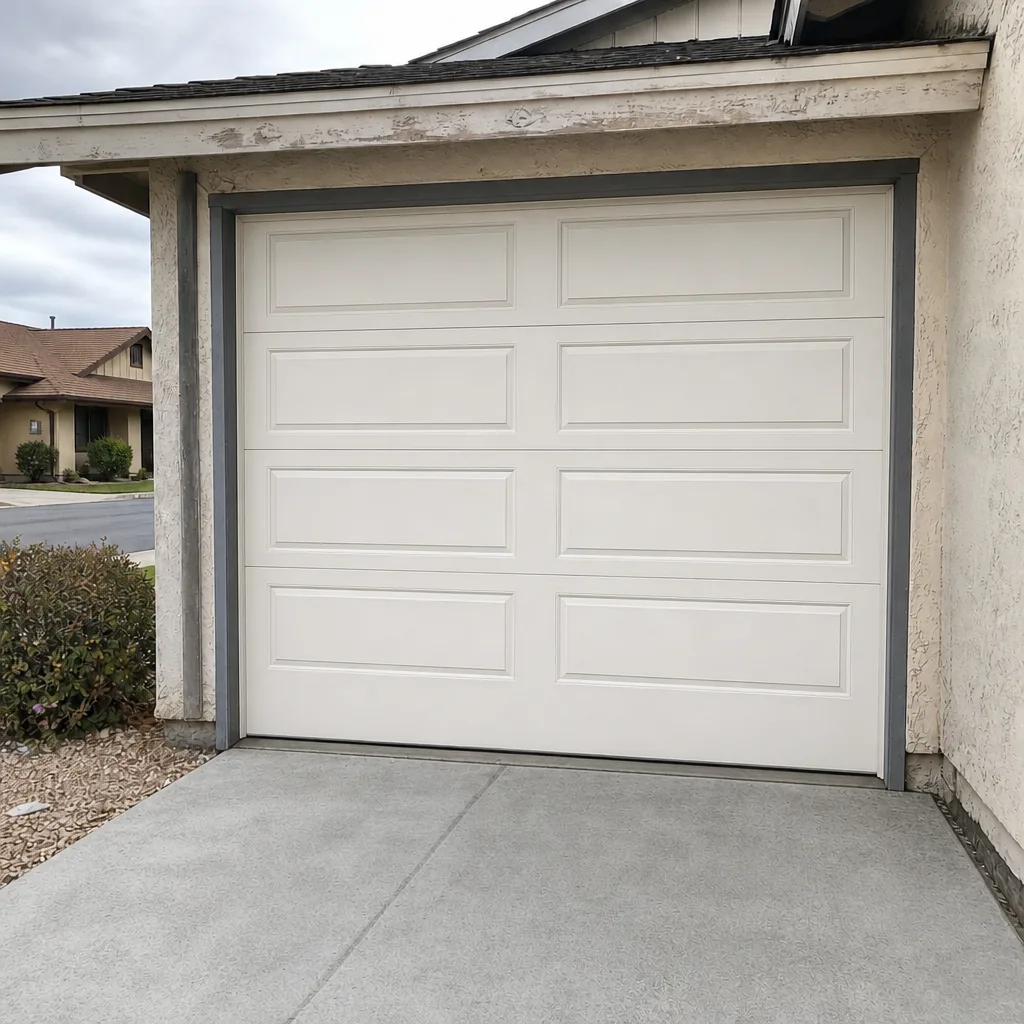 After
When to Call a Professional
Call a professional when the door won’t open or close, when you hear a loud bang from the garage, or when the door feels heavy and won’t stay up – those are signs of a broken spring or cable, and they’re dangerous to handle yourself. Call when the opener reverses for no reason and cleaning the sensors doesn’t fix it, when the door comes down crooked, or when the finish on your sun-facing panels is chalking and the door looks tired. Call before buying a replacement door, so the HOA rules and the insulation choice are settled first. Grafton Garage Door Repair offers free estimates in Spring Valley – call (877) 373-8712. We answer 24/7. Fast dispatch from 7am to 7pm, Sunday through Friday. We work on garage doors – and only garage doors – with three services handled in-house: repair, opener repair, and installation.
Frequently Asked Questions
Usually yes. Many master-planned communities here restrict the color, style, window placement, and material of a replacement door, so get the guidelines and submit for approval before you order. We can supply the manufacturer’s model and color details to make the paperwork easier.
Yes, especially for an attached garage used as a main entry. In 110°F heat, an uninsulated door turns the garage into an oven and pushes heat through the shared wall. A two- or three-layer door with a real insulation core keeps the garage cooler and quieter. Ask for the stated R-value and compare like for like.
That’s most often the safety sensors near the floor. Dust on the lenses or a bracket knocked out of line after a heat cycle can make the opener think something is in the way. Wipe the lenses and check alignment. If it still reverses, the sensor or the opener board may need professional attention – call (877) 373-8712 for a free estimate.
It depends on the part and the brand, and springs are the biggest variable. A single torsion spring sits in a typical range, and a matched pair is usually replaced together at about twice that. The price is quoted and agreed before any work starts, and the written estimate sets the final price. Call (877) 373-8712 for an exact quote – estimates are free.
Often, yes, for repair and opener work. We answer 24/7 and dispatch fast from 7am to 7pm, Sunday through Friday. A call outside dispatch hours is booked into the next opening. New door installation is measured and scheduled, so that work gets a free measure and a written price instead.
We work with LiftMaster, Chamberlain, Genie, Clopay, Amarr, Wayne Dalton, Craftsman, and Raynor – covering nearly every door or opener a homeowner here is likely to own. That includes both legacy and modern smart/Wi-Fi openers. Familiar with your brand before we arrive.
The Bottom Line
Spring Valley isn’t a generic garage door market, and your door shouldn’t be treated like one. Check your HOA rules before you shop, treat insulation as a structural decision for an attached garage, choose hardware and seals that survive desert UV and heat, and keep sensors and seals clean against dust and sand. Watch for the signs of a failing spring or cable and leave that work to a trained professional. Repair or replace – we’ll give you an honest recommendation, and the written estimate sets the price before any work starts. Grafton Garage Door Repair serves Spring Valley with garage door repair, opener repair, and installation, and only those. Call (877) 373-8712 for a free estimate. We answer 24/7. Fast dispatch from 7am to 7pm, Sunday through Friday. You can also learn more about Spring Valley and explore Grafton Garage Door Repair.
Written by the team at Grafton Garage Door Repair, serving Spring Valley since 2013.