
Last updated November 14, 2026
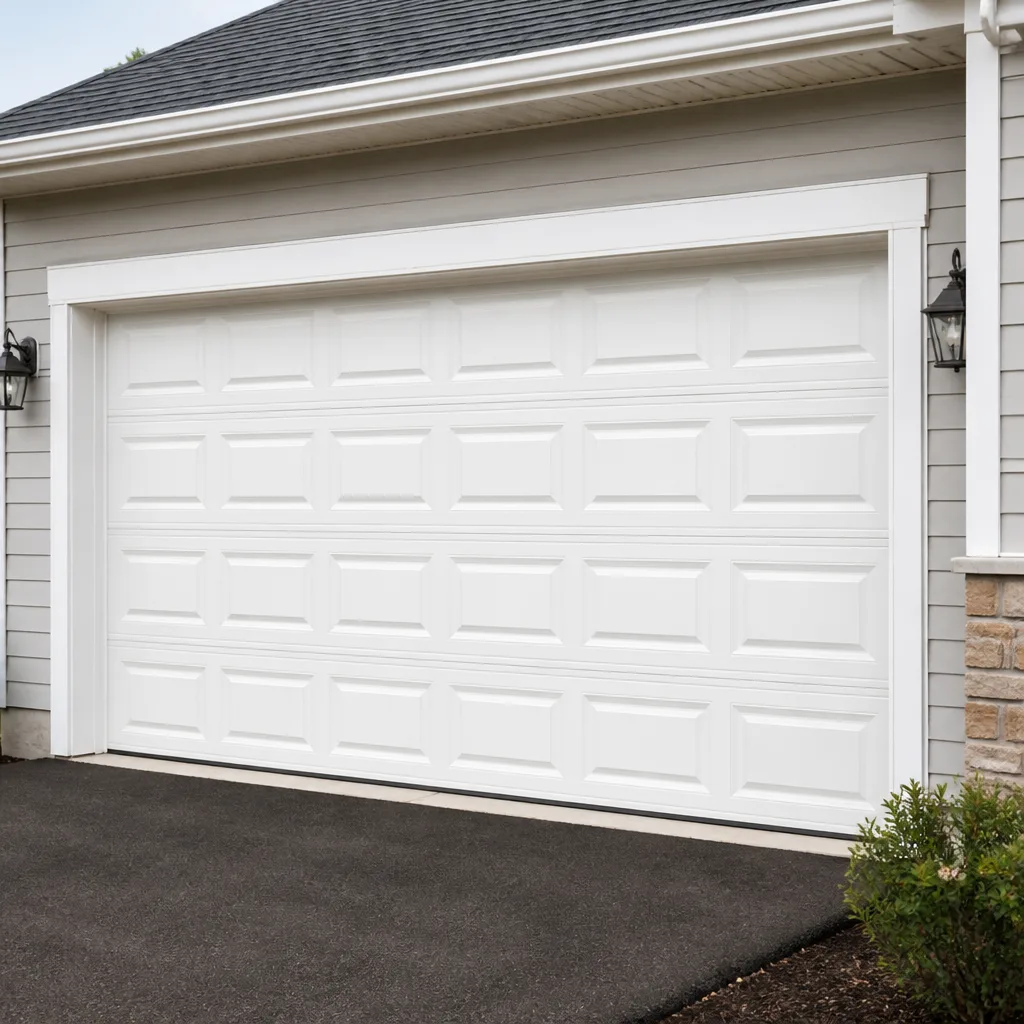 Raised-panel steel
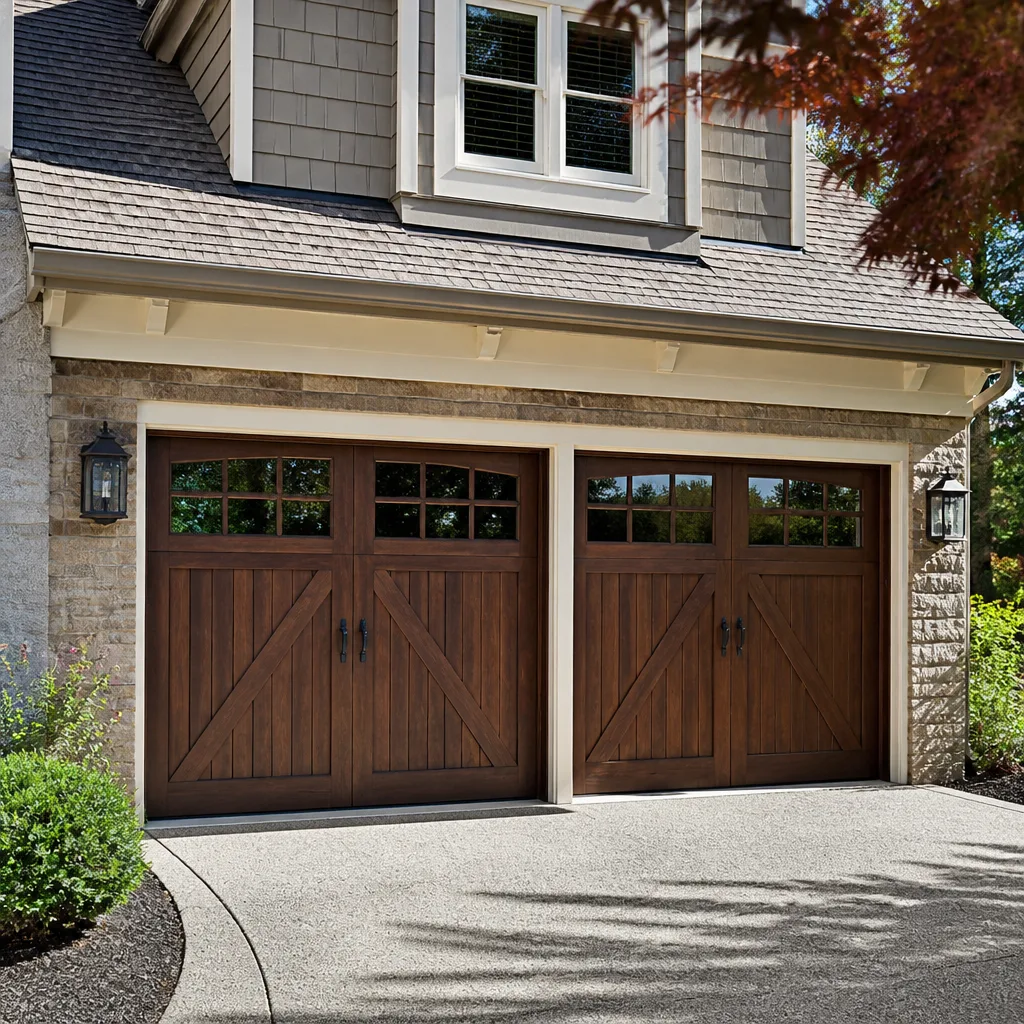 Carriage house
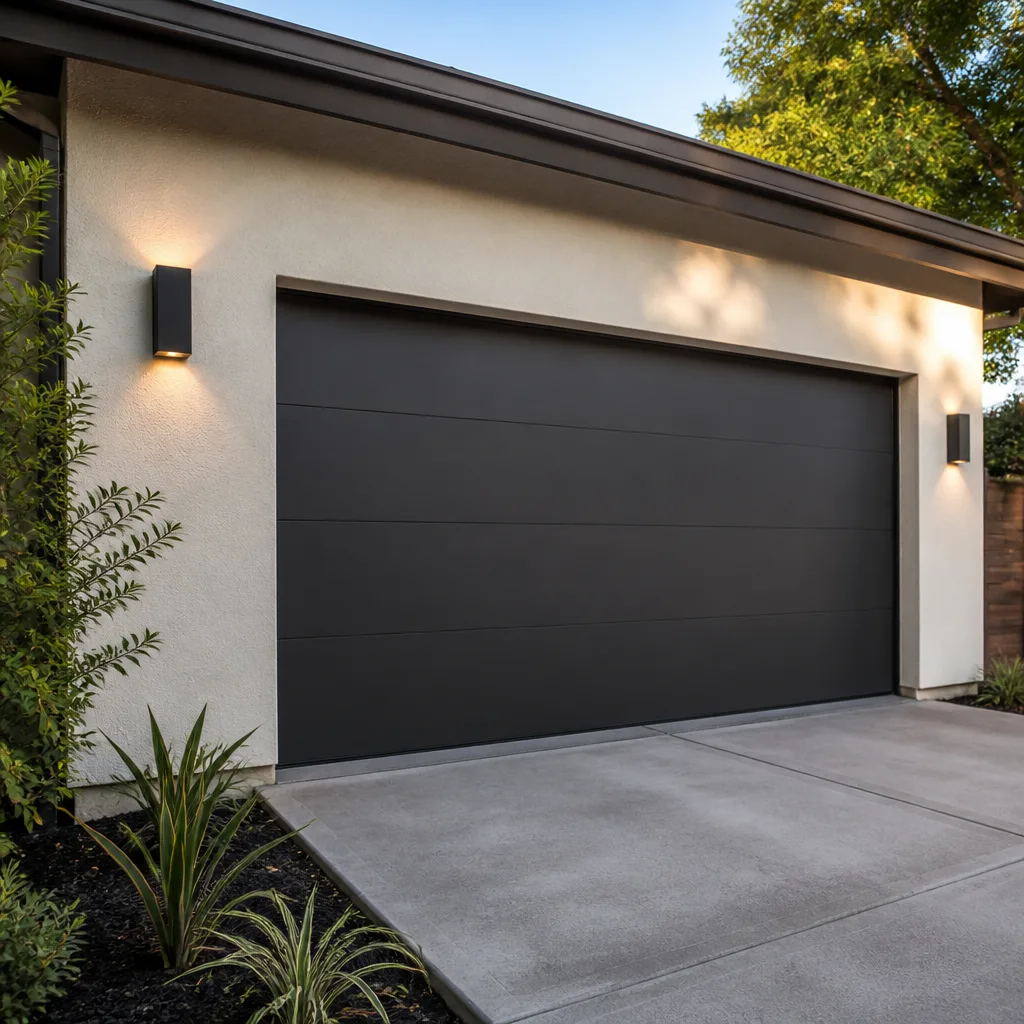 Modern flush
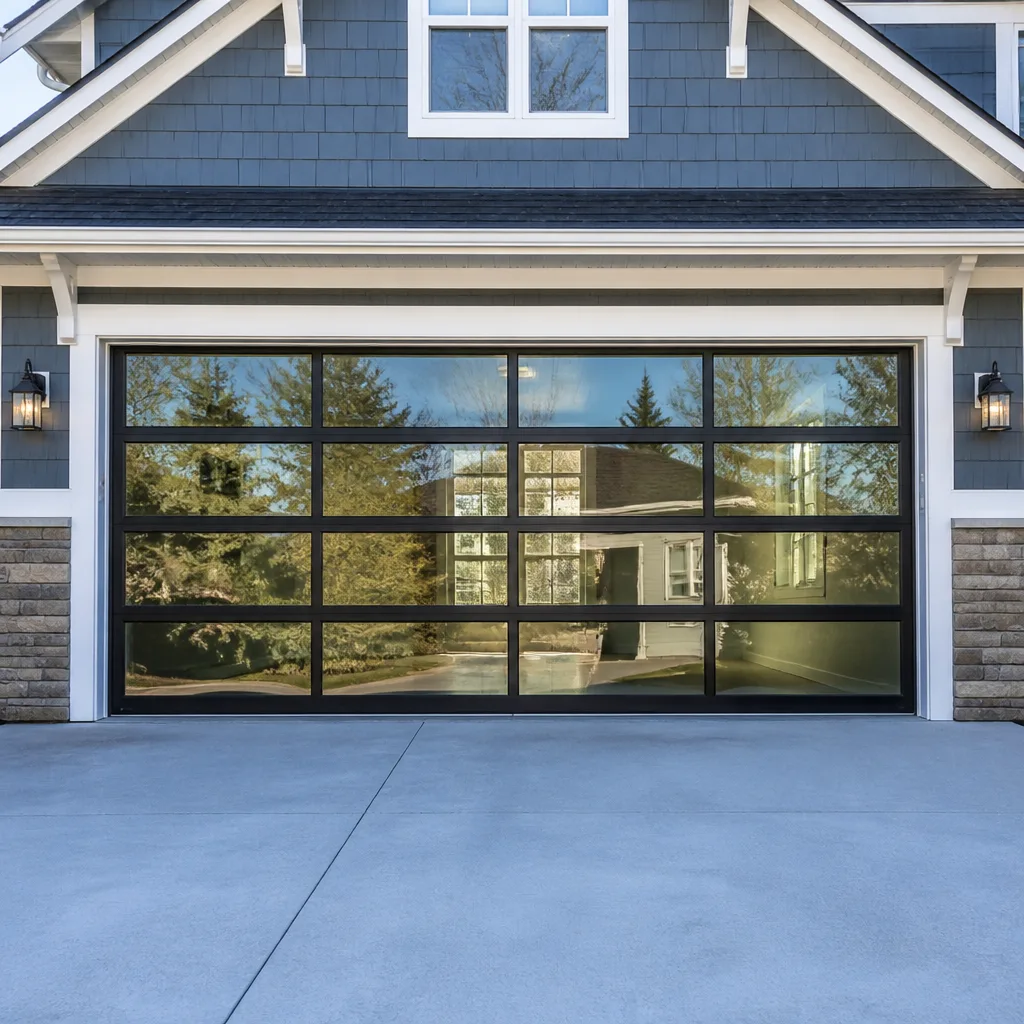 Full-view glass
 LiftMaster openers
 Chamberlain openers
Full 25-point door and opener safety check with every visit - springs, cables, rollers, tracks, and your LiftMaster or Chamberlain opener included
You get a price before we start. It does not change when the truck arrives.
Get your free estimateGarage Door Permits, Codes & Inspections in Spring Valley, NV: What You Need to Know
Here’s the part nobody tells you at the point of purchase: a garage door replacement is construction work, and in unincorporated Clark County it usually needs a building permit before the first bracket goes up. Homeowners hear “permit” and picture a fee and a delay, so they skip it. Then, years later, a title search during a home sale turns up the unpermitted work, and a straightforward closing gets complicated fast. This guide walks through which garage door projects in Spring Valley actually trigger a county permit, which repairs don’t, how to confirm your contractor pulled one, how HOA architectural approval runs alongside county permitting rather than replacing it, and what a Clark County inspection actually looks at.
Quick Answer
In Spring Valley, a full garage door replacement generally requires a building permit through Clark County, while like-for-like repairs – a broken spring, a worn roller, a snapped cable, a misaligned track – typically do not. Permit rules live with the county, so always confirm the current requirement with Clark County’s building department for your specific address before work starts. HOA architectural approval is a separate step that does not substitute for a county permit.
Styles & brands we work with
- Raised-panel steel
- Carriage house
- Modern flush
- Full-view glass
- LiftMaster openers
- Chamberlain openers
Table of Contents
- Which garage door projects need a permit in Spring Valley?
- What garage door work is permit-exempt?
- How to pull a permit or confirm your contractor did
- Why HOA approval doesn’t replace a county permit
- What a Clark County inspection actually checks
- What happens to insurance when unpermitted work surfaces
- How unpermitted doors affect a Spring Valley home sale
- Code basics every homeowner should know
Which garage door projects need a permit in Spring Valley?
A full door replacement – new door, new track, new hardware, and in many cases a new opener – is the project that generally triggers a building permit through Clark County. A permit is the county’s record that structural and safety work at your address was done to code. For a garage door, that record matters far more than most people realize, because a garage door is the largest moving object attached to a house.
Two things tend to land in the permit category:
- Full door replacement. Swapping out the whole assembly, including the panels, track system, torsion or extension springs, and mounting hardware. This is the classic permitted project.
- Opening size changes. Widening a garage opening, changing header structure, or converting a garage opening in a way that alters the framing. Anything that touches the structure of the house goes through the county.
What surprises homeowners most is that the permit requirement attaches to the door, not the invoice. A modest replacement and a high-end one both fall under the same rule, because the county isn’t regulating price. It’s regulating that the work at that address was done to the building code. In a valley where summer heat is brutal on rubber seals, rollers, and torsion springs, the county’s interest isn’t aesthetic – it’s that the door operates safely and stays attached.
Spring Valley adds its own wrinkle. A lot of the housing stock is 1990s and 2000s-era tract construction, which means the original doors are now old enough that replacement is common rather than occasional. Homeowners who replace a failing builder-grade door with a new one from a brand like Clopay or Amarr often assume the swap is a simple like-for-like and skip the permit. Confirm with Clark County’s building department before you assume anything, because the permit question is decided by the scope of work, not by how routine the project feels. When we quote a replacement through garage door repair, we make the permit conversation part of the estimate instead of an afterthought.
What garage door work is permit-exempt?
Routine repair and maintenance on an existing door usually does not require a building permit. That’s the short version, and it covers the majority of the calls we get. Replacing worn parts on a door that’s already installed and permitted isn’t new construction – it’s keeping an existing assembly functional.
Common permit-exempt work includes:
- Replacing a broken torsion or extension spring (one spring or a matched pair)
- Swapping out rollers, hinges, and bearings
- Replacing a frayed or snapped lift cable
- Realigning a door that has come off its track
- Replacing worn weather seals and bottom rubber
- Repairing or replacing a garage door opener, including belt, screw, and chain drive units
Opener replacement is a good example of a gray area. Replacing an existing opener in the same position with the same type of unit is generally treated as a like-for-like swap, while adding a new electrical circuit or moving the operator location can pull in electrical permitting. If you’re upgrading to a modern Wi-Fi-enabled unit from LiftMaster, Chamberlain, or Genie, the mechanical work itself usually doesn’t require a building permit, but anything touching your home’s wiring deserves a call to the county before you start.
Even on permit-exempt repairs, the safety stakes haven’t changed. Torsion springs are under extreme tension, and a cable or spring that lets go under load can cause serious injury. Spring and cable work is a job for a trained technician, not a weekend project, and we flag that in every estimate we write in Spring Valley. The best habit to build: when in doubt, call Clark County’s building department and describe the exact scope. It takes minutes and settles the question for good.
How to pull a permit or confirm your contractor did
The single most important thing to understand about permits is that the responsibility belongs to the homeowner. Even when a contractor pulls the permit on your behalf, the record attaches to your property and your address. That’s why you should never assume a permit exists – confirm it. This is a short, methodical process.
- Ask the contractor, in writing, who pulls the permit. Get the answer in the estimate or a text. “Who is pulling the permit on this job, and under what license?” is the exact question to ask.
- Confirm the permit was actually issued. Ask for the permit number once the contractor says it’s pulled. If they pulled it, they should be able to hand you the number without delay.
- Look it up. Clark County allows you to search permit records by address. Take two minutes and confirm the number matches your address and the scope of work.
- Verify the contractor’s license. Pull the contractor’s license status through the state before work starts. An unlicensed contractor cannot legally pull permits in their own name, which is often why they’ll ask you to pull one as an “owner-builder.”
- Check the inspection record after the work. A permit closeout requires the county to inspect. If the permit is never closed, you can end up with an open permit on your property record that surfaces later.
Our rule with every Spring Valley customer is simple: we tell you up front what scope requires a permit, and we’ll never leave you guessing whether it was pulled. If a contractor is vague about the permit question, that’s your signal to walk. A permit is cheap next to the cost of an unpermitted door showing up during a closing.
Why HOA approval doesn’t replace a county permit
Spring Valley has a lot of homes inside HOAs, and this creates one of the most common permit mix-ups in the valley: homeowners get HOA architectural approval and assume that satisfies the county. It doesn’t. HOA approval is a private governing body’s sign-off on appearance and community standards. A county building permit is the government’s sign-off that the work is safe and code-compliant. They run in parallel, and you generally need both for a full replacement.
The two processes serve different interests:
- HOA architectural approval covers the look of the door – color, panel style, window options, and whether the change fits the architectural character of the community.
- Clark County building permit covers the safety and structure – whether the door, track, and hardware are installed to code at that address.
Timing is where homeowners trip. HOA approval can take time, and some HOAs require a submission deadline before a meeting. A garage door replacement planned around that process needs a little runway, which is one reason we always ask early whether your home is in an HOA. If you’re choosing a new door from a brand like Raynor or Clopay, getting the color and style approved by the HOA first avoids the situation where the door is ordered and then has to be re-selected.
The other thing to know: county permits and HOA approvals are separate records. Neither one gets you out of the other. Pull both, keep both. On a full replacement in Spring Valley, treat them as two mandatory steps in the plan, not as alternatives.
What a Clark County inspection actually checks
A Clark County inspection on a garage door permit isn’t a beauty check. It’s a safety and structural check on how the door is mounted, how it operates, and whether the installation meets the code requirements in place at the time of permitting. The inspector reviews the installed work, not your paint choices.
Expect the inspection to focus on things like:
- Mounting and anchoring. Track brackets, spring anchor plates, and panel attachment points need to be secured to the structure as required.
- Operation and balance. The door should operate smoothly and stay in balance when released – a door that slams or drifts is a red flag.
- Safety features. The door should have the required reversal protection, which on modern openers is typically the photo-eye safety sensor at the floor plus a force-reversal setting. Modern units from LiftMaster, Chamberlain, and Genie all include these features, but they still have to be installed and aligned correctly.
- Clearances and hardware. Proper spacing, intact cables, and correct spring and bracket hardware.
Preparation is simple: let the work be finished before the inspection. If your contractor has mounted the door but the opener or sensor wiring isn’t complete, the inspection gets rescheduled, and the permit stays open. In Spring Valley, heat is a factor here too – cables and seals can be tested and stressed in high summer temperatures, and a door that operated fine in the spring can behave differently once the valley heats up. A quick call to the county before the inspection date confirms what the inspector expects and keeps the process to one visit.
What happens to insurance when unpermitted work surfaces
This is the risk most homeowners never think about until it’s too late. When a garage door problem leads to an insurance claim – a door that failed, a vehicle damaged by a falling door, water intrusion through a poorly sealed opening – an adjuster investigating the loss can discover that the door was installed without a permit. That discovery can complicate the claim, because insurers evaluate whether the work at the address was done to code and disclosed.
How an insurer responds depends on the policy and the facts, and no one can promise an outcome in advance. But the mechanism is straightforward: an unpermitted installation is a gap in the property’s documented history. Some policies have exclusions or conditions that can be triggered by unpermitted or non-code construction, and an adjuster who finds one is doing their job. The practical outcome is that a claim can be reduced, delayed, or denied, and the burden lands on the homeowner to prove the work was done correctly.
Permitted work, by contrast, is documented work. There’s a paper trail showing the door was installed to code and inspected. That’s a much stronger position to be in when you need your insurer on your side after a garage-door incident. Homeowners in Spring Valley who ask us about a replacement are often surprised when we bring up insurance before we bring up door brands – but it’s one of the most consequential reasons to pull the permit. For repairs on an existing, already-permitted door, this concern is much smaller, because you’re not creating new unpermitted construction. The issue lives mostly on the replacement side, and that’s exactly where the temptation to skip the permit is strongest.
How unpermitted doors affect a Spring Valley home sale
Home sales are where unpermitted work comes home to roost. During a title search and the disclosure process, an unpermitted garage door replacement can surface as either an open permit or no permit at all. Neither looks good to a buyer, and both can stall a closing at the worst possible moment.
The sequence often looks like this:
- Buyer’s title search and inspection identify the door as replaced.
- Seller is asked for the permit and inspection record.
- No record exists, so the buyer’s agent flags the work as unpermitted.
- The parties negotiate – the seller obtains an after-the-fact permit and inspection, or credits money at closing, or the transaction changes.
None of those outcomes is catastrophic, but all of them are avoidable. An after-the-fact permit requires the county to inspect work that may no longer be exposed, and the cost and time fall to whoever owns the home at the time. In Spring Valley’s active resale market, buyers and their agents are focused on records, and an unpermitted door introduces friction nobody wants late in a deal.
The fix is simple: pull the permit before the work, keep the permit number with your home records, and note the inspection closeout. If you’re planning to sell within a few years of a replacement, treat that paperwork as part of the project, not as documentation you’ll gather later. On repair work – a spring, an opener, a track realignment – there’s no permit history to worry about, and that’s another reason to distinguish repair from replacement carefully. If you want a specialist to walk through your specific scope and clarify what needs a permit, a free estimate from Grafton Garage Door Repair will do it.
Code basics every homeowner should know
You don’t need to become a code expert, but a few basics help you hold up your end of the conversation when a garage door gets replaced. The county’s building code governs how doors must be mounted and operated, and the details get confirmed at inspection. The homeowner’s role is knowing what the code protects you against and asking the right questions.
What matters most:
- Safety reversal. Modern openers have a reversal feature that sends the door back up when it meets an obstruction. The photo-eye sensor at the floor is the most visible part of that feature, and it must be installed and aligned.
- Structural attachment. The door, track, and spring hardware are anchor-mounted to the structure of the house. The integrity of those anchor points is a code and safety matter.
- Balance and force settings. The door must operate without excessive force, and the opener’s force setting must match the door it’s connected to.
- Clearances. Doors need proper clearances in the opening, and the installation should not compromise the framing.
Opener-side safety features are where modern units shine. A door with a newer LiftMaster or Chamberlain opener has more standard safety equipment available than an older analog system, which is one reason to consider the opener along with the door. When we work with garage door opener repair on existing installs, we routinely check the reversal and force settings against the door’s actual weight, because a mismatched setting is a common cause of a door that won’t behave. In a Spring Valley home, the long, hot summers wear on seals, rollers, and sensors, and safety equipment should be checked on a routine basis, not only when the door misbehaves. Code enforcement is the county’s job; keeping the door safe and working is ours.
Common Mistakes to Avoid
- Assuming a like-for-like swap is permit-free. A full door replacement generally needs a permit even if the new door matches the old one in size and style. Always confirm the scope with the county before work begins.
- Treating HOA approval as the permit. HOA architectural sign-off and a Clark County building permit are separate processes, and you need both for a replacement. Skipping the county permit because the HOA said yes is one of the most common oversights on Spring Valley replacements.
- Taking a contractor’s word that the permit was pulled. Ask for the permit number in writing and look it up against your address. “We don’t need one for this” is a sentence that deserves a follow-up call to the county.
- Pulling the permit as owner-builder for a contractor. When a contractor asks you to pull the permit in your own name, you’re assuming the compliance responsibility and undercutting your warranty and insurance position. A licensed contractor pulls their own permits.
- Letting the permit closeout slip. An open permit on your property record is a title-search flag. Track the inspection record and confirm the permit was closed before you file the job away.
- Skipping the HOA submission deadline. Some HOAs require architectural submissions well before a meeting. Start the approval early if you have a replacement planned, or you’ll be waiting on color approval after the door is already ordered.
- Assuming insurance won’t look. An adjuster investigating a door-related claim can discover unpermitted work. Keep the permit and inspection record on file, because it’s the strongest evidence that the installation was done correctly.
See the difference
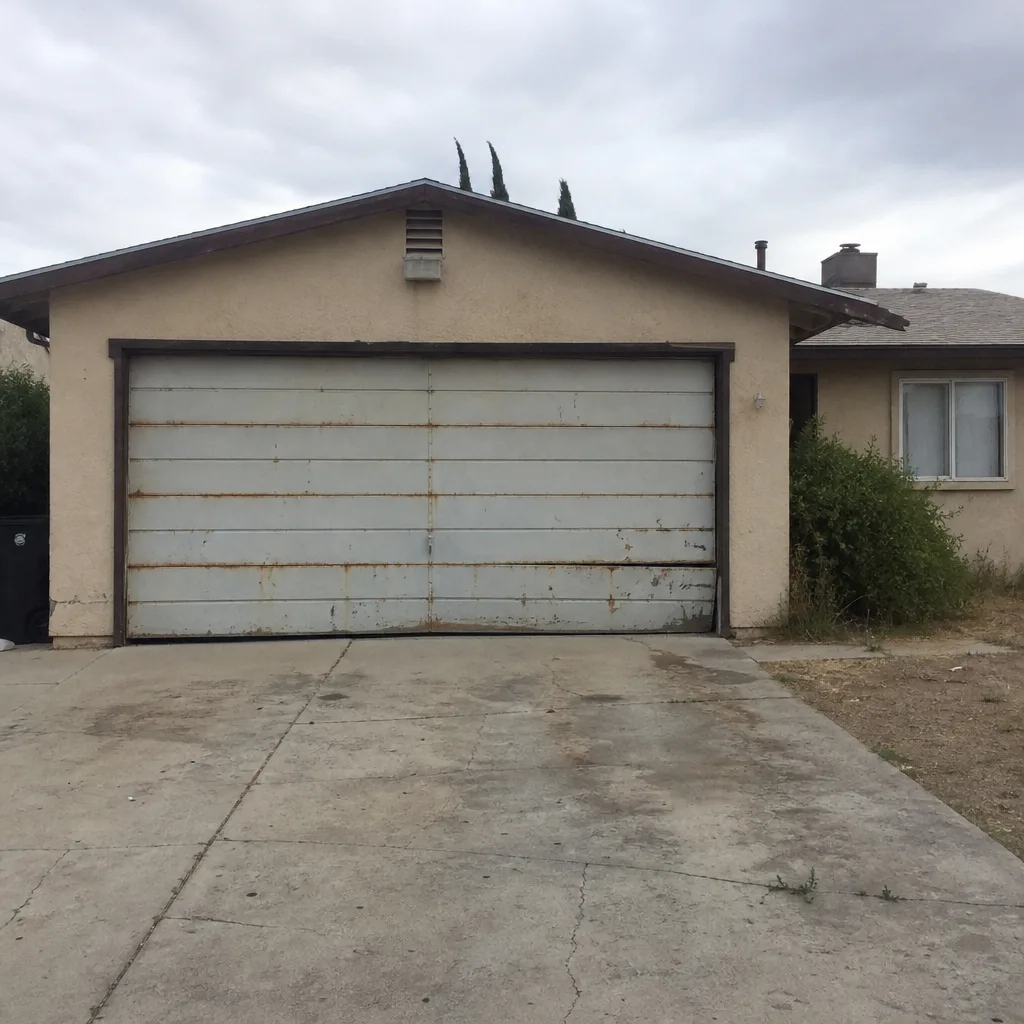 Before
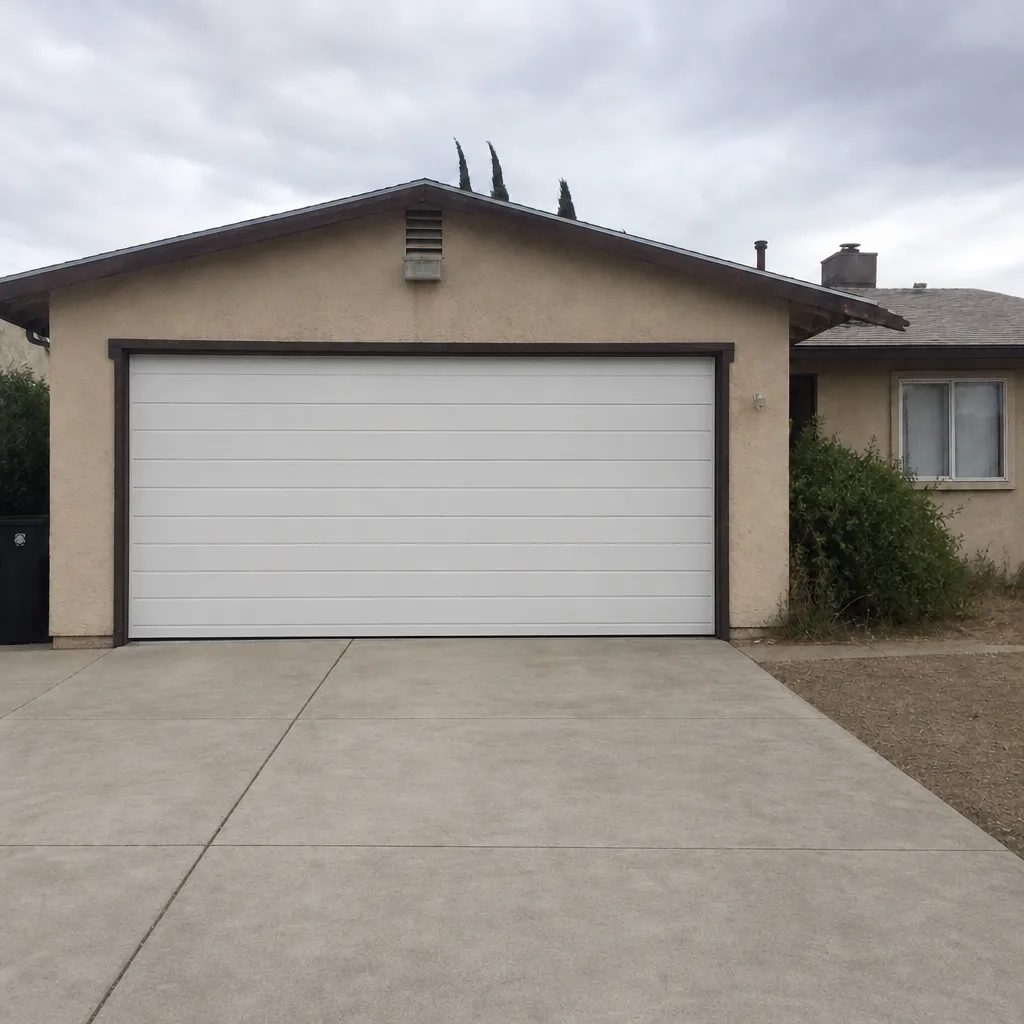 After
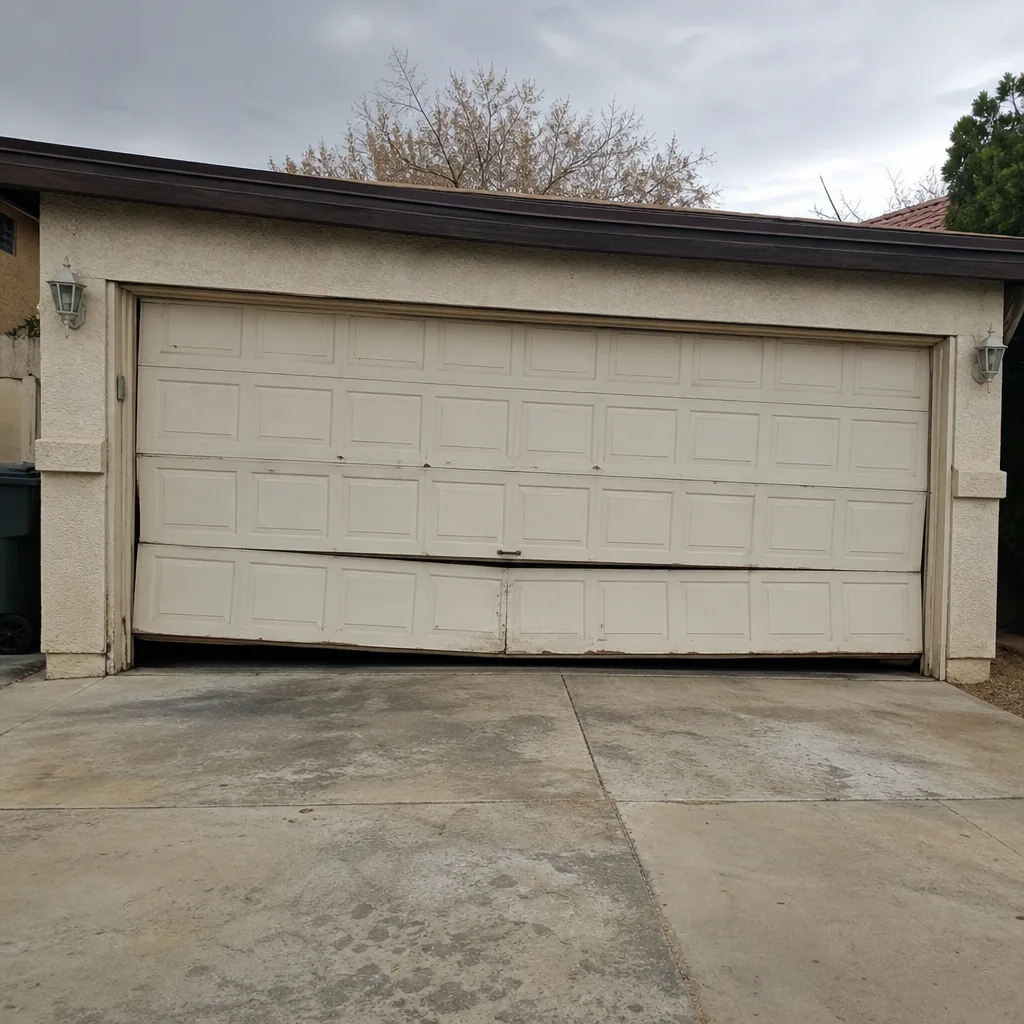 Before
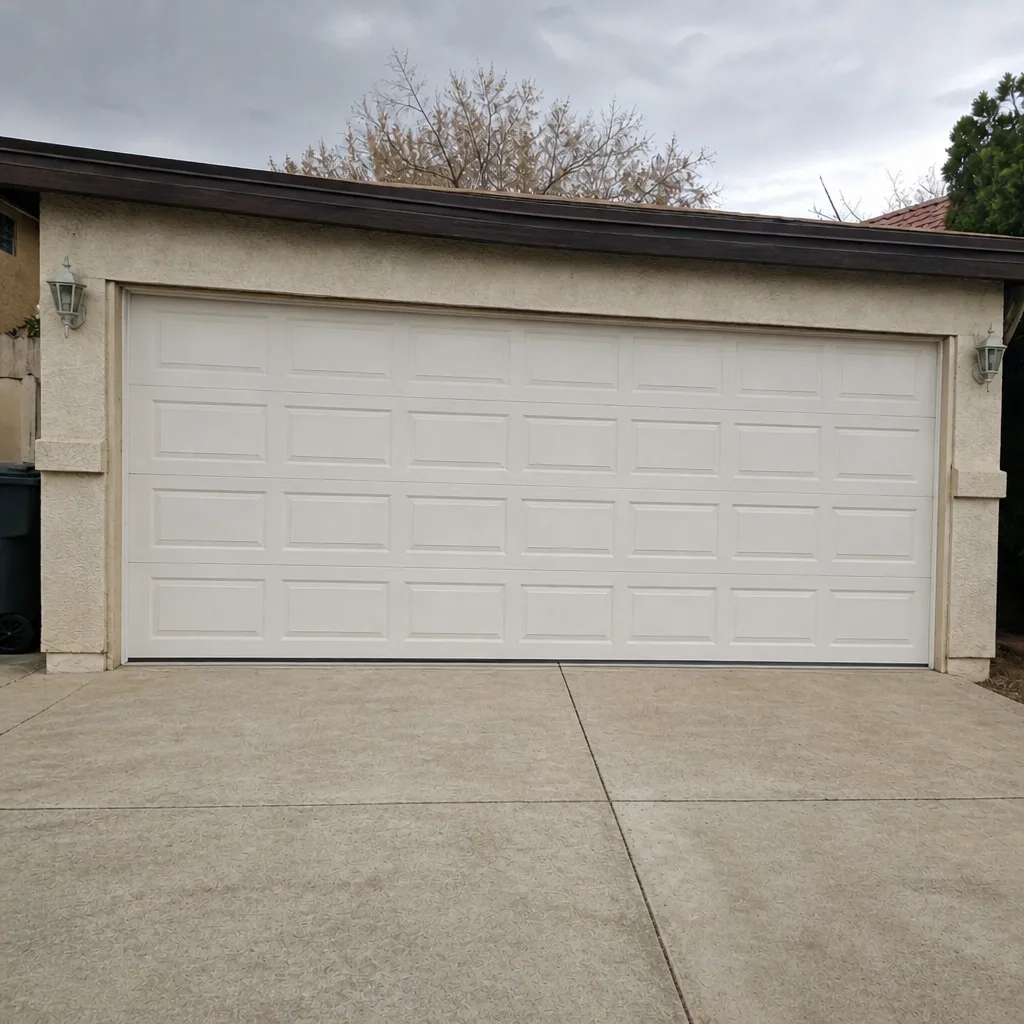 After
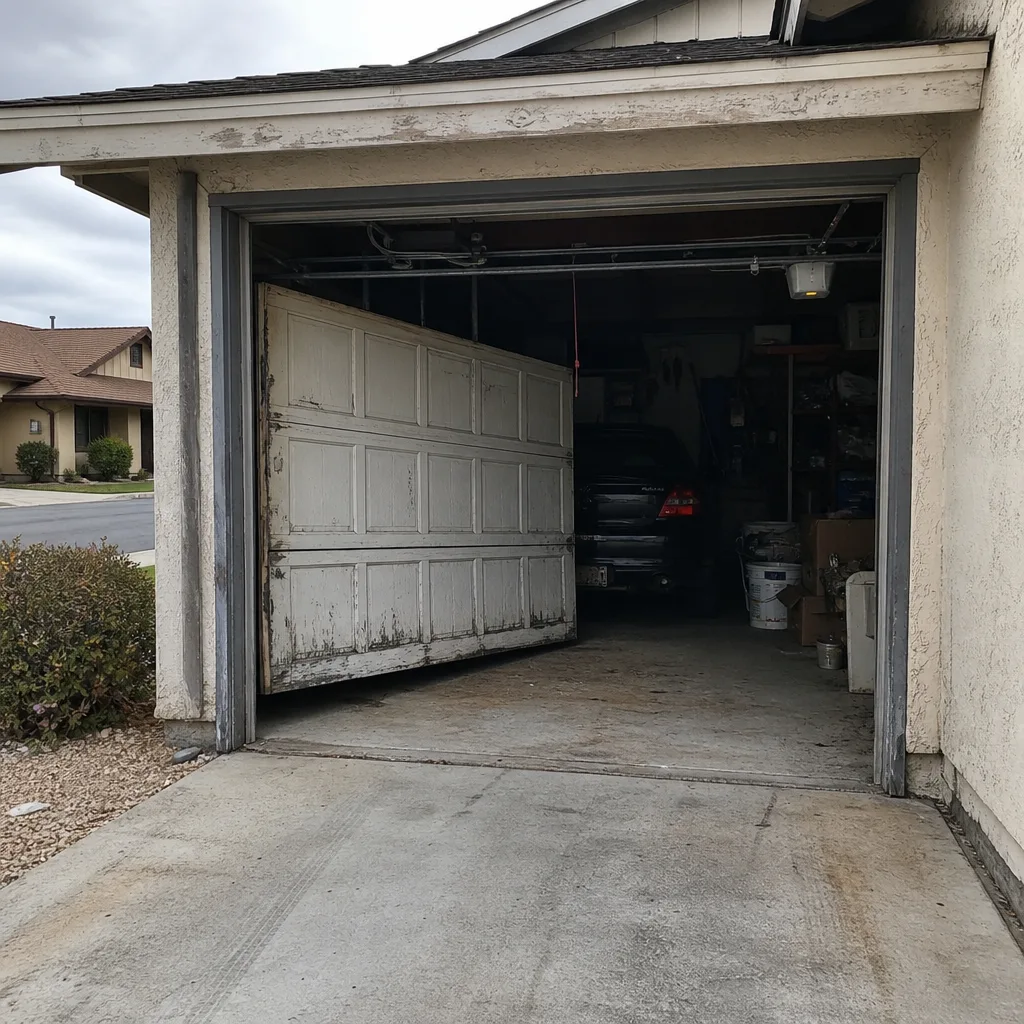 Before
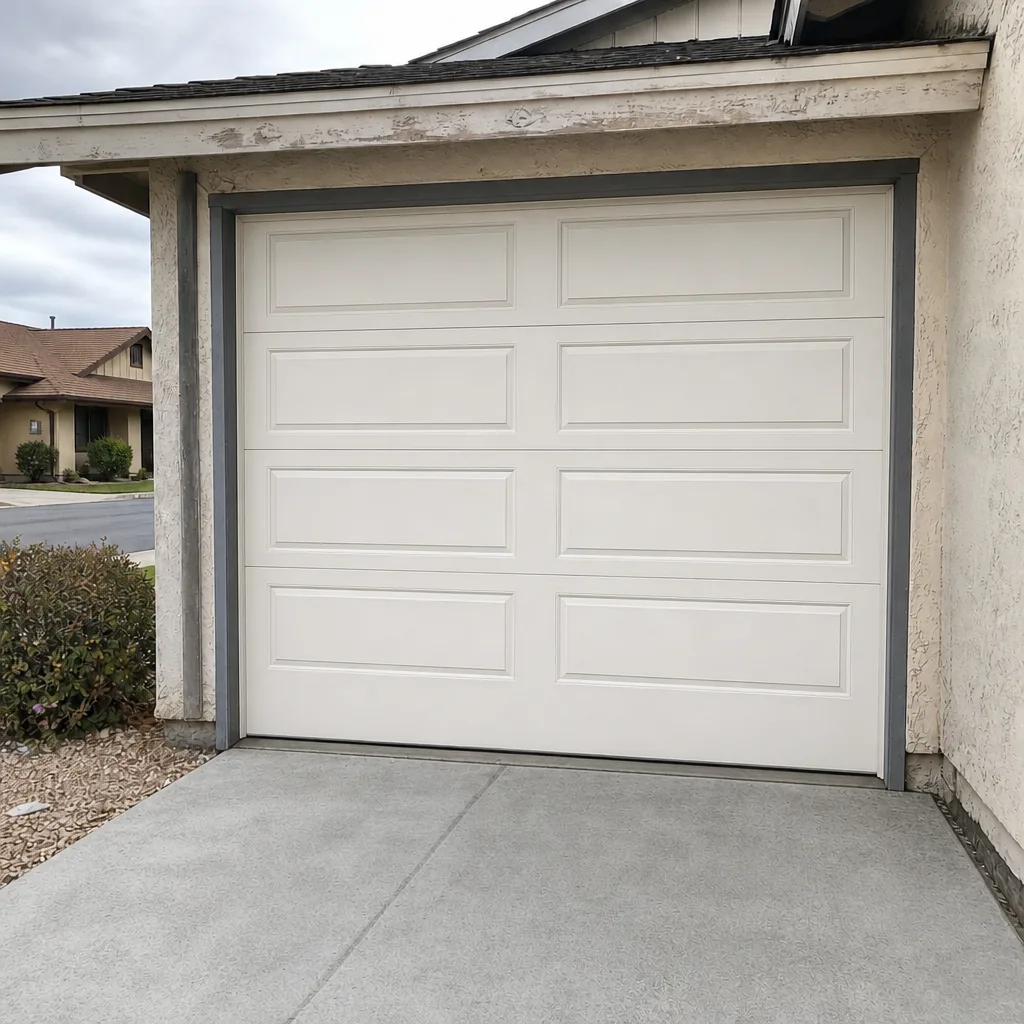 After
When to Call a Professional
Some garage door problems are clear enough to diagnose from the driveway. A snapped spring, a door that won’t close, a cable that’s come loose, a track panel that’s off – those are jobs for a trained technician, and springs and cables especially belong in professional hands because of the tension they carry. On the replacement side, the question is different: it’s not just the install, it’s the permit path. If you’re replacing a full door, changing the opening, or upgrading an opener and you’re unsure whether a permit is required, that’s a conversation worth having early with someone who handles it regularly. Grafton Garage Door Repair offers free estimates in Spring Valley. Call (877) 373-8712 and we’ll walk through your scope, the permit question, and the timing before you commit. We answer 24/7. Fast dispatch from 7am to 7pm, Sunday through Friday.
Frequently Asked Questions
Usually yes. In unincorporated Clark County, a full garage door replacement generally requires a building permit, while repairs to an existing door typically don’t. Confirm the current requirement with Clark County’s building department for your specific address before the work starts, and never assume a like-for-like swap is exempt. If you’d like a second opinion on whether your project needs one, call (877) 373-8712 for a free estimate.
Generally yes. Replacing a torsion or extension spring, a worn roller, a cable, or an opener in the same position is treated as repair work and doesn’t usually require a building permit. If the work adds or alters home electrical circuits, check with the county. Spring and cable work should always go to a trained technician because of the tension they carry. Call (877) 373-8712 to schedule a repair estimate.
No. HOA architectural approval is a private process about the appearance of the door, and a Clark County building permit is a government process about safety and code compliance. They run in parallel, and a full replacement generally needs both. Keep both records with your home file. Call (877) 373-8712 if you need help planning the order of steps.
It checks the installed work against the building code: mounting and anchoring to the structure, door balance and operation, safety reversal features including the photo-eye sensors, and correct hardware. It doesn’t review appearance. Preparation is simple – finish the installation, including opener and sensor wiring, before the appointment. For help getting a door to inspection-ready condition, call (877) 373-8712. Estimates are free.
An adjuster investigating a door-related loss can find that the installation was never permitted, and depending on the policy, that can complicate the claim – potentially reducing, delaying, or denying it. No one can promise an outcome in advance, but permitted, inspected work gives you documented evidence that the installation was done correctly. Call (877) 373-8712 to talk through your replacement before you commit.
The homeowner is. Even when a licensed contractor pulls the permit on your behalf, the record attaches to your property. Ask the contractor to confirm who is pulling it, get the permit number in writing, and look it up against your address. A licensed contractor pulls their own permits under their own license. Call (877) 373-8712 and we’ll tell you what your scope requires.
The Bottom Line
Garage door replacement in Spring Valley is a construction project, and it comes with a county permit requirement that most homeowners only learn about years too late. Pulling the permit before the work, keeping the permit number and inspection record, and getting HOA approval alongside it is a small step that protects your home sale, your insurance position, and your warranty. Repairs are mostly permit-exempt – it’s the replacement that needs attention. Know what scope triggers a permit, confirm your contractor pulled it, and keep the paperwork. That’s the whole system, and it’s worth doing right the first time.
Contact Us
Whether you’re planning a replacement and need to sort out the permit path or dealing with a repair that’s already gone wrong, Grafton Garage Door Repair can help. We work on garage doors – and only garage doors – and we’ll lay out the scope, the timing, and the permit question before anything is ordered. Call (877) 373-8712 for a free estimate. We answer 24/7. Fast dispatch from 7am to 7pm, Sunday through Friday.
Written by the team at Grafton Garage Door Repair, serving Spring Valley since 2013.