
Last updated November 14, 2026
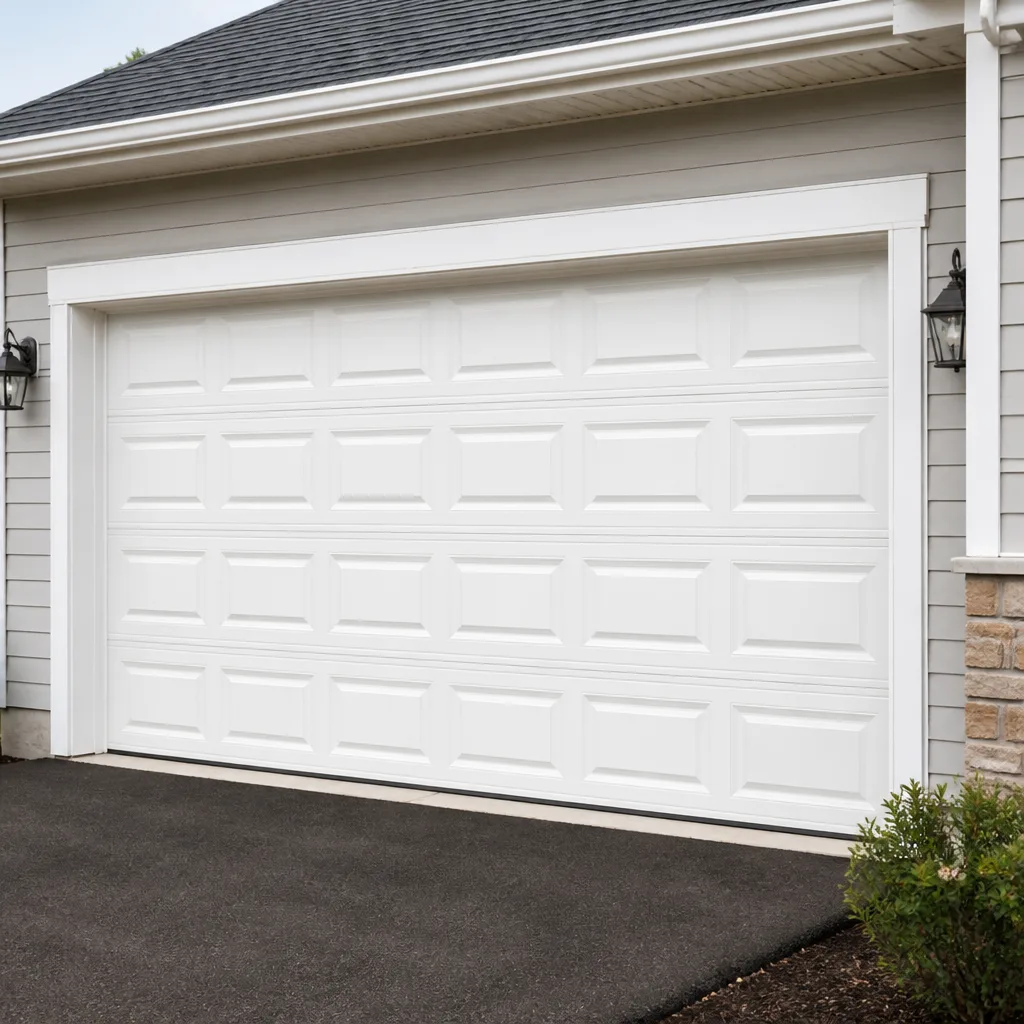 Raised-panel steel
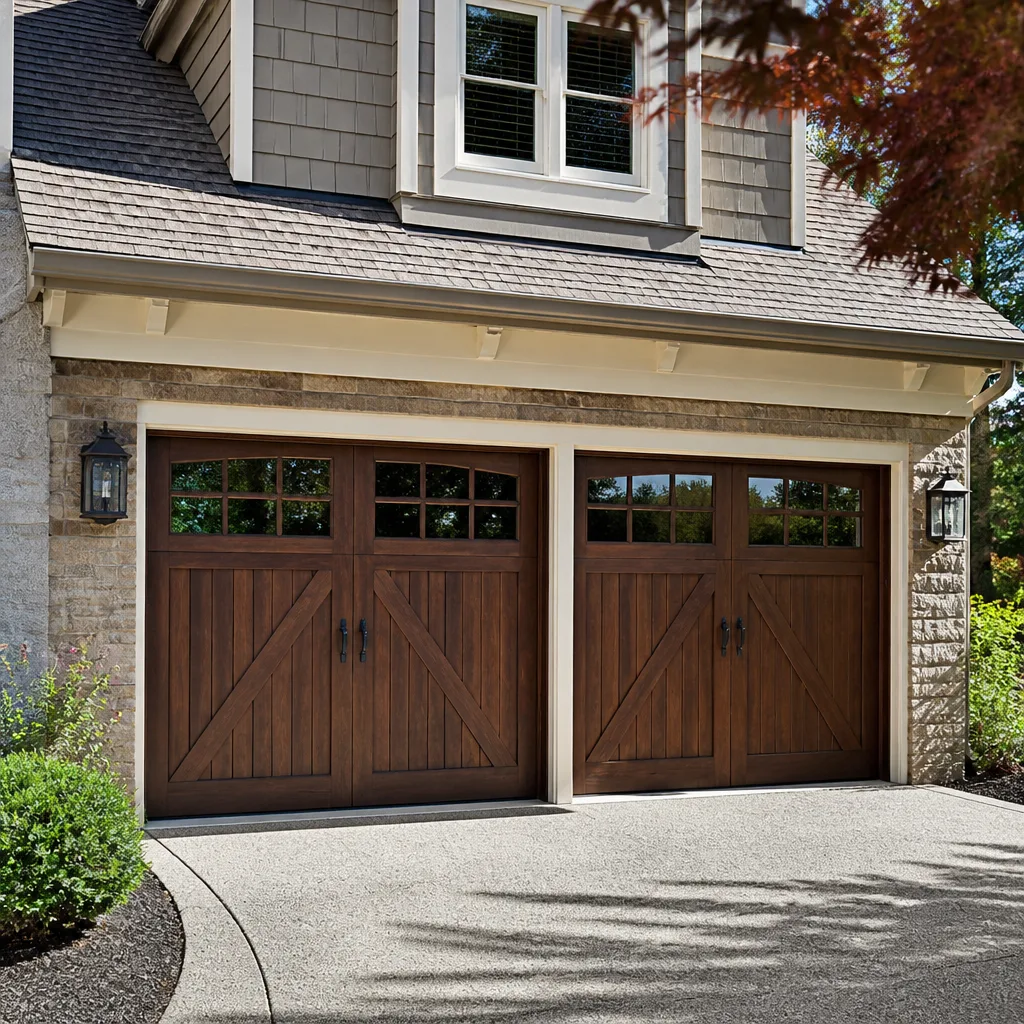 Carriage house
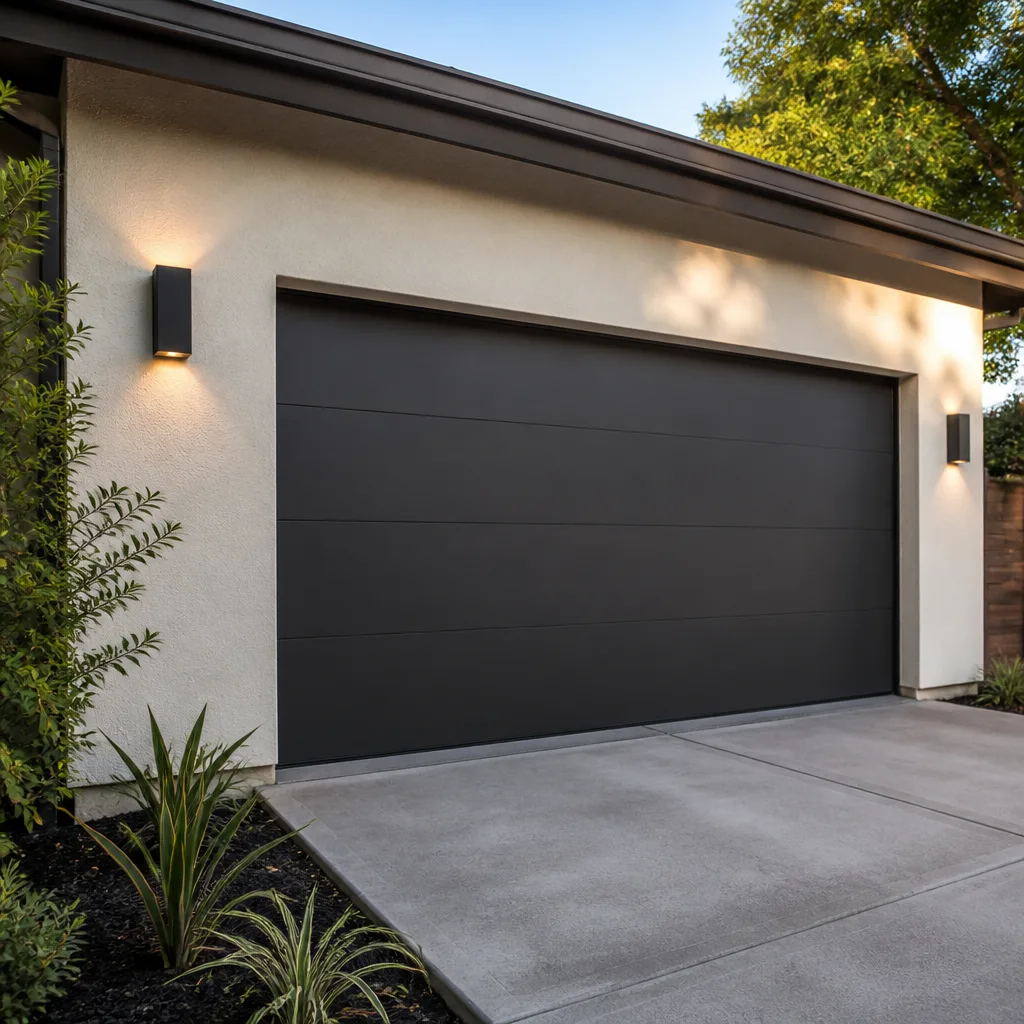 Modern flush
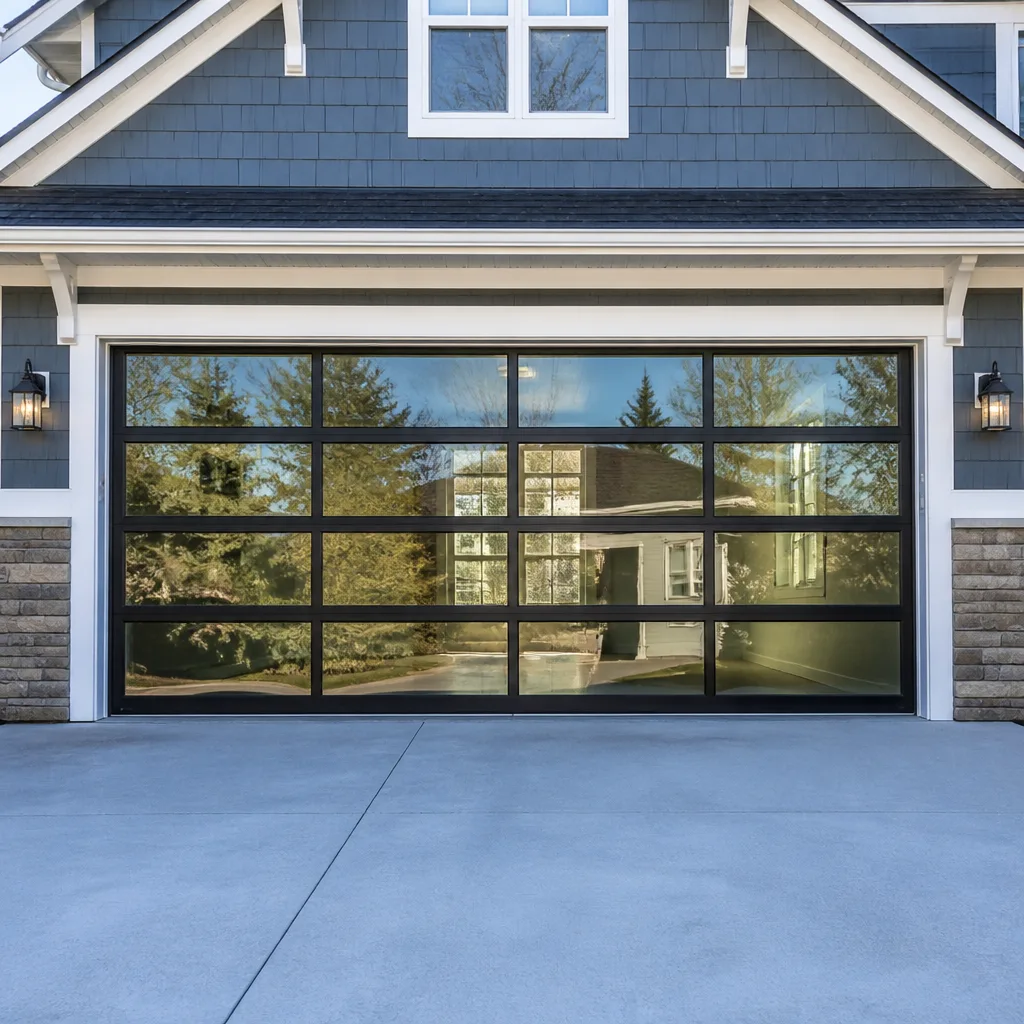 Full-view glass
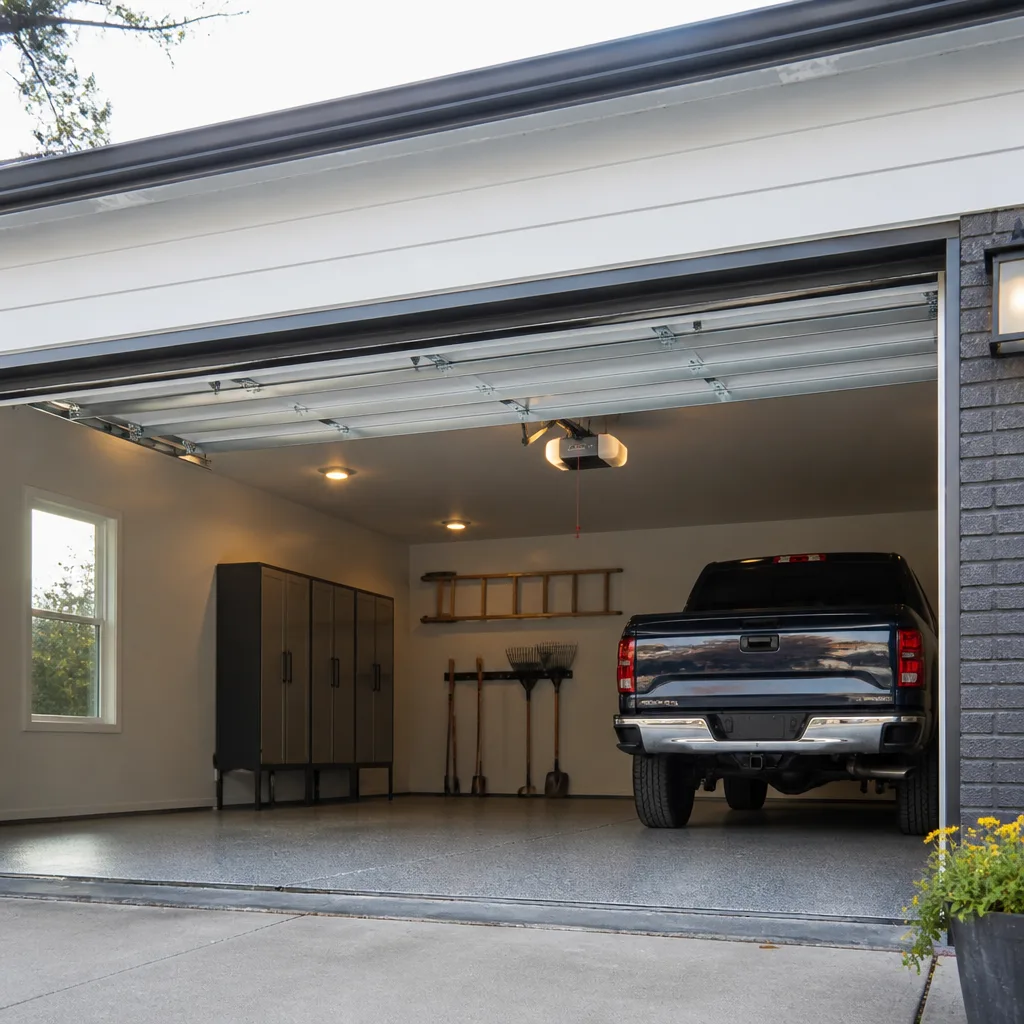 LiftMaster openers
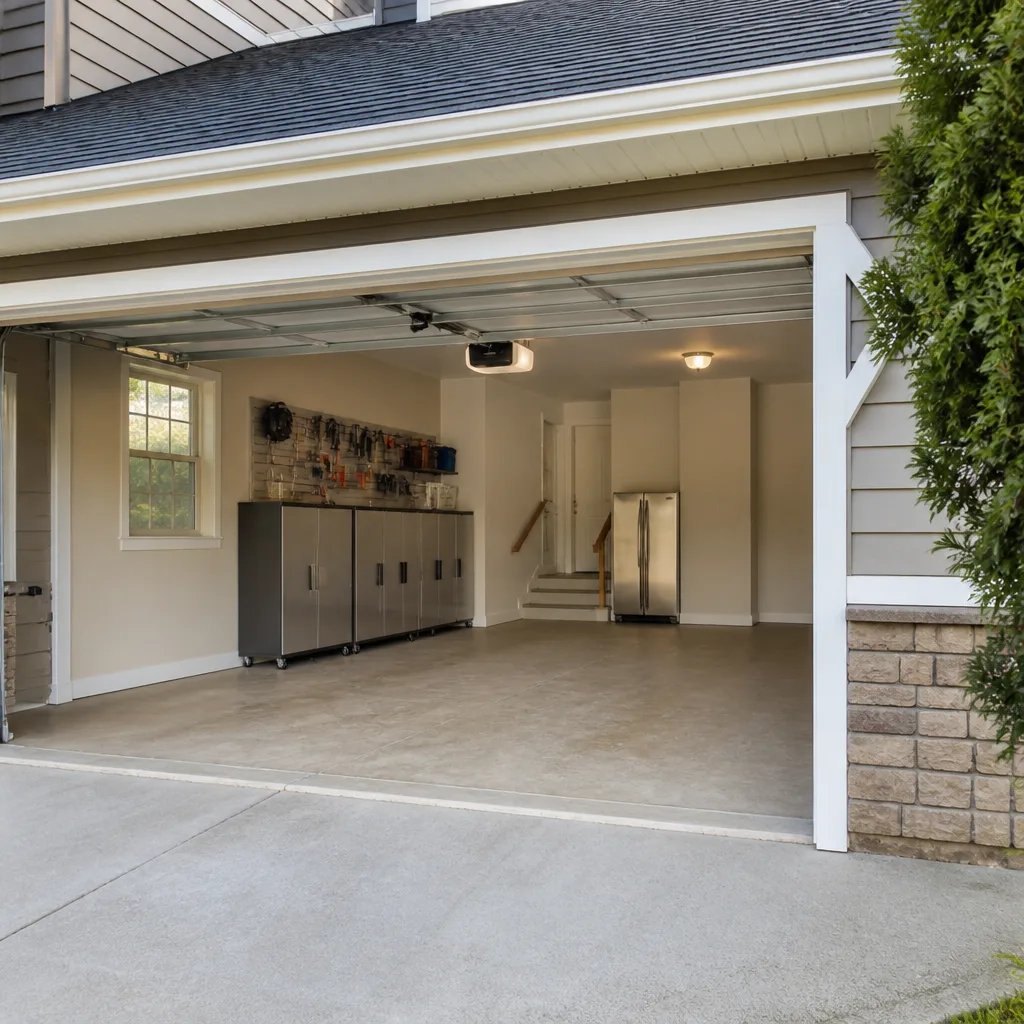 Chamberlain openers
Full 25-point door and opener safety check with every visit - springs, cables, rollers, tracks, and your LiftMaster or Chamberlain opener included
You get a price before we start. It does not change when the truck arrives.
Get your free estimateDIY vs Professional Garage Door: The Spring Valley Homeowner’s Decision Guide
Replacing a garage door opener is a reasonable weekend project. Adjusting a torsion spring is not. The gap between those two tasks is exactly where most DIY garage door injuries happen, because they look similarly approachable until they aren’t. A garage door isn’t one system. It’s three: mechanical, electrical, and structural. Each one carries a different risk profile, and only one of them is genuinely friendly to a homeowner with a socket set and an afternoon. This guide breaks down all three, compares the real costs of going it alone versus calling a specialist, and explains how Spring Valley’s desert heat changes the equation in ways most online tutorials ignore.
Styles & brands we work with
- Raised-panel steel
- Carriage house
- Modern flush
- Full-view glass
- LiftMaster openers
- Chamberlain openers
Quick Answer
In Spring Valley, DIY garage door work is reasonable for cosmetic and simple maintenance tasks – lubricating rollers, tightening bolts, replacing a battery or a remote, adjusting photo-eye alignment, or swapping out a wall-mounted opener button. It is not reasonable, and not safe, for torsion spring, cable, and high-tension hardware work, which is professional-only. And it sits in a risky middle ground for opener replacement, panel swaps, and track realignment, where a careful homeowner can sometimes succeed but a specialist does it faster, safer, and with warranty coverage intact.
Table of Contents
- The Three-System Framework
- Category 1: DIY-Safe Tasks
- Category 2: DIY-Possible With Real Risk
- Category 3: Professional-Only Without Exception
- The Physics of Torsion Spring Tension
- Total Cost Comparison: DIY vs Professional
- How Nevada Heat Changes DIY Work
- What a Failed DIY Attempt Actually Costs to Fix
- Common Mistakes to Avoid
- When to Call a Professional
- Frequently Asked Questions
The Three-System Framework for Spring Valley Homeowners
Before you decide whether to DIY or call a specialist, you need to know which system inside your door you’re dealing with. Every garage door in Spring Valley is made up of the same three layers, and each one has a different risk threshold.
The mechanical system is everything that moves – rollers, hinges, tracks, cables, springs, and the door panels themselves. Most of it is approachable. Some of it, the springs and cables specifically, is genuinely dangerous. The split inside the mechanical system is what trips people up, because the parts look equally ordinary on the outside.
The electrical system is the opener, its wiring, its safety sensors, and its logic board. The lower-voltage, plug-in parts of it (batteries, remotes, wall buttons, sensor alignment) are casual work. Anything involving the high-voltage line feeding the opener, or the logic board inside the housing, should be left alone.
The structural system is the door frame, the mounting hardware, the torsion shaft bar, and the reinforcement plates. Panel replacements and track realignment live here. They’re not as immediately dangerous as a spring, but the work is heavier, more physical, and a realignment that’s off by a fraction of an inch will wear out your rollers over weeks.
In our experience working on doors across the Spring Valley neighborhoods around Rhodes Ranch and the Lakes, most of the “should I DIY this” questions homeowners ask come down to not realizing they’re asking about a mechanical-system task when they think they’re asking about an electrical one. Get the category right before you touch anything.
Category 1: DIY-Safe Tasks (Do These Yourself)
These are the jobs you can reasonably handle. They’re low-risk, require no specialty tools, and if you get them wrong, the worst case is a repeat visit – not an injury.
- Replacing opener batteries and remote batteries. Under 5 minutes. No tools needed. If your remote stops working, battery first, everything else second.
- Lubricating rollers, hinges, and tracks. A can of garage door lubricant and 10 minutes. Do this twice a year in Spring Valley because dust sticks to dry surfaces fast. Do not use WD-40 on the springs; use an actual garage door lubricant.
- Tightening loose bolts on hinges and brackets. A socket set and a careful hand. If a bolt is stripped or a bracket is bent, stop and call.
- Aligning or cleaning safety sensors. The two small photo-eye units at the bottom of the rails should face each other and have a clear line of sight. Wipe them clean, check the indicator light, adjust within the mounting slot. No disassembly of anything.
- Cleaning the door’s panels and weatherstrip. Soap, water, rag. Keeps the door looking right and lets you spot cracks or rust early.
- Replacing a wall-mounted opener button or a remote. New remote pairing is usually a manufacturer-specific button sequence. Most LiftMaster and Craftsman systems have a “Learn” button on the motor housing for this. It’s a five-minute job.
- Unlocking a manual-release cord when the opener fails. The red pull handle hanging from the opener is there for exactly this. Pull it, lift the door by hand, and you’re back on your way while you wait for repair.
None of these tasks will save you a call to garage door repair in the long run, but they’re worth doing yourself, and they’re genuinely safe. What they also do is keep you familiar with your door’s behavior, so you notice when something changes.
Category 2: DIY-Possible With Real Risk
These are the tasks where a careful, mechanically inclined homeowner can sometimes succeed – and where a mistake is expensive rather than immediately dangerous. If you have to ask the question, that’s usually your answer.
- Replacing a garage door opener. A full opener swap means removing the old unit, mounting the new one to ceiling joists at the correct height, hanging the rail, connecting the trolley, wiring the safety sensors, and pairing the new remotes. On a like-for-like replacement of a LiftMaster or Chamberlain unit into an existing rail setup, an experienced homeowner can pull this off in a long afternoon. On a different brand or a different drive type, the mounting geometry usually doesn’t line up, and the job stalls halfway.
- Replacing a single door panel. Panels are heavy and awkward, and matching a replacement to the existing color and profile takes research. Doable on some doors, and a waste of a weekend on others.
- Realigning a slightly off-track door. If a roller has jumped its track on one side and the door is otherwise intact, you can sometimes work it back in. If the door is visibly crooked, has any bent hinge, or the track itself is bent, stop. This is where DIY turns into a bent panel.
- Replacing rollers on a sectional door. With the door fully raised and locked in the open position (never on a tensioned spring), rollers can be swapped one at a time. If you haven’t done it before, the risk is dropping the door.
- Adjusting a limit switch on a legacy opener. Older analog openers have physical travel-limit screws on the housing. Adjusting them is safe but fiddly, and getting it wrong means the door slams or reverses early.
The pattern here is that “possible” isn’t the same as “sensible.” If your time is worth anything, most of these jobs make more sense when a specialist with the right tools just gets it done.
Category 3: Professional-Only Without Exception
These are the jobs that should never get a DIY attempt, no matter how many videos you watch.
- Torsion spring replacement or adjustment of any kind. Full stop. This is the single most dangerous job in residential garage door work, and the reason is covered in the next section.
- Extension spring replacement. Less dramatic than torsion springs but still stored energy. Same rule applies.
- Cable replacement or re-spooling. Cables are under the same tension as the springs. A released cable moves fast enough to cause serious injury.
- Anything involving the torsion shaft or center bearing plate. Structural hardware on the spring system.
- Work on the high-voltage wiring feeding the opener. This is an electrician’s scope, not a garage door job. If you need a new dedicated circuit run, that’s a licensed electrician’s call, not ours and not yours.
- A door that has completely come off its tracks after a strike or a car bump. The stored tension plus the weight of a full panel make this a same-day professional job. Spring Valley garage doors see a lot of heat-related track flex, and a door that’s walked out of the tracks is not going back in with a pry bar.
If you’re in a Spring Valley home and you’re not sure which category a task falls into, the safest assumption is that it’s in this one. We never talk a homeowner out of an easy job. But we’ve had a lot of conversations where someone calls us after the fact wishing they’d called us first.
The Physics of Torsion Spring Tension, Explained Plainly
A torsion spring is a coiled steel bar wrapped around a shaft above your door. When your door is closed, the spring is fully wound. When the door opens, the spring unwinds and hands off its stored energy to lift the door. The reason it looks harmless is that it’s sitting still and it’s the size of a paper towel roll. The reason it isn’t harmless is the amount of energy it’s holding.
A residential torsion spring, on a typical Spring Valley two-car door, stores enough energy to lift a small car. It’s not just “tension” in the way a bungee cord has tension. It’s the kind of stored force that snaps when a winding bar slips, or when the set screws come loose while you’re winding it, or when the spring’s corrosion failure happens at exactly the wrong moment. Amateur spring work is the leading cause of serious residential garage door injuries, and the injuries happen in a specific pattern: hands and wrists, then face.
The reason the physics matters is that the danger isn’t visible. A snapped extension spring has an obvious dangling end. A torsion spring failure is silent until the moment it lets go. And the winding process – where you use two steel bars to turn the spring to the correct tension – requires both bars to be held in sequence, at the correct angle, with the correct tension reference. That’s a specific technique, and it’s not one a video can convey.
If you take one thing from this guide, take this: never attempt to wind, unwind, adjust, or remove a torsion spring yourself, no matter what kind of door you have, no matter which manufacturer built it, and no matter how much time you have on a weekend. This is where a garage door specialist earns their fee, and it’s where a home-improvement generalist shouldn’t be either. If you’re not sure whether you have a torsion spring or an extension spring, that’s the point where you call a specialist to look. Grafton Garage Door Repair handles spring work in Spring Valley and can walk you through what you’re looking at before anything gets touched.
Total Cost Comparison: DIY vs Professional
The real cost of DIY is almost never just the part. It’s the part plus the tools, the disposal, the warranty you give up, and the time you don’t get back. Here’s how the two columns actually compare for Spring Valley homeowners.
Tools and Supplies
- DIY garage door work needs a lot of specialty items: a pair of torsion winding bars (properly rated – not screwdrivers), a 1/2-inch torque wrench for spring set screws, garage door lubricant, an impact driver, a stud finder, and drilling hardware for mounting permits. Spring Valley tool rental prices run in the same neighborhood as buying the tools outright once you factor in the drive and the rental minimum, and the tool rental yards in the area don’t stock winding bars for safety reasons.
- A specialist already has all of it. The tools travel with the technician. There’s no rental line item, no purchase, no disposal.
Parts Availability
- Retail parts are mostly universal-fit. That works for a light bulb or a remote, and struggles badly for torsion springs, cables, and specific opener gear kits. Spring Valley’s big-box hardware stores carry a small set of common spring sizes, and if your door doesn’t match one of them, you’re waiting on a special order.
- Trade channels carry brand-matched parts. We work with the actual manufacturer systems – Wayne Dalton, LiftMaster, Craftsman, Raynor, and the rest of the eight brands we cover – so the part fits the door it was designed for. A universal-fit spring on a door that isn’t matched to it changes how the door closes, how it wears, and how your opener works.
Warranty Implications
- Most manufacturer warranties on doors and openers are conditioned on professional installation. A LiftMaster or Chamberlain opener installed DIY voids the manufacturer’s labor warranty, and often its parts warranty too. That’s a real number over the life of the door: an opener that would have been covered for years becomes your repair cost on day two.
- Professional installation preserves the manufacturer warranty. It’s not marketing language in this trade. The brand manufacturers require it, and the coverage is real.
Time
- A DIY spring job is often two weekends. One to work up the nerve, one to finish, and one more if the first attempt didn’t go. A DIY opener replacement is usually a full day at best.
- A professional job is a single scheduled visit. Free measure, written price up front, and the work done. The written estimate is the price – there’s no surprise invoice.
The dollar comparison usually ends up closer than a homeowner expects, once the tool cost, the second part purchase after the first attempt, and the warranty hit all land on the tally. For a broader look at what Spring Valley work actually runs, our Spring Valley page covers it.
How Nevada Heat Changes DIY Work in Spring Valley
Summer work on a Spring Valley garage door is a different job than the same work in a place that cools off in the evening. There are three real effects, and they compound.
First, the space. A closed-in garage in Spring Valley in the middle of summer traps heat in a way that an outdoor job doesn’t, because the slab absorbs heat all day and releases it back into the enclosed space. Conductive heat plus a lack of airflow means an afternoon project turns into heat-stress territory fast. It’s not a hypothetical risk on a job that needs an hour already; it’s a real one.
Second, the hardware. Metal expands in the heat, and a torsion spring, a track, and a door panel all expand at different rates. Adjusting a track or a spring on a door that’s the wrong temperature means the “correct” adjustment at 2pm won’t be correct at 10pm, and the door will bind or wear unevenly. A specialist schedules spring and track adjustment work around this, which is why it’s measured on the visit, not guessed over the phone.
Third, judgment. Heat stress lowers your ability to spot the small warning signs – a catching hinge, a track that’s flexed slightly, a spring bracket with a loose bolt. The tasks in Category 1 are fine any time because the consequences of a miss are small. The tasks in Category 2 are where heat-plus-judgment becomes a genuine problem, and that’s the argument for doing the work in the cooler part of the morning, or handing it to someone for whom the temperature is not a variable.
None of this is a warning away from DIY work in Spring Valley. It’s a specificity that most articles skip because they aren’t written here. The category framework still holds: safe tasks are safe any time, risky tasks have a timing question on top of them.
What a Failed DIY Attempt Actually Costs to Fix
Here’s the pattern we see in Spring Valley: DIY that stalls is not usually a broken part. It’s a half-disassembled door or a door that’s back on the track but not correct. Those are the calls.
The most common ones, from what specialists actually get called out to after a homeowner has tried:
- A door that’s been re-hung on a bent track after a jumped roller. The realignment looked fine but the roller carriage is damaged. The remediation is a full track and roller replacement, which is more hardware than the original repair would have needed.
- An opener that’s mounted but won’t finish its travel. The limit switch was set by eye rather than by the manufacturer’s procedure, and a section of the trolley has been running against the stop. The opener’s gear assembly gets replaced, and sometimes the whole unit does.
- A door that’s been “fixed” with a spring of the wrong rating. The door oscillates or reverses on the way down. New correct springs, plus a re-balance, plus a look at the wear the wrong spring put on the hinges.
- A wall-mounted opener with crossed low-voltage sensor wiring. The opener trips on its own safety check. Remediation is a quick sensor rewire once we’re out, but the caller has usually been dealing with it for a week.
- A door that’s stuck fully open after an attempted winding job. This is the one that turns an ordinary repair into a priority visit. The door is above the car, the car can’t come out, and there’s stored tension in a spring that’s now in an unknown state.
The reason a failed DIY attempt costs more than the original quote isn’t that specialists charge a premium to untangle a mess. It’s that the scope grows. You’ve added repair work to the original repair, and that’s what the written estimate reflects when we get there. The price is quoted and agreed before any work starts, and for the tasks in Category 3, the number to beat isn’t a few hours on a Saturday. It’s your hands.
If you’ve already started a repair and you’re not sure where it stands, call garage door opener repair before doing anything else. It’s a much shorter conversation than the alternative.
Common Mistakes to Avoid
- Using a screwdriver in place of a winding bar. It looks like it fits and it does not. The screwdriver bends or slips and the spring releases with your hand still on it. This is the most common and most dangerous mistake in the trade.
- Working on a spring without locking the door in place. The door needs to be fully raised and locked, or fully lowered and locked, before any hardware work. A door that drops while you’re under it isn’t a small problem.
- Buying a universal spring for a door that needs a matched one. Spring Valley retail stores stock a small set of sizes; if yours isn’t one, a universal-fit spring will sit wrong and wear out the rest of the door.
- Replacing a LiftMaster or Chamberlain opener without checking the rail geometry. The new unit’s rail height and hang point don’t always match, and mid-install you discover the ceiling joists aren’t where they need to be. Measure first.
- Doing a spring job in the garage on an afternoon in July. Spring Valley summers make the space genuinely hot, and the work already needs steady hands. Cooler part of the morning, or a specialist.
- Turning up the opener’s force setting to fix a binding door. If the door is binding, the springs or the track are the problem, not the opener. Raising the force setting lets the opener push through the bind and strains the motor and the door hardware. That’s how you turn a $200 repair into a $700 one.
- Assuming a warranty covers a DIY install because the parts came with one. Most manufacturer warranties on doors and openers are conditioned on professional installation, which is a call we don’t make and the manufacturer does.
When to Call a Professional
Call a professional the moment any of these are true: the door won’t balance, is visibly crooked, has a snapped or stretched spring, has a cable off its drum, has come out of its tracks, or reverses unpredictably. Same for a door that the opener is straining to lift – that’s a mechanical problem the motor is masking, and adjusting the opener to compensate doesn’t fix it. Call if you’ve started a repair and stalled, or if the work you’re considering is anywhere near the spring system. Call if the manufacturer is outside the eight brands we work with and you want to know whether the part is available before you spend the weekend on it. And call if you simply want the job done, once, on a single visit.
Grafton Garage Door Repair offers free estimates in Spring Valley. We work on garage doors and only garage doors, so the diagnosis is fast, the parts are matched to the door, and the price is quoted and agreed before any work starts. Call (877) 373-8712. We answer 24/7. Fast dispatch from 7am to 7pm, Sunday through Friday.
Frequently Asked Questions
Yes, if you’re replacing a like-for-like opener (same brand, same rail configuration, same drive type) and the mounting hardware lines up. If the new opener is a different brand or drive type, or the ceiling joists aren’t where the old unit hung, the install typically stalls partway. A professional handles the swap in one visit, preserves the manufacturer warranty, and doesn’t leave you with a disconnected door.
Spring repair in Spring Valley is quoted per job by a written estimate, and the number depends on the spring type, the door weight, and how many springs are being replaced – torsion springs are usually replaced as a matched pair because they wear at the same rate. Call (877) 373-8712 for an exact quote. Estimates are free.
No. Torsion springs and extension springs hold stored energy that can release without warning, and the winding process requires specific tools and technique. This is the one job in residential garage door work that should always go to a trained professional, no matter which manufacturer built the door. If you’re unsure what type of spring you have, don’t touch it; call a specialist to look.
In most cases, yes. Manufacturer warranties on garage door openers are typically conditioned on professional installation, and a DIY install voids them or limits them. That’s a manufacturer rule, not a service policy. If warranty coverage matters to you, have the opener installed by a specialist.
For repair work in Spring Valley, same-day service is often possible when you call early. We answer 24/7 and dispatch from 7am to 7pm, Sunday through Friday, closed Saturday. A call outside dispatch hours is booked into the next opening. Call (877) 373-8712 to get on the schedule today.
We work with LiftMaster, Chamberlain, Genie, Clopay, Amarr, Wayne Dalton, Craftsman, and Raynor, which covers most of the doors and openers installed across Spring Valley. Brand-matched service matters because the correct part fits the door it was designed for, and it preserves the manufacturer warranty. If your brand isn’t on the list, call and we’ll tell you honestly whether we can help.
The Bottom Line
The DIY vs professional decision isn’t about confidence, and it isn’t about saving money. It’s about correctly identifying which of the three systems inside your garage door you’re dealing with. Lubricating rollers, aligning photo eyes, and replacing batteries are safe and worth doing yourself. Winding a torsion spring is not, on any door, ever, and that isn’t a marketing position – it’s the physics of stored energy. Opener replacement and panel swaps sit in between, where a careful homeowner can sometimes win and a specialist always will, with the warranty intact and the price set before the work starts. For the jobs where the risk outweighs the savings, or for a door that needs a real diagnosis, call (877) 373-8712. Estimates are free, the written quote is the price, and we only work on garage doors.
Written by the team at Grafton Garage Door Repair, serving Spring Valley since 2013.
See the difference
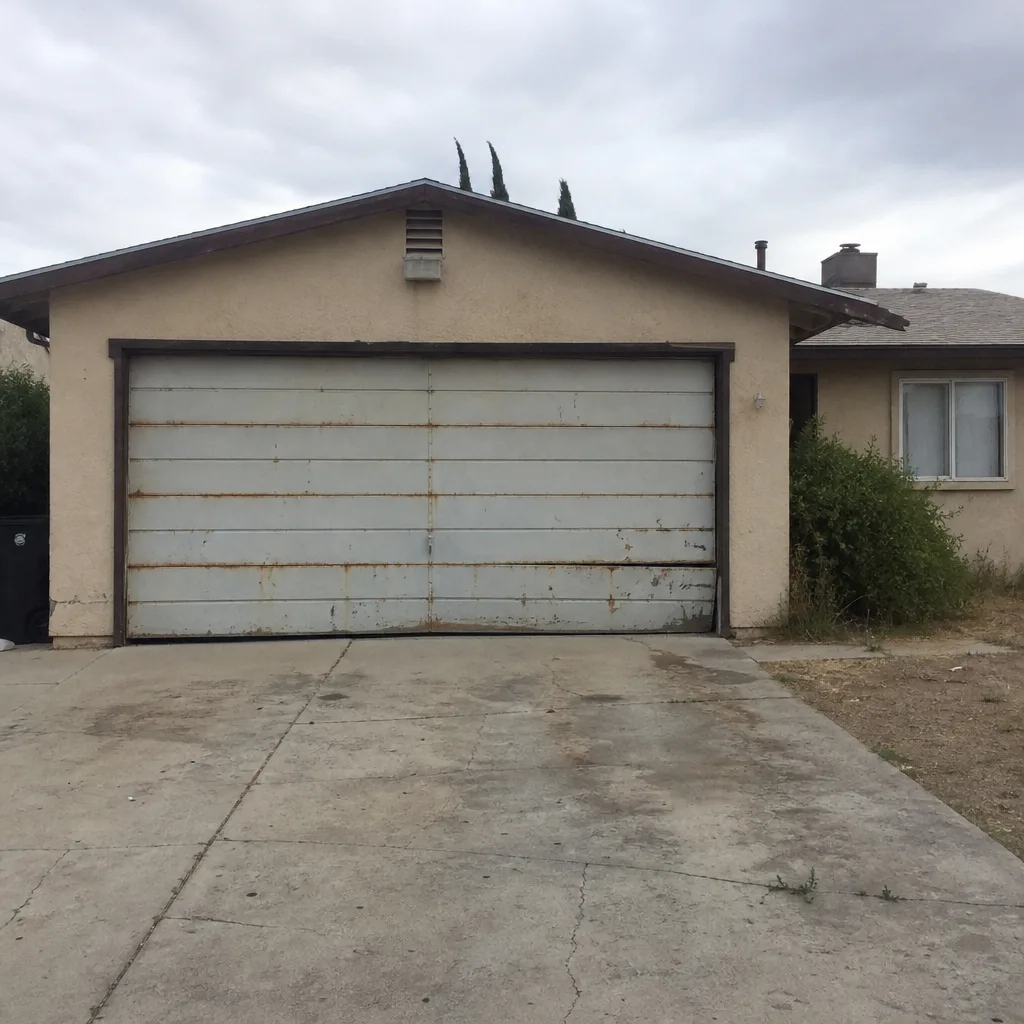 Before
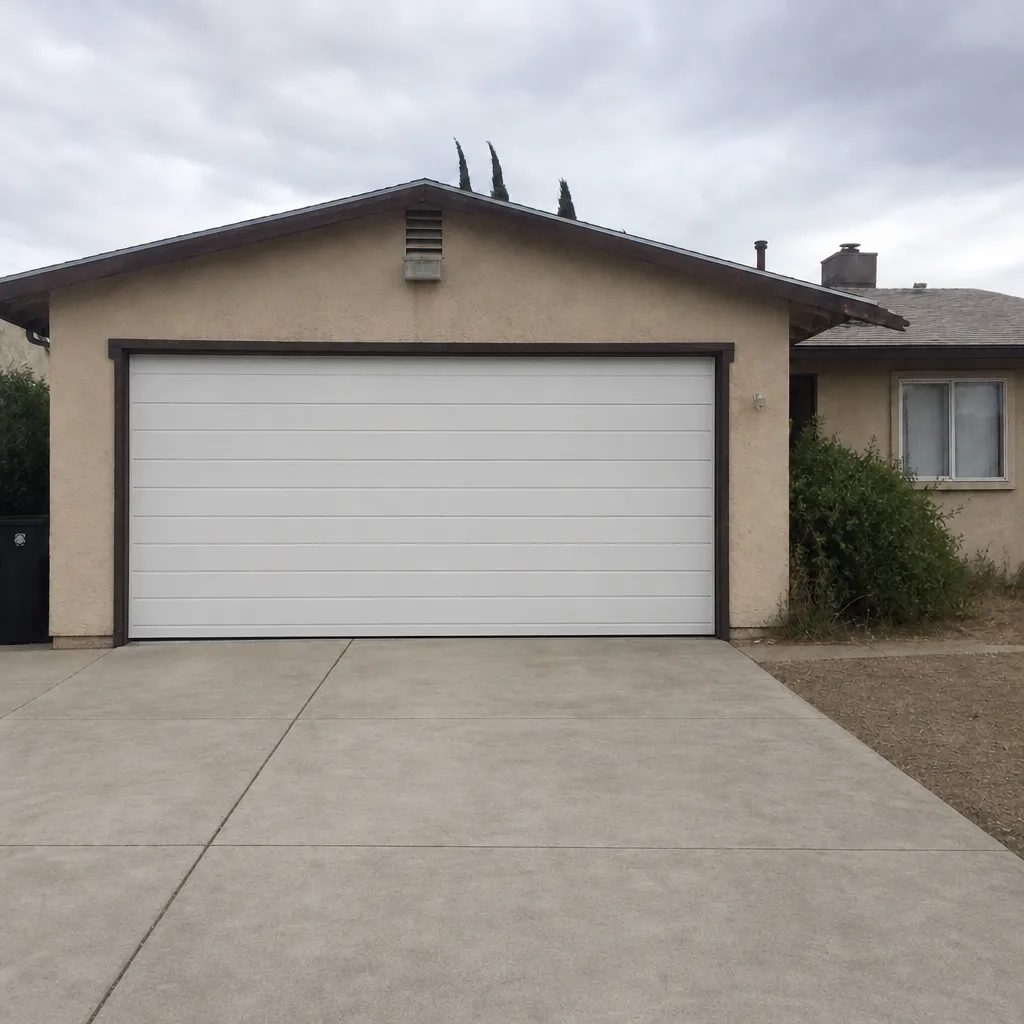 After
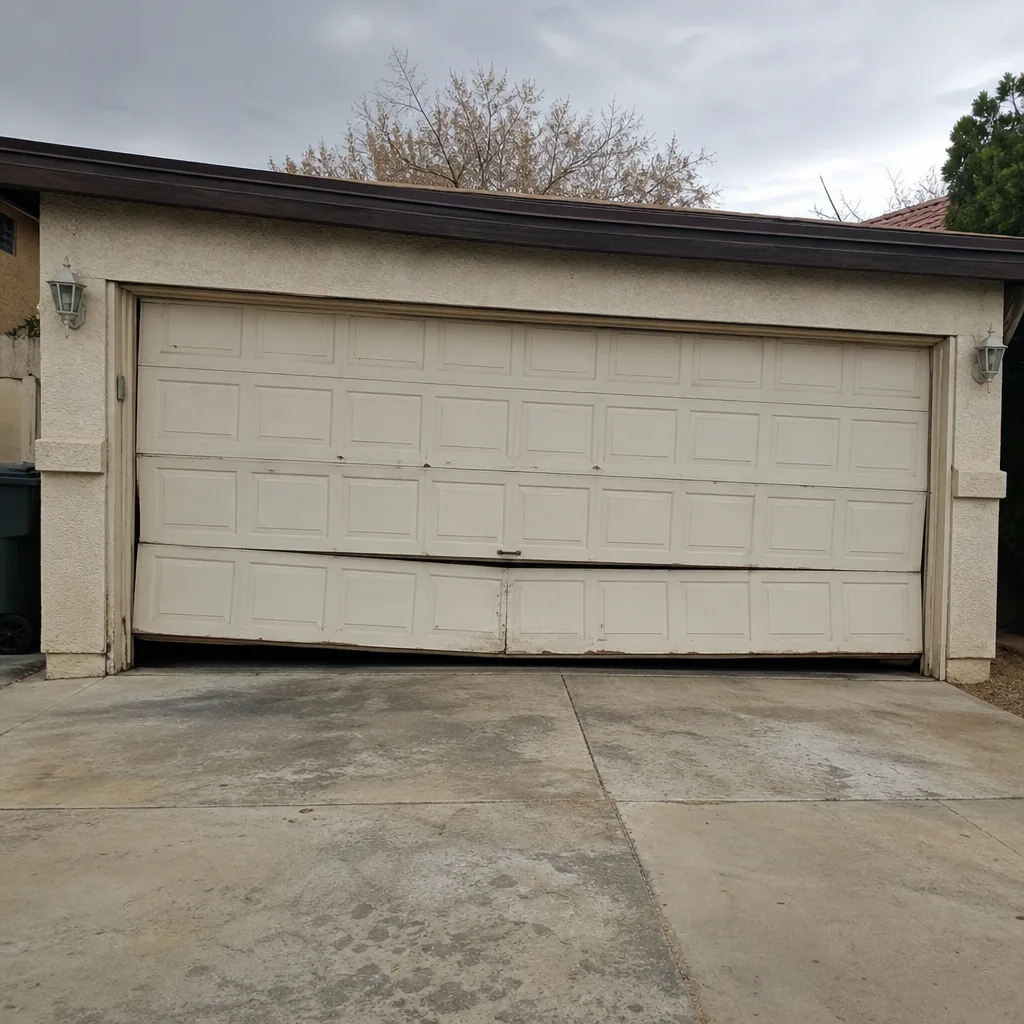 Before
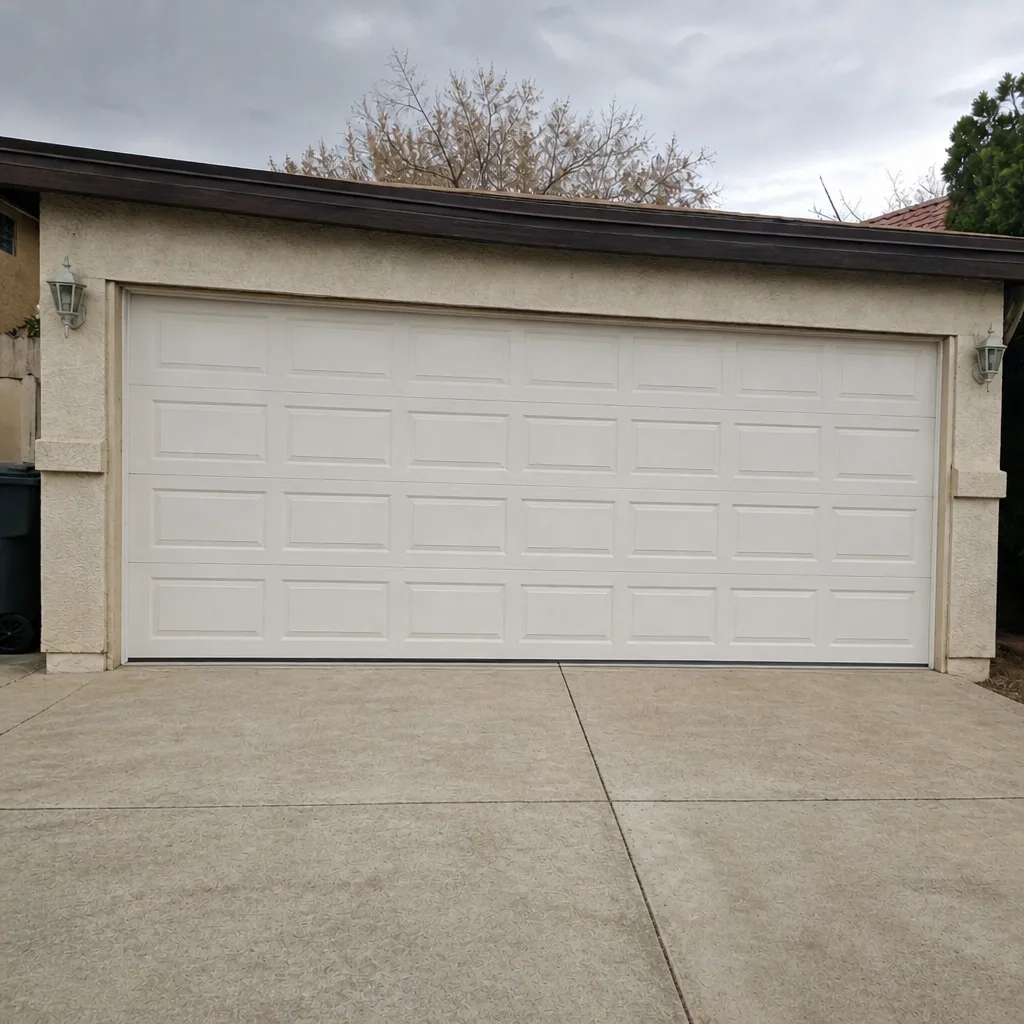 After
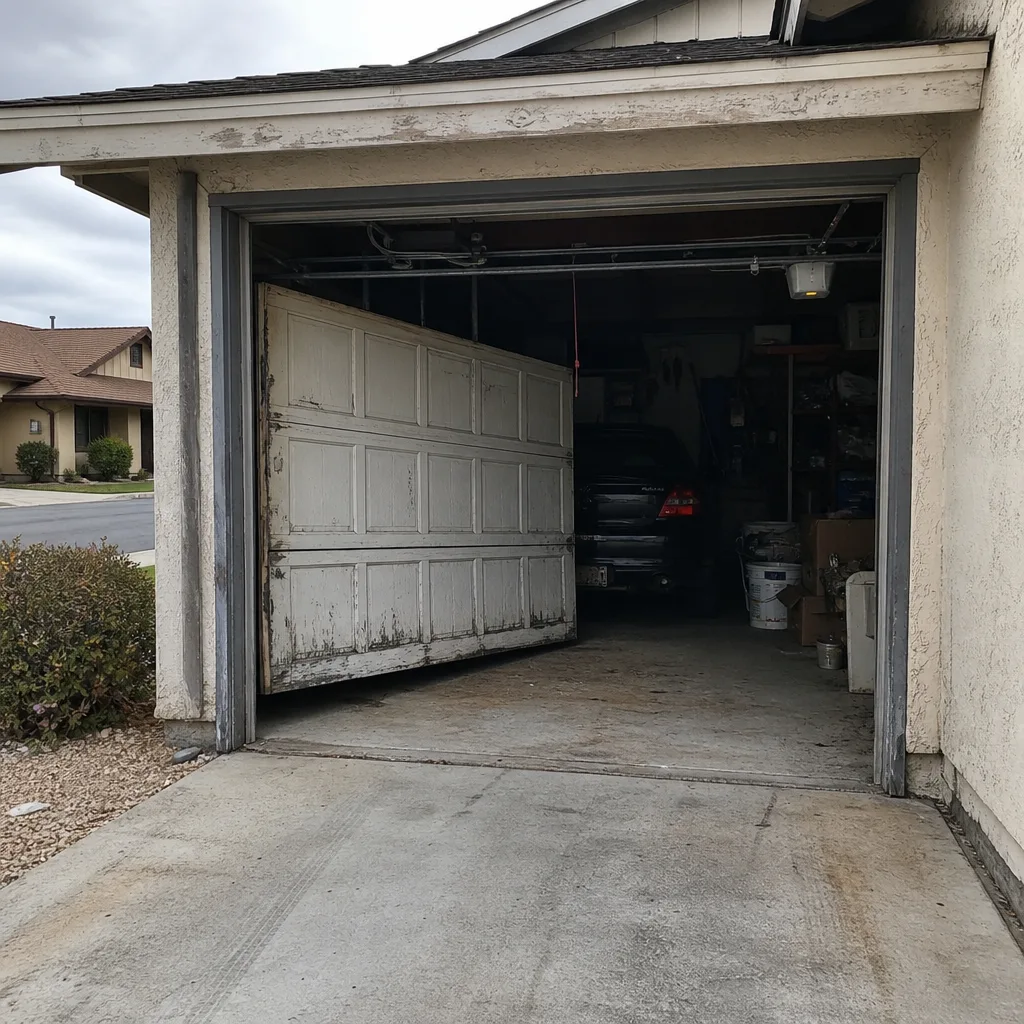 Before
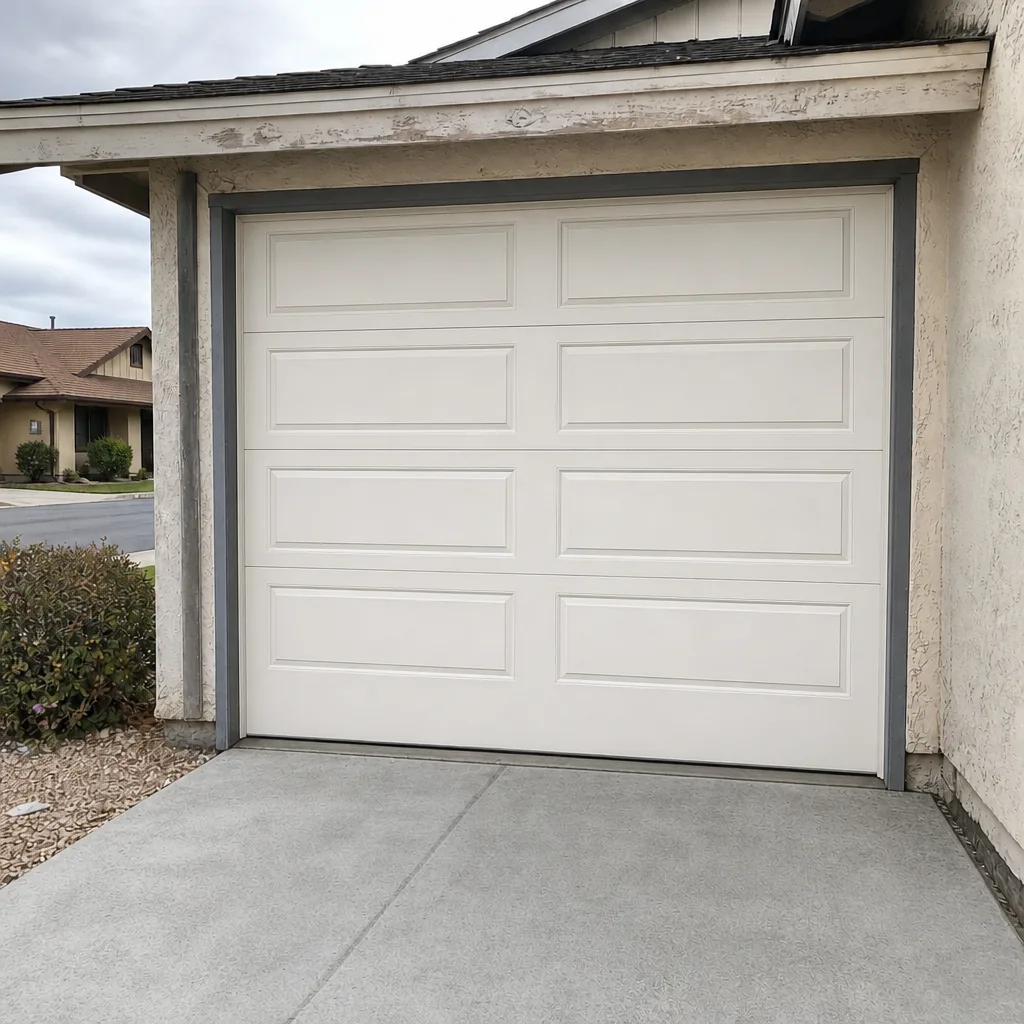 After