
Last updated November 14, 2026
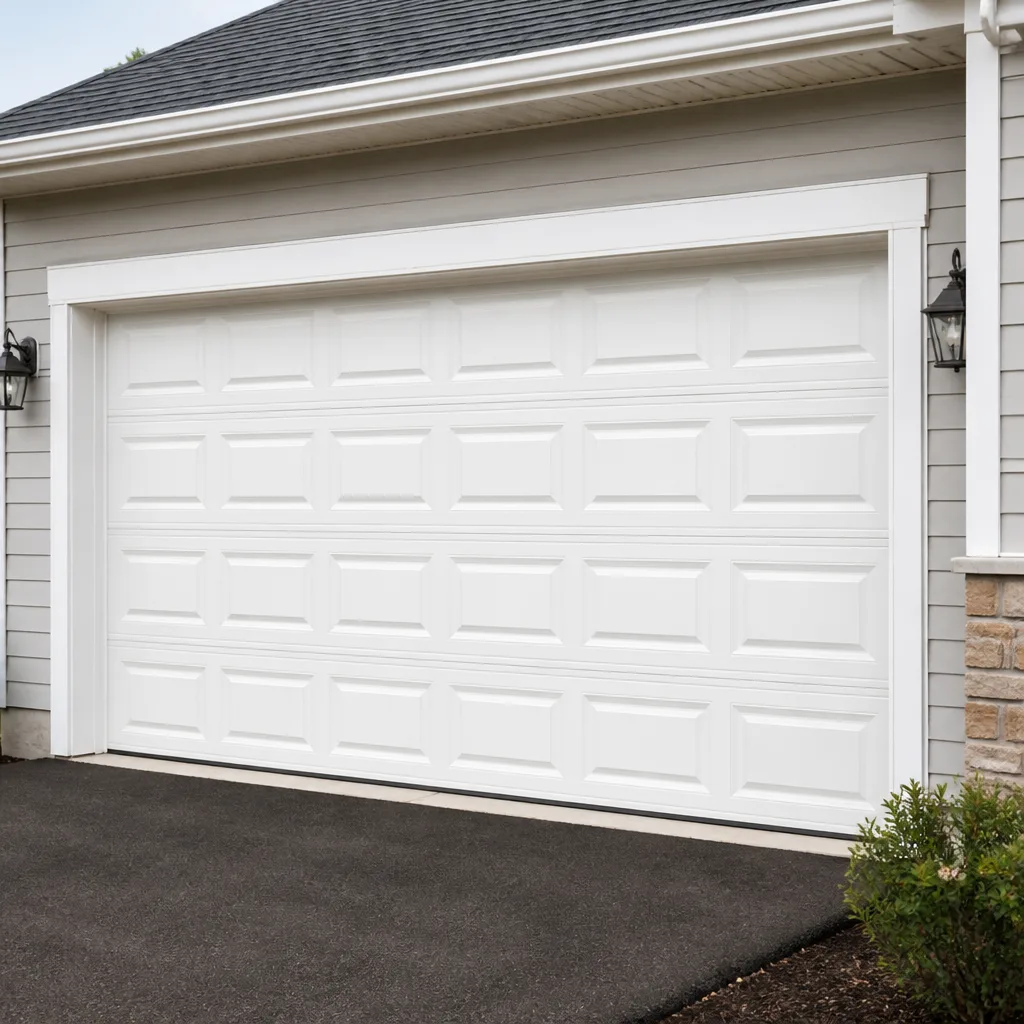 Raised-panel steel
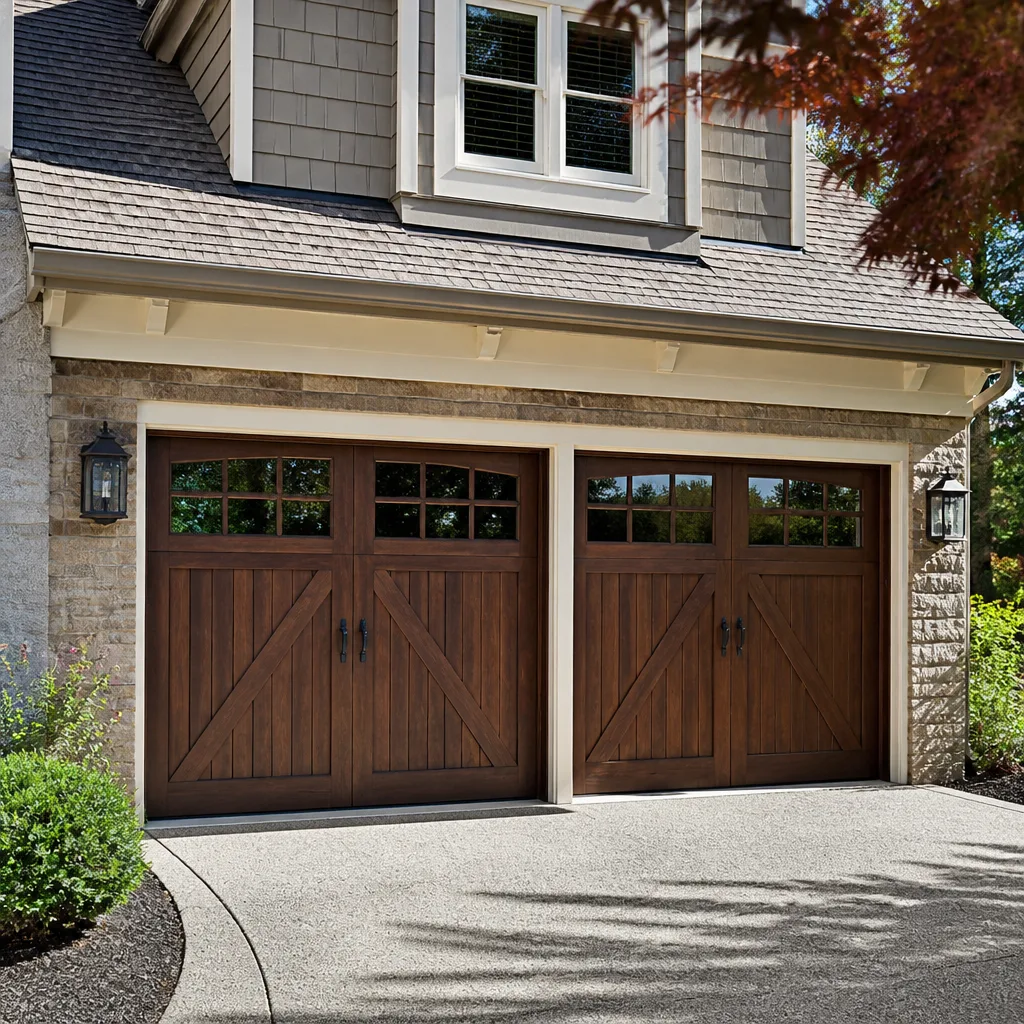 Carriage house
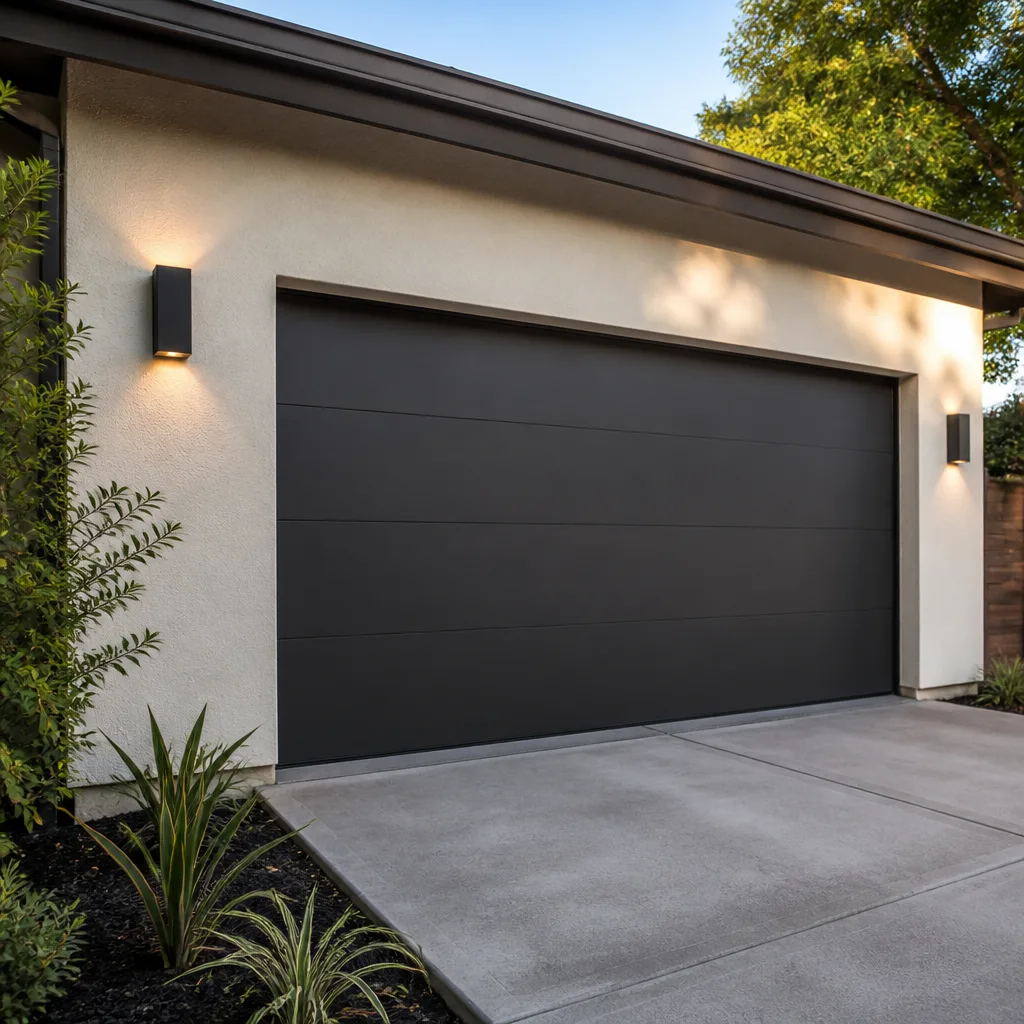 Modern flush
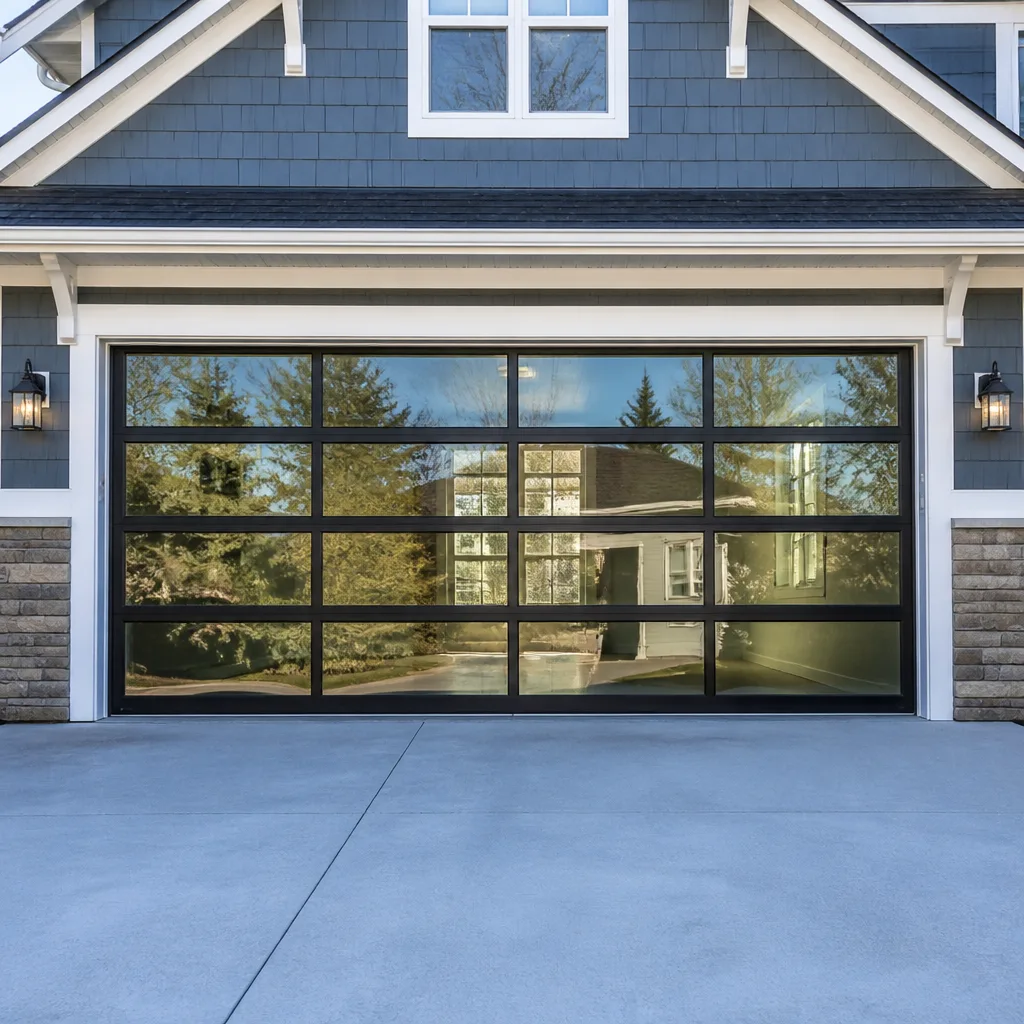 Full-view glass
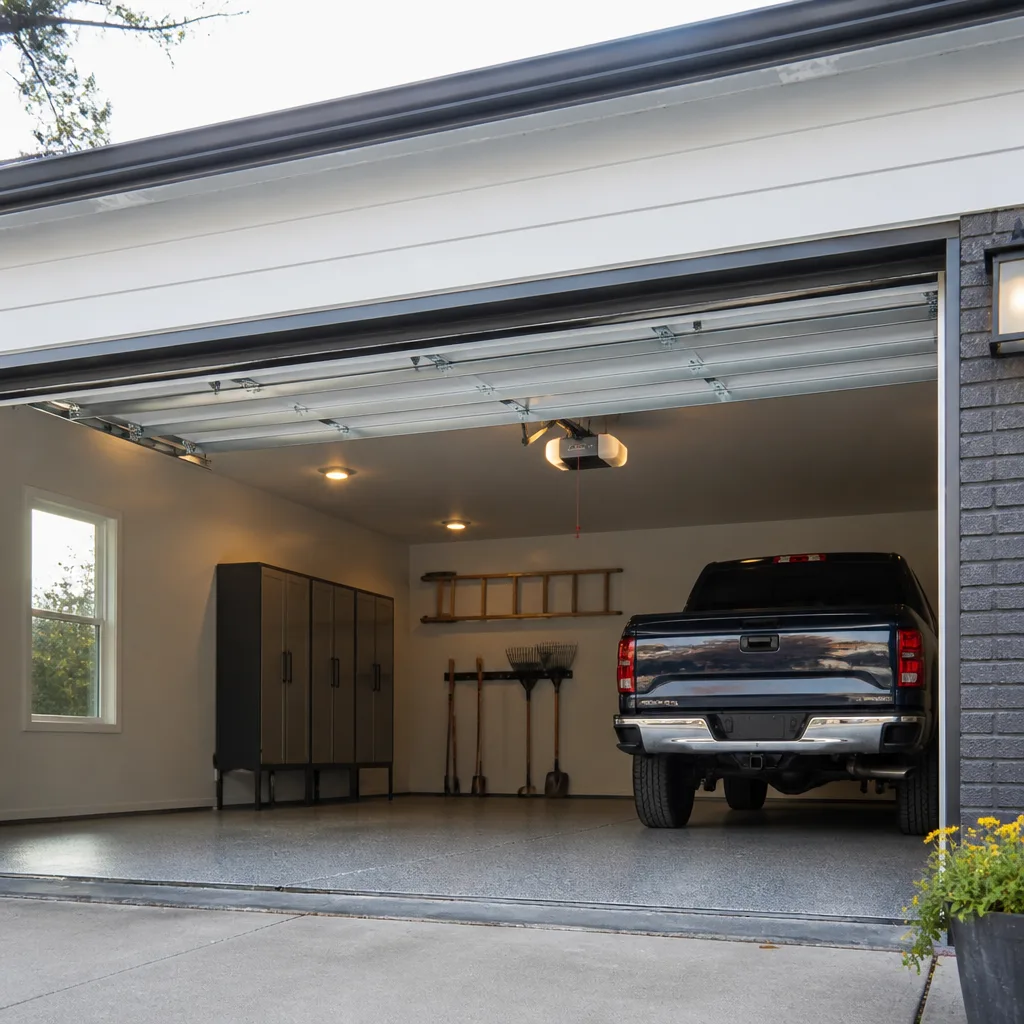 LiftMaster openers
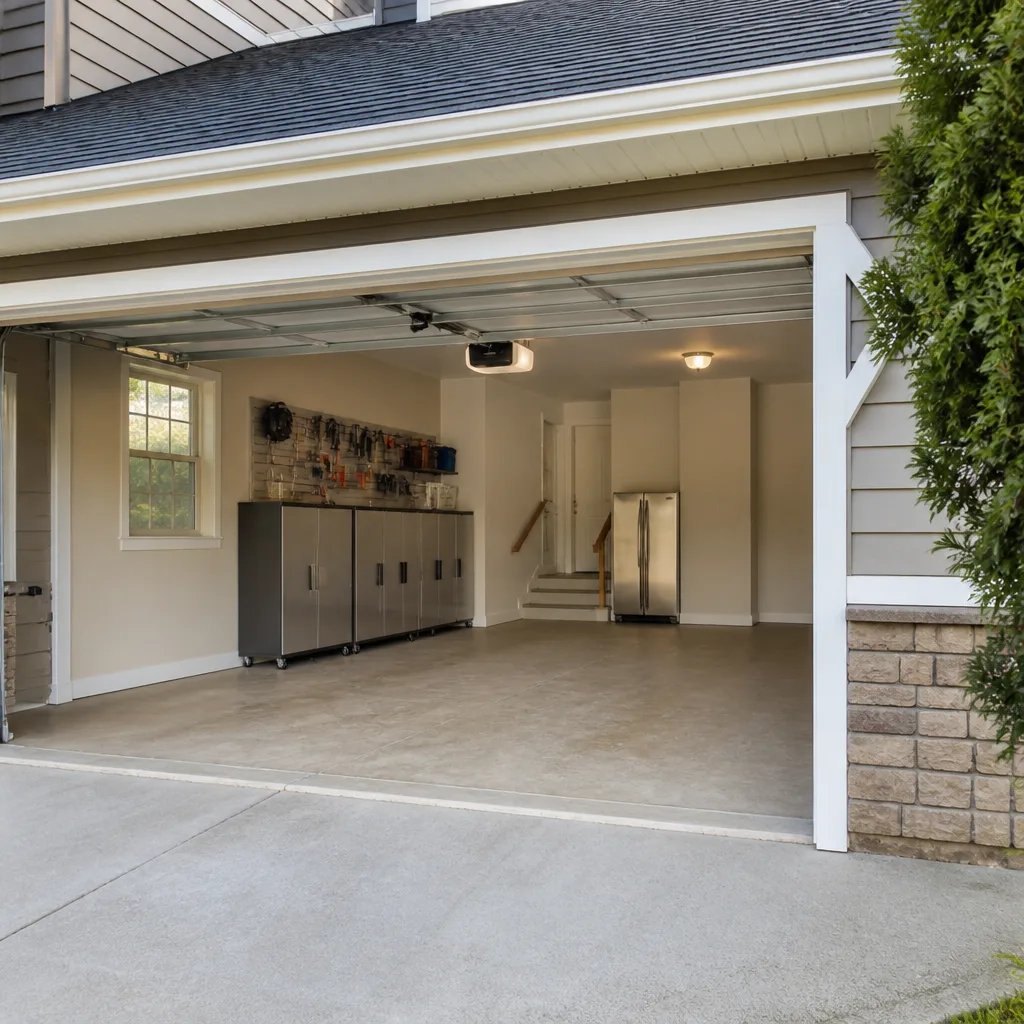 Chamberlain openers
Full 25-point door and opener safety check with every visit - springs, cables, rollers, tracks, and your LiftMaster or Chamberlain opener included
You get a price before we start. It does not change when the truck arrives.
Get your free estimateGarage Door Emergency Preparedness Guide for Spring Valley Homes
Most Spring Valley homeowners think a garage door emergency is bad luck, something that strikes at random and leaves you improvising. That’s not how it usually goes. These failures fall into a handful of predictable categories: a door stuck open when the power drops during a summer monsoon, a snapped torsion spring with the car trapped inside, a panel bent by wind-driven debris, an opener that stops mid-cycle with the door half open. Each one has a specific response that protects your car, your home, and your wallet. This guide walks you through those protocols before you need them, so the next time something goes wrong in Spring Valley, you’re reacting from a plan instead of panic.
Quick Answer
A garage door emergency is usually manageable if you stay calm and follow the right sequence: secure the opening first, keep people and vehicles clear of the door, and call a specialist who can identify whether the problem is mechanical (springs, cables, tracks) or electronic (opener, sensors, remote). In Spring Valley, the most common emergencies we’re called for are broken torsion springs, power outages that leave a door stuck, and off-track doors after wind or impact. Most of these can be fixed the same day when you call early. Call (877) 373-8712. We answer 24/7. Fast dispatch from 7am to 7pm, Sunday through Friday, and the price is quoted in writing before any work starts.
Styles & brands we work with
- Raised-panel steel
- Carriage house
- Modern flush
- Full-view glass
- LiftMaster openers
- Chamberlain openers
Table of Contents
- The First Ten Minutes: What to Do Before You Call Anyone
- The Manual Release Cord: What It Does and What It Doesn’t
- Power Outage Protocol for Spring Valley Summers
- Broken Spring Scenario: Protect the Door, the Opener, and the Car
- How to Temporarily Secure a Door That Won’t Close
- Information to Have Ready Before You Call
- Preventive Checks That Head Off Most Emergencies
- How Spring Valley Conditions Affect Your Door
The First Ten Minutes: What to Do Before You Call Anyone
The opening minutes of a garage door emergency decide whether you’re dealing with a repair or a replacement. A door that’s left cycling under a broken spring, or pulled on while it’s off its tracks, can turn a two-hundred-dollar fix into a much bigger job. What you do in the first ten minutes matters more than what you do in the next hour.
Here’s the sequence that works, whether you’re in an older neighborhood off Rainbow Boulevard or a newer build near the 215:
- Stop operating the door. Don’t hit the wall button again to “see if it works this time.” If the opener keeps pulling against a jammed door or a broken spring, the motor or the gear assembly can fail alongside the original problem.
- Keep everyone clear of the door. A door under spring tension can drop suddenly. Keep kids and pets out of the garage, and don’t stand directly under a door that’s hanging open.
- Assess the door’s position. Is it fully closed, fully open, half open, or hanging off one track? This single detail tells the technician most of what they need to know before they arrive.
- Look before you touch. A snapped spring, a frayed cable, or a bent track are all visible. Note what you see, but don’t try to straighten, lift, or wrestle anything into place.
- Secure the opening if the door is open. If the door is stuck up and you need to leave the house, treat that opening the way you would an open front door.
- Call with the details. The position, what you saw, and your door’s brand all cut diagnosis time on the phone. For a mechanical failure, that’s garage door repair territory, and a technician can usually arrive with the right parts in hand.
The one thing we’d ask you never to do: never try to move, lift, or “help” a door that’s under spring tension or hanging off its track. Torsion springs and the cables they control hold enormous force. The door is a machine, and the safest thing you can do is leave the machine alone and call a trained professional.
The Manual Release Cord: What It Does and What It Doesn’t
The manual release cord is the red-handled rope hanging from the opener’s trolley. Pulling it disconnects the door from the opener’s drive, which lets you raise and lower the door by hand when the opener has failed or the power is out. That’s its only job. It does not fix a broken spring, and it does not make a door safe to operate when the spring system is compromised.
Spring Valley homeowners often reach for that cord the moment the door won’t open, which is exactly right in a power outage and exactly wrong when the problem is mechanical. Here’s how to tell the difference and what to do in each case:
- When it’s safe to use: The door is fully closed, the springs are intact, and the only problem is that the opener won’t run (no power, dead motor, tripped breaker, disconnected remote). Disconnecting the trolley lets you lift the door by hand.
- When not to touch it: The door is open, half open, or off its track; you hear or see a broken spring; a cable is hanging loose; or the door feels abnormally heavy. Disconnecting the opener in any of these situations can let the door drop suddenly.
- How to operate it safely, when the conditions above are met: Stand clear and to the side of the door’s path, then pull the handle straight down and toward the door to release the trolley. Raise or lower the door slowly with both hands on the bottom edge, keeping fingers away from the panels’ pinch points. Never let go of a door that’s partway open.
If the door won’t stay up on its own after you disconnect it, that tells you the spring system isn’t doing its job. A properly balanced door holds itself up. Put the door back down gently, reconnect nothing, and call a specialist. This is a case where garage door opener repair may be what you need, or it may turn out to be a spring issue instead. A trained eye sorts that out quickly, and we’re familiar with the opener brands – LiftMaster and Craftsman among the most common – before we arrive.
Power Outage Protocol for Spring Valley Summers
Summer storm systems that roll through the valley can knock out power across Spring Valley with little warning, and when the power goes, the garage door stops working with it. If your opener has a battery backup, the door will keep running for a limited time after the power drops. If it doesn’t, you’re disconnecting the trolley by hand or waiting.
Here’s the protocol when the lights go out:
- Check for battery backup. Most modern openers from major brands – LiftMaster is the most common brand we see with built-in battery backup – have a battery that takes over automatically. If the door opens when the power’s out, yours has one. Note that the battery only lasts so long. It’s a bridge, not a substitute for power.
- Know your opener’s battery status before the storm. Backups fail silently if the battery is shot. Test yours by unplugging the opener once or twice a year and running the door.
- If there’s no backup, decide whether the door’s position is safe. A door stuck closed is inconvenient. A door stuck open is a security problem. If the door is stuck up and won’t come down, secure the opening (see the section below) until power returns or a technician arrives.
- Don’t cycle the opener repeatedly during brownouts. The fluctuations that come before a full outage can damage opener electronics. If the lights are flickering, unplug the opener until the power stabilizes.
- When power returns, test the door once. Run it through a full open-and-close cycle and watch the safety sensors. Openers with smart or Wi-Fi connectivity may need to reconnect to your home network after an outage. If your opener won’t respond after power is restored, call for opener repair.
If the door is stuck in an unsafe position, don’t force anything. We answer 24/7, and a call outside dispatch hours is booked into the next opening, Sunday through Friday, 7am to 7pm.
Broken Spring Scenario: Protect the Door, the Opener, and the Car
You’ll know a broken torsion spring by the sound it makes, a sharp bang from the garage that sounds like something heavy hit the floor. The door won’t lift, or it lifts a few inches and sits there. Sometimes the car is inside. Sometimes you’re already late.
This is where the wrong response costs you the most. Here’s what to do, and what to avoid:
- Do stop running the opener. The opener is now trying to lift a door that weighs a few hundred pounds with nothing counterbalancing it. Every cycle strains the motor, the gear assembly, and the door’s panels.
- Do check whether the car is inside. If it is, and the garage has a second entry door, use it. If the garage has no exterior entry and the car is trapped, that’s an emergency worth calling about right away – a technician can often release the door safely, but never try to muscle the door up by hand yourself.
- Don’t disconnect the trolley and try to lift the door manually. With the main spring broken, the door is far heavier than it should be, and the remaining spring on a two-spring setup is under load. Lifting by hand risks injury, and if you lose control, the door can come down hard.
- Don’t try to replace a spring yourself. Torsion springs are wound to a specific tension and hold that tension even when they look relaxed. This is not a homeowner job, and the local hardware store will tell you the same thing.
- Do move the car if it’s outside and safe to do so. If the door is open enough and the car is accessible without touching the door, get the car out. Otherwise leave it.
Springs are replaced in pairs on most two-spring doors. One spring failing means its partner is at the end of the same service life, and replacing one leaves the old one to fail next. A technician will quote both so you can decide with the whole picture in front of you. Brand matters here too – the door’s age and manufacturer affect which springs fit, and we work with doors from Clopay, Amarr, Wayne Dalton, and others regularly.
How to Temporarily Secure a Door That Won’t Close
A door that’s dammed open or stuck halfway, whether from damage, a broken spring, or a power failure, leaves your home and everything in the garage exposed. Until a technician arrives, you need a way to close the opening or at least make it difficult to enter.
Work through these options in order, depending on what’s safe and what you have on hand:
- Close the door manually only if it’s safe. If the door is intact, on its tracks, and the springs are intact, and the only problem is the opener, disconnect the trolley (see above) and lower the door by hand, slowly and with both hands. If the springs are suspect, skip this step.
- Lock the door from the inside if possible. Many doors have a manual slide lock or a locking bar. Once the door is down, engage it so the door can’t be raised from outside.
- Block the opening from inside. If the door won’t come down, park a car against the inside of the door if that won’t damage it, or brace the opening with whatever sturdy furniture you can move. This is a temporary measure, not a solution.
- Notify a neighbor or family member if you’ll be away. If the garage will be open and you’re leaving for work, someone should keep an eye on the house.
- Get on the schedule. Call for repair. The faster a technician is dispatched, the shorter the window your home stays open. Call (877) 373-8712. We answer 24/7. Fast dispatch from 7am to 7pm, Sunday through Friday.
If you’re in Spring Valley and your door is open to the street, don’t wait to see whether the problem sorts itself out. A secured door is worth the call.
Information to Have Ready Before You Call
The details you can give when you call are the difference between a technician arriving with the right parts and a second visit. Have these ready before you dial:
- The door’s position: fully closed, fully open, halfway, or hanging off a track.
- What you saw or heard: a bang, a snap, a grinding sound, a door that reversed on its own, or a remote that stopped working.
- The door’s brand and approximate age: Clopay, Amarr, Wayne Dalton, Raynor, and other major brands each have their own hardware and spring systems. If you don’t know, look for a sticker on the door’s interior panels or on the opener.
- The opener’s brand and model: LiftMaster, Chamberlain, Genie, and Craftsman are the most common. The model number is usually on a label on the opener’s motor housing.
- Whether the car is trapped: this moves the call up the priority list.
- Whether the door is attached to a smart home system: if your opener is Wi-Fi enabled, note that, since it may affect how the technician diagnoses the problem.
- Your address and gate or access code, if applicable: some Spring Valley neighborhoods have gated entries, and the technician needs to get in.
- Whether the door has battery backup: this tells us whether a power outage is the whole story.
The more of this you can provide, the faster a technician can be on the way. If you’re not sure what brand you have, that’s fine. We’ll figure it out. Our technicians are familiar with the major brands before they arrive, and a trained eye sorts out the rest on site.
Preventive Checks That Head Off Most Emergencies
Most garage door emergencies announce themselves before they happen. A spring about to fail usually makes noise or shows gaps. An opener about to quit often labors or reverses. Catching those signs early is a lot cheaper than a roadside call.
Run through this list a couple of times a year, and always before the summer storm season:
- Test the balance of the door. With the door closed, disconnect the opener, raise the door halfway, and let go. A balanced door stays put. If it drops or rises on its own, the springs are out of adjustment or worn.
- Look at the springs. A healthy torsion spring is a continuous coil. A visible gap means it’s broken. A rust-colored or stretched spring is on its way out.
- Look at the cables. Frayed or slack cables are a warning sign. Never touch a cable under tension; note it and call.
- Listen to the door. A door that squeaks, grinds, or shudders is telling you something needs lubrication or adjustment. A quiet door is usually a healthy door.
- Test the safety sensors. Wave an object in front of the sensors while the door is closing. The door should reverse. If it doesn’t, that’s an opener repair.
- Test the manual release. Make sure the cord works and that you know where it is. You don’t want to discover it’s stuck the night the power goes out.
- Check the opener’s battery backup (if equipped). Unplug the opener and see whether the door still runs. If it doesn’t, replace the battery.
- Check for loose hardware. Loose brackets, rollers, and hinges can develop into bigger problems. A little tightening now saves a call later.
If any of these checks turns up something you’re not comfortable with, call a specialist. We work on garage doors, and only garage doors, which means we know exactly what to look for on a Spring Valley door.
How Spring Valley Conditions Affect Your Door
Spring Valley’s climate puts specific stress on garage door hardware. Summer heat and dry air work on the moving parts differently than they would in a wetter climate, and the seasonal swings are hard on anything that expands, contracts, or needs lubrication.
- Heat and expansion. Metal panels and tracks expand in the summer heat. A door that fits perfectly in the cool months can start to bind or rub during a heat wave. If your door gets louder in July and August, that’s often why.
- Dry air and lubrication. Dry conditions let lubricants evaporate faster on hinges, rollers, and springs. Keeping those parts lubricated isn’t cosmetic – it’s what keeps the door running smoothly and keeps small problems from becoming big ones.
- Dust and grit. Wind-blown dust works its way into tracks and rollers. Cleaning the tracks a few times a year and keeping the rollers clear prevents a lot of grinding and sticking.
- Storm season. The valley’s summer storms bring high winds and the occasional downpour. High winds can bend panels or knock a door off its track, and a door that’s already weakened is more vulnerable. Check panels and tracks after a big storm.
- Older homes and older doors. Some Spring Valley neighborhoods have homes with doors that have been in place a long time, and hardware from those years may be due for replacement. If your door is older and has never had a spring replacement, it’s worth having it checked.
None of these are reasons to panic. They’re reasons to stay ahead of the maintenance, so that when a storm or a heat wave hits, your door is ready.
Common Mistakes to Avoid
- Running the opener after the spring breaks. This is the single most common mistake we see. The opener is now lifting a door with nothing counterbalancing it, and it can burn out the motor or strip the gear. Stop the opener and leave it off.
- Pulling the manual release when the door is under load. The red cord only lets you disconnect the opener from a closed door when the springs are intact. Pulling it while the door is up or the springs are broken can let the door drop. Never pull it in that situation.
- Trying to fix a spring or cable yourself. Torsion springs and cables are under high tension. This is a job for a trained technician with the right tools, and there’s no safe shortcut here.
- Ignoring a door that reverses on its own or won’t stay closed. A door that reverses unexpectedly usually points to a sensor or opener problem, and ignoring it can leave you with a door stuck open. Have it looked at.
- Fixing only one of two springs. A matched pair wears out together. Replacing one and leaving the other means the next failure is already on the calendar. Ask for both to be quoted.
- Disconnecting the operator and forcing the door open. This can bend panels, damage tracks, and make the repair much bigger. If the door won’t move, leave it and call.
- Waiting to secure an open door. In Spring Valley, an open garage door is an open invitation. If the door is stuck up and won’t come down, secure the opening or get someone to the house before you leave.
See the difference
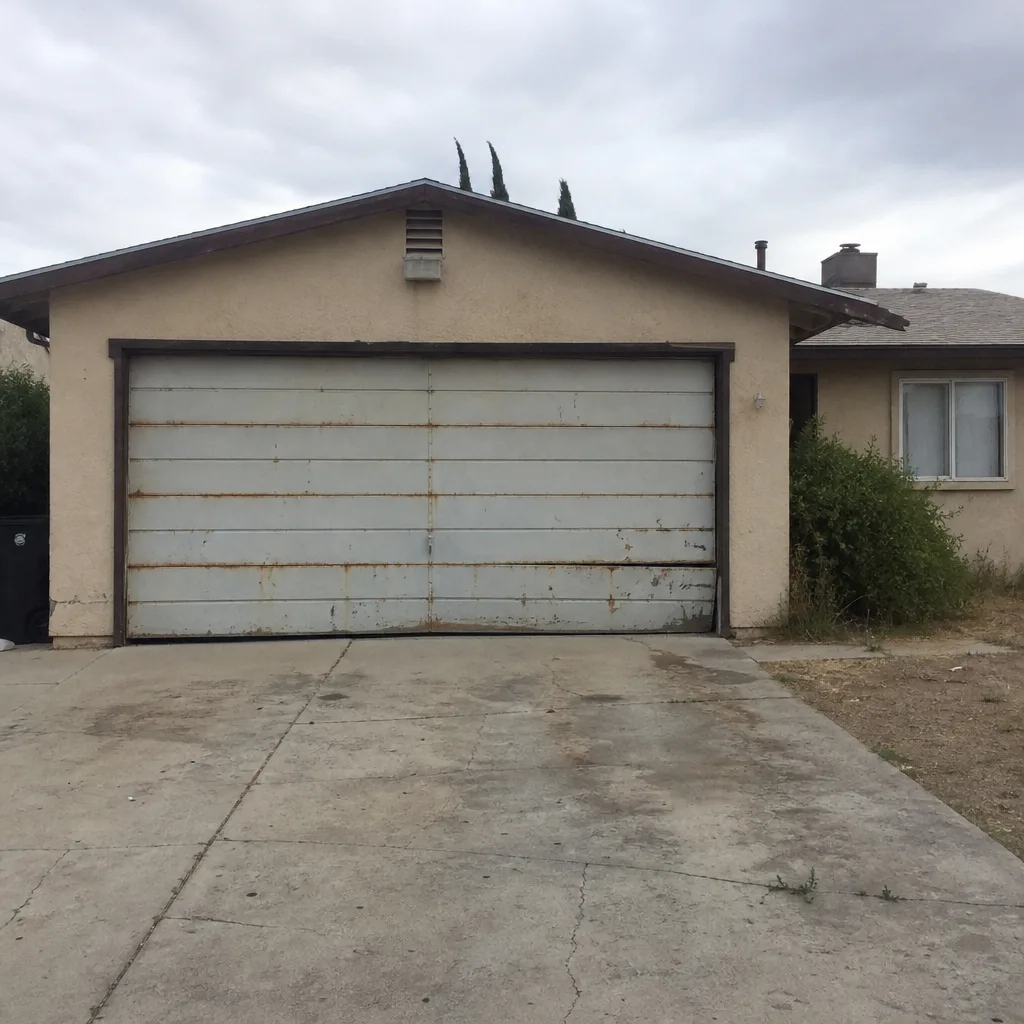 Before
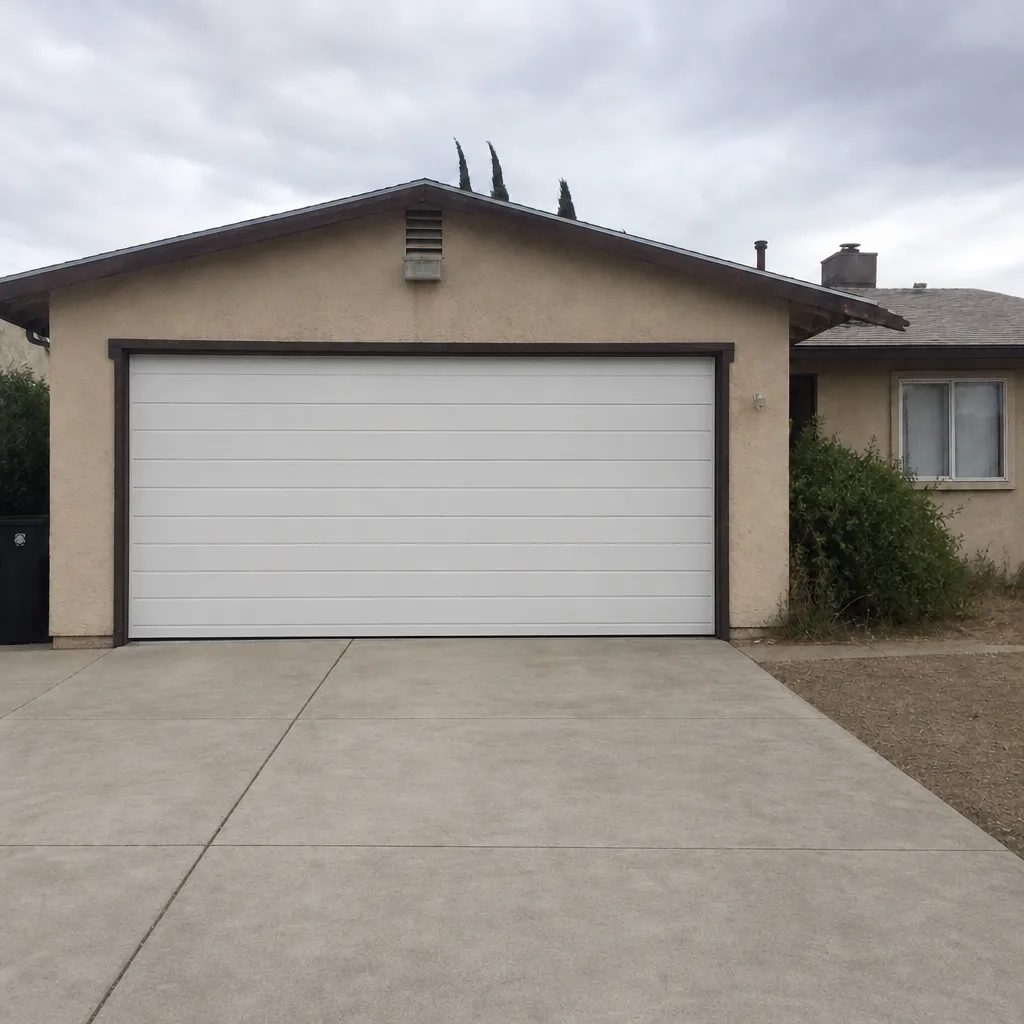 After
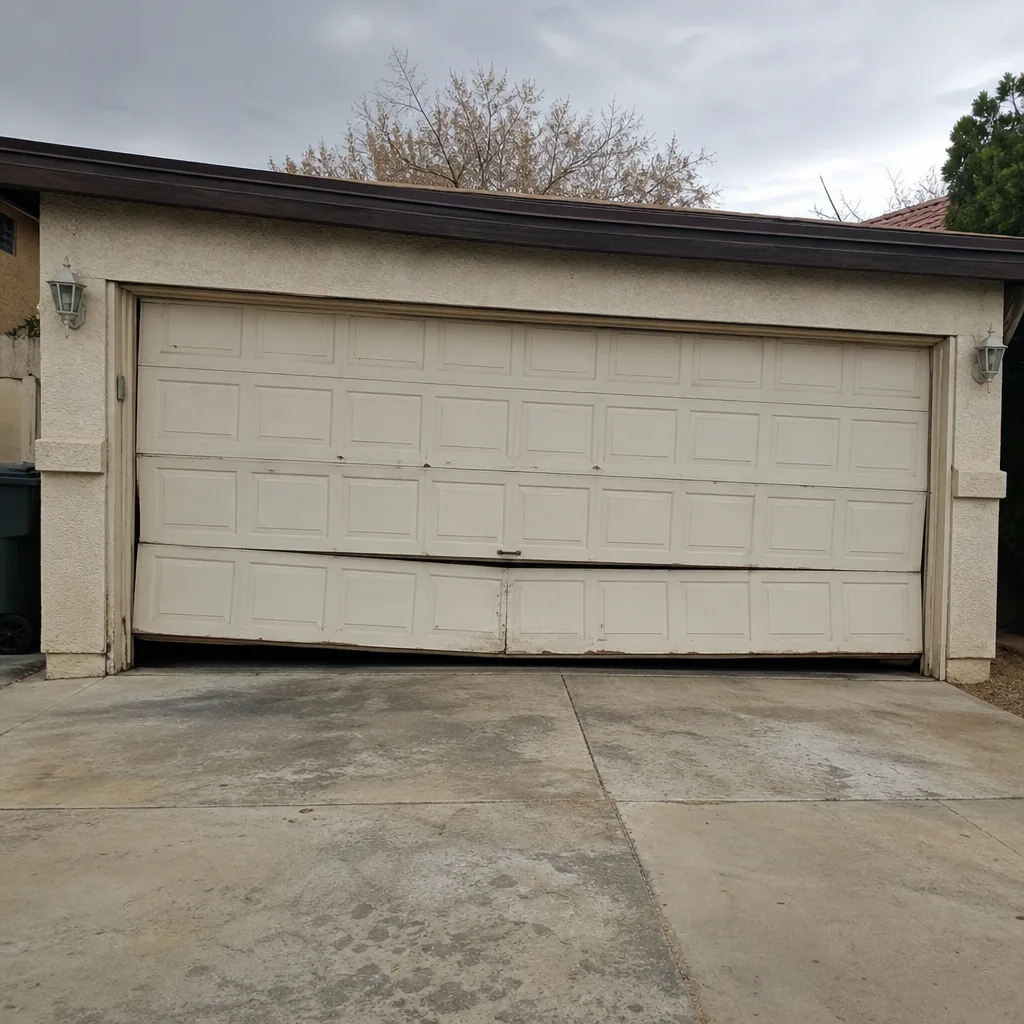 Before
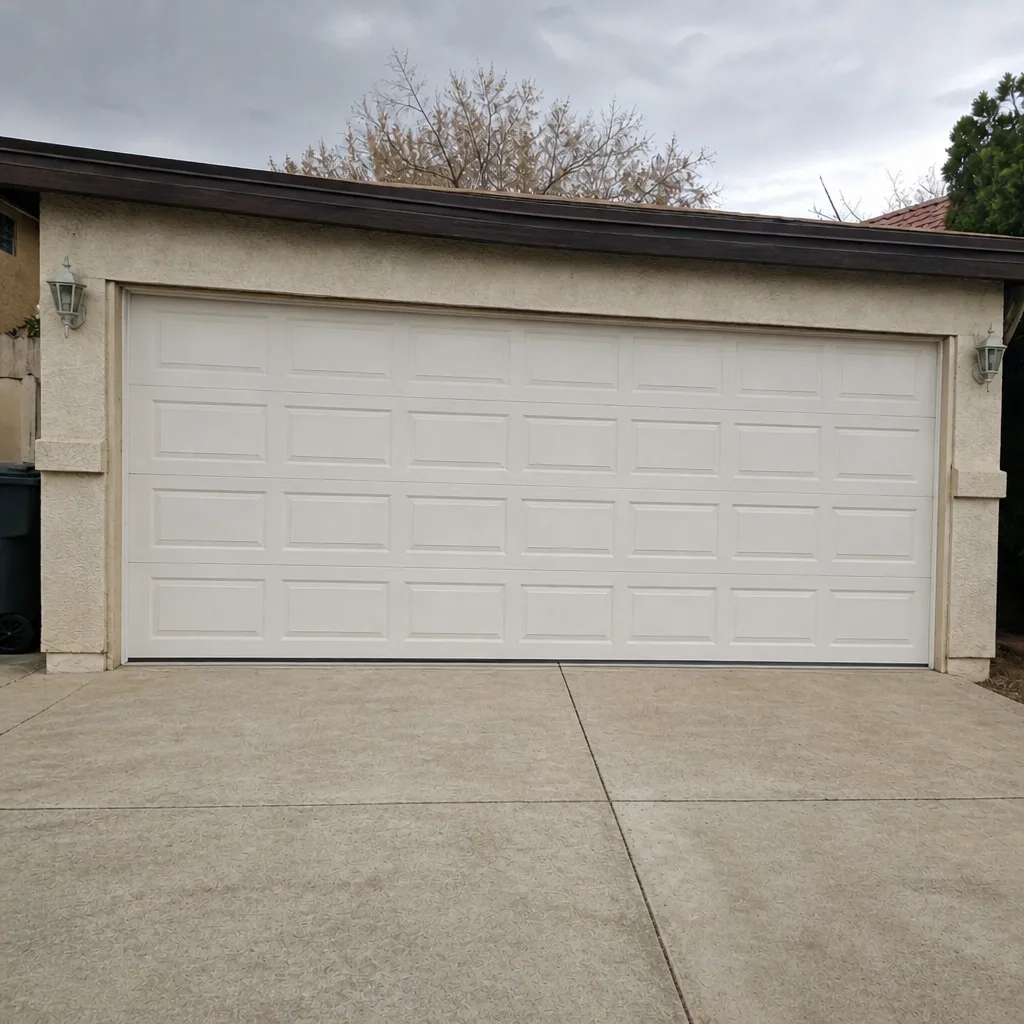 After
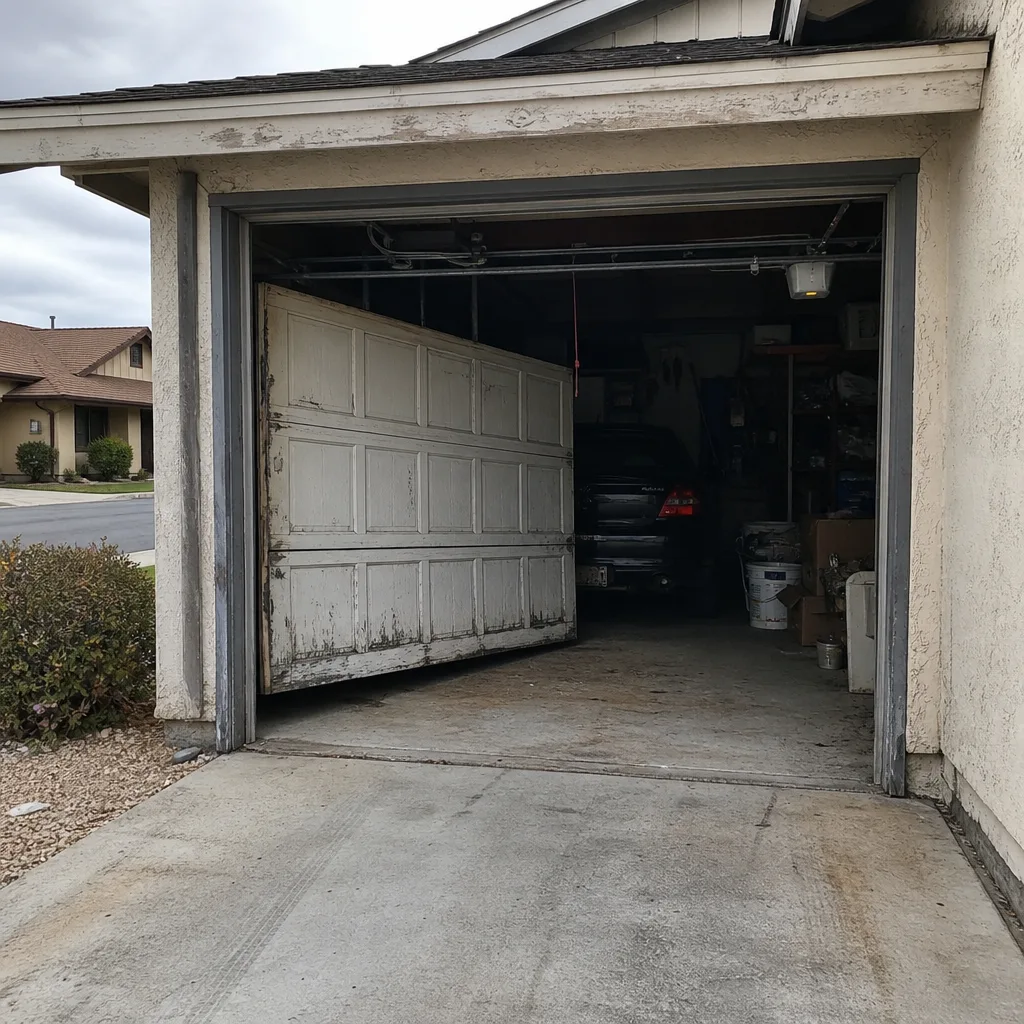 Before
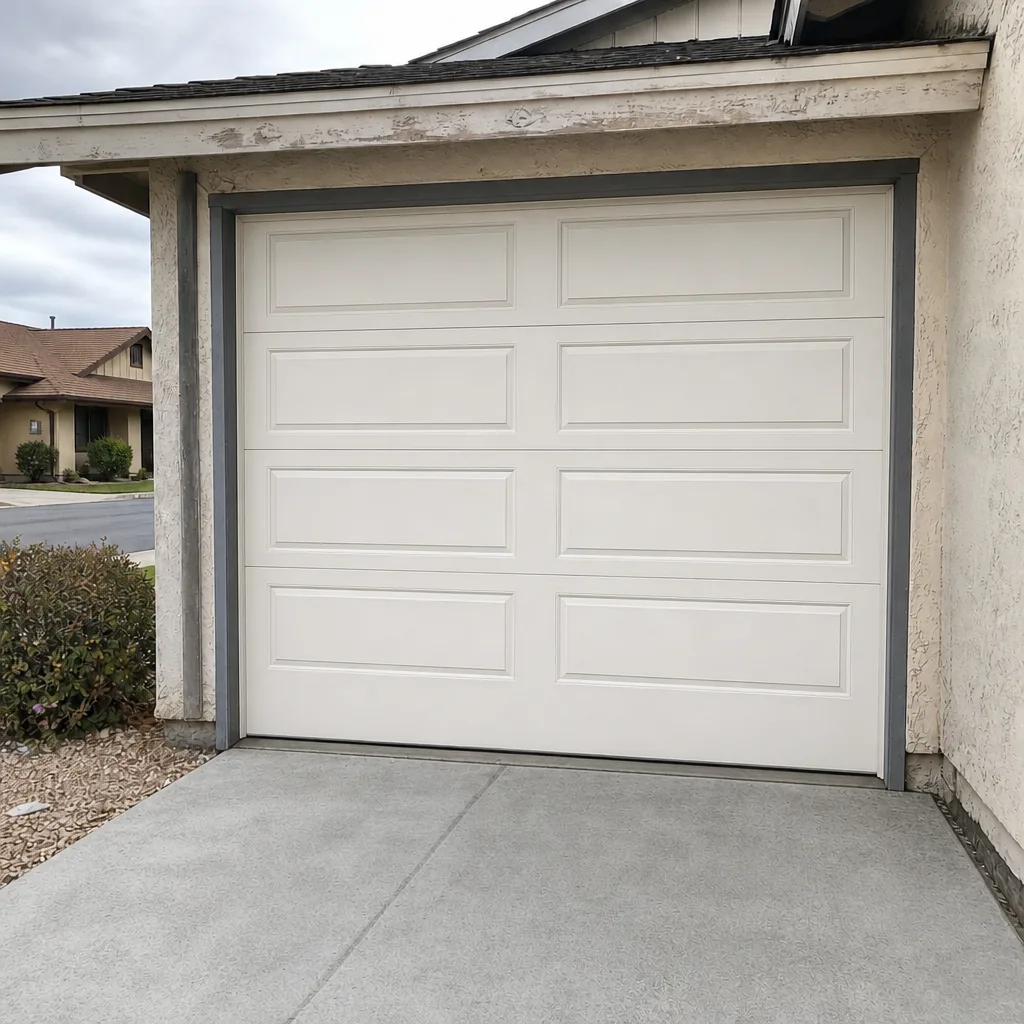 After
When to Call a Professional
Some garage door problems are simple: a remote that needs a new battery, a safety sensor with a cobweb across it. Most aren’t. Call a professional when the door is off its track, when a spring or cable is broken or visibly damaged, when the door won’t close or won’t stay up, when the opener keeps reversing or runs but doesn’t move the door, or when the car is trapped and the door can’t be opened safely. Those are the situations where an experienced technician saves you money by not making the problem worse. Grafton Garage Door Repair offers free estimates in Spring Valley. Call (877) 373-8712. We answer 24/7. Fast dispatch from 7am to 7pm, Sunday through Friday, and the price is quoted and agreed before any work begins.
We work on garage doors, and only garage doors. Repair, opener repair, and new installation are all handled in-house, and that focus is why our technicians know the differences between a LiftMaster opener and a Genie, or a Clopay door and a Wayne Dalton. Garage door opener repair and garage door repair are the same call for us. Grafton Garage Door Repair has been serving Spring Valley since 2013.
Frequently Asked Questions
First, don’t force anything. If the garage has a second entry door, use it to get to the car if the car is accessible without moving the door. If there’s no other entry and the door is stuck closed, call for service and explain that the car is trapped, since that prioritizes the call. A technician can often release the door safely without damage to the car or the door. Never try to lift or force a door that’s under spring tension. Call (877) 373-8712 for an exact quote on the repair. Estimates are free.
Yes, if the door is fully closed and the springs are intact. Pull the manual release cord to disconnect the trolley, then lift the door slowly with both hands on the bottom edge. Don’t do this if the door is open, off its track, or if you suspect the springs are broken. If the door won’t stay up on its own once you let go, the springs are the problem, and you should put the door back down and call. Call (877) 373-8712 for an exact quote – estimates are free.
Spring replacement is quoted per spring, and a matched pair is usually replaced together, so the pair costs roughly double the single-spring price. The exact figure depends on the door’s size, weight, and spring type, and the written estimate sets the final price before any work starts. We quote the whole job so there are no surprises. Call (877) 373-8712 for an exact quote – estimates are free.
No. We quote the job in writing before any work begins, and the price you agree to is the price you’ll see. If we find something unexpected once we’re on site, we’ll explain it and quote it separately before doing anything. The number we give you on the estimate is the number for that job. Call (877) 373-8712 for an exact quote – estimates are free.
For common repairs like springs, rollers, and opener parts, we carry what we need for most jobs, which is what allows same-day repair in many cases. For brand-specific parts, especially on Raynor or other less common doors, we may need to order the part, and we’ll tell you the timeline when we quote the job. Call (877) 373-8712 for an exact quote – estimates are free.
Close the door, disconnect the opener, raise the door halfway, and let go. A balanced door stays where you put it. If it drops or rises on its own, the springs are worn or out of adjustment, and that’s a warning sign to have it looked at before it fails completely. Don’t try to adjust the springs yourself. Call (877) 373-8712 for an exact quote – estimates are free.
The Bottom Line
Garage door emergencies in Spring Valley are rarely random. They’re the predictable result of worn springs, summer power outages, storm damage, and openers that fail at the wrong moment. The best protection is preparation: know where your manual release is and when not to use it, know whether your opener has battery backup, keep the door’s moving parts lubricated, and test the balance a couple of times a year. When something does go wrong, secure the opening, keep everyone clear, stop running the opener, and call a specialist who knows your brand. That’s the whole plan, and it’s the one that keeps a bad morning from turning into a bad week.
Call (877) 373-8712 for a free estimate. We answer 24/7. Fast dispatch from 7am to 7pm, Sunday through Friday, and the written estimate is agreed before any work starts. We work on garage doors, and only garage doors, so the technician who arrives already knows the difference between a broken spring and a worn opener.
Written by the team at Grafton Garage Door Repair, serving Spring Valley since 2013.