
Last updated November 14, 2026
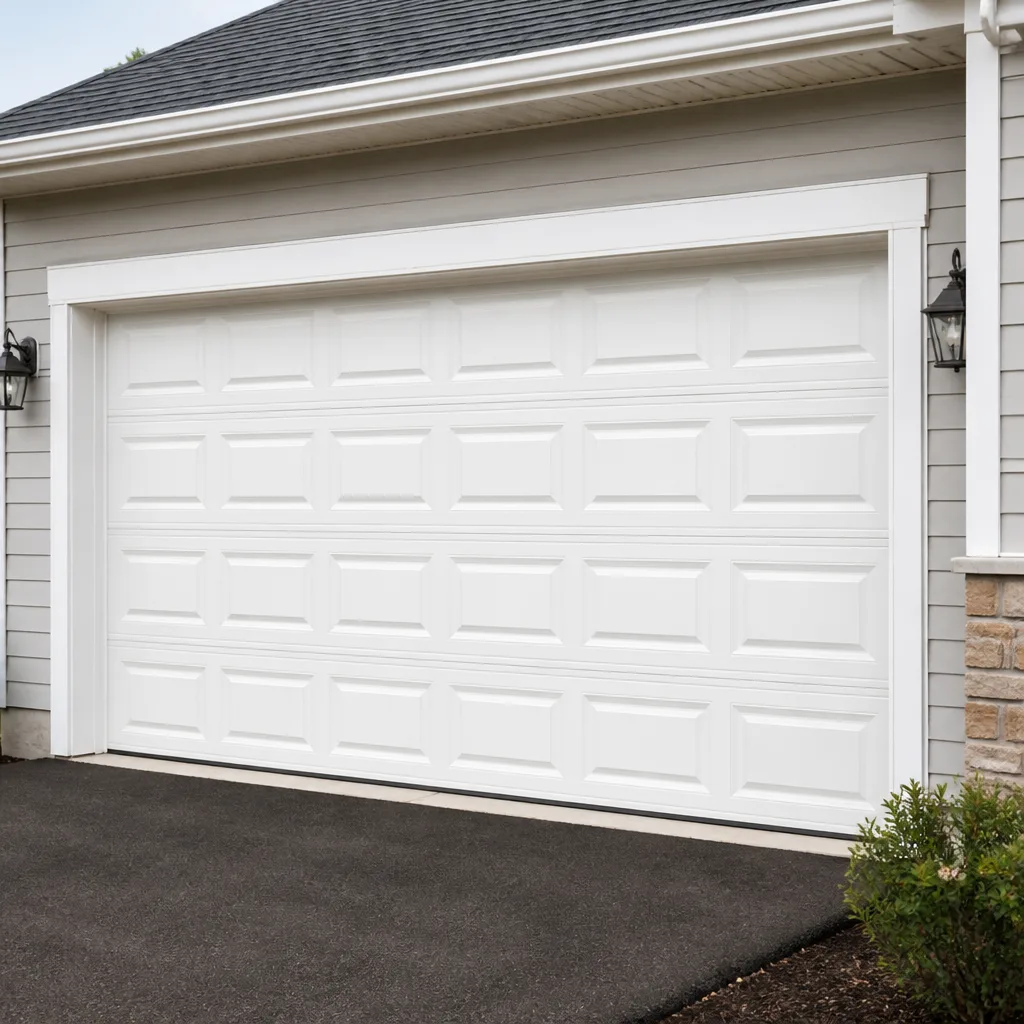 Raised-panel steel
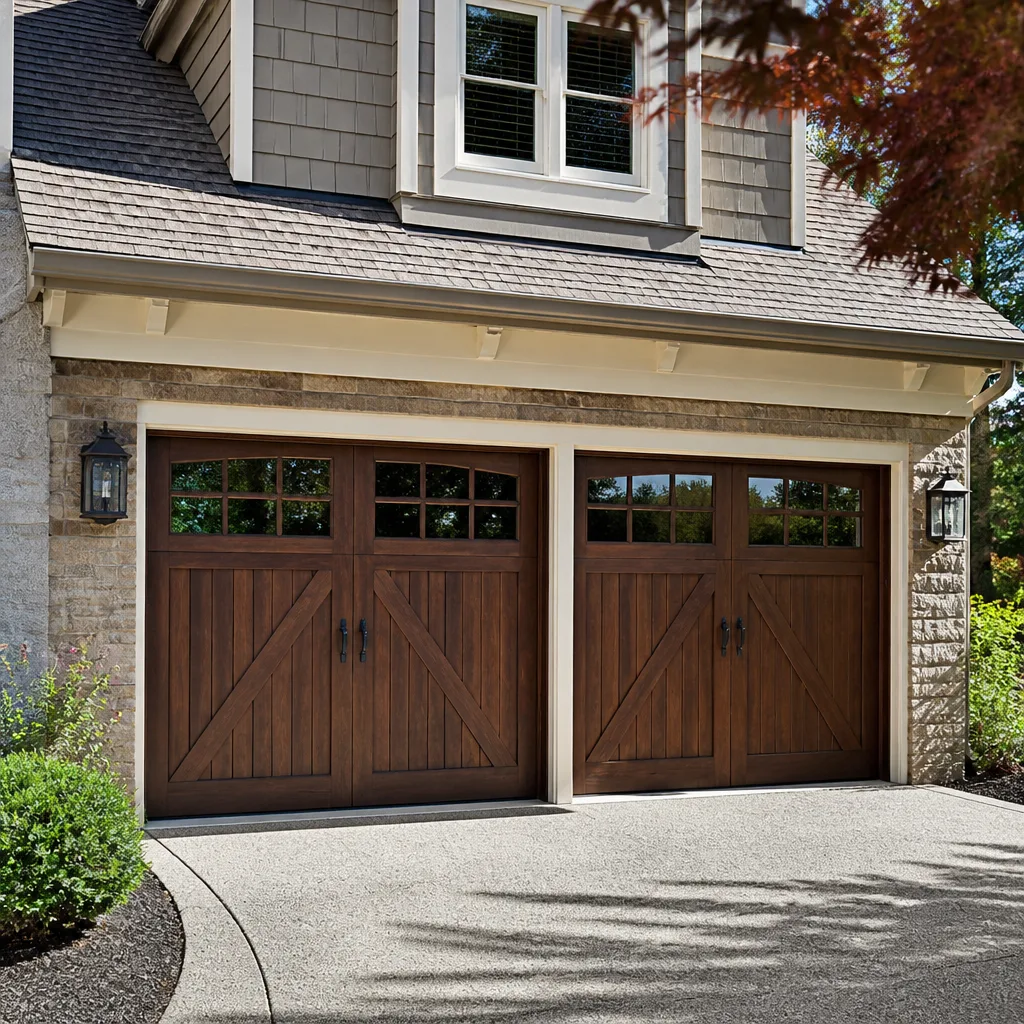 Carriage house
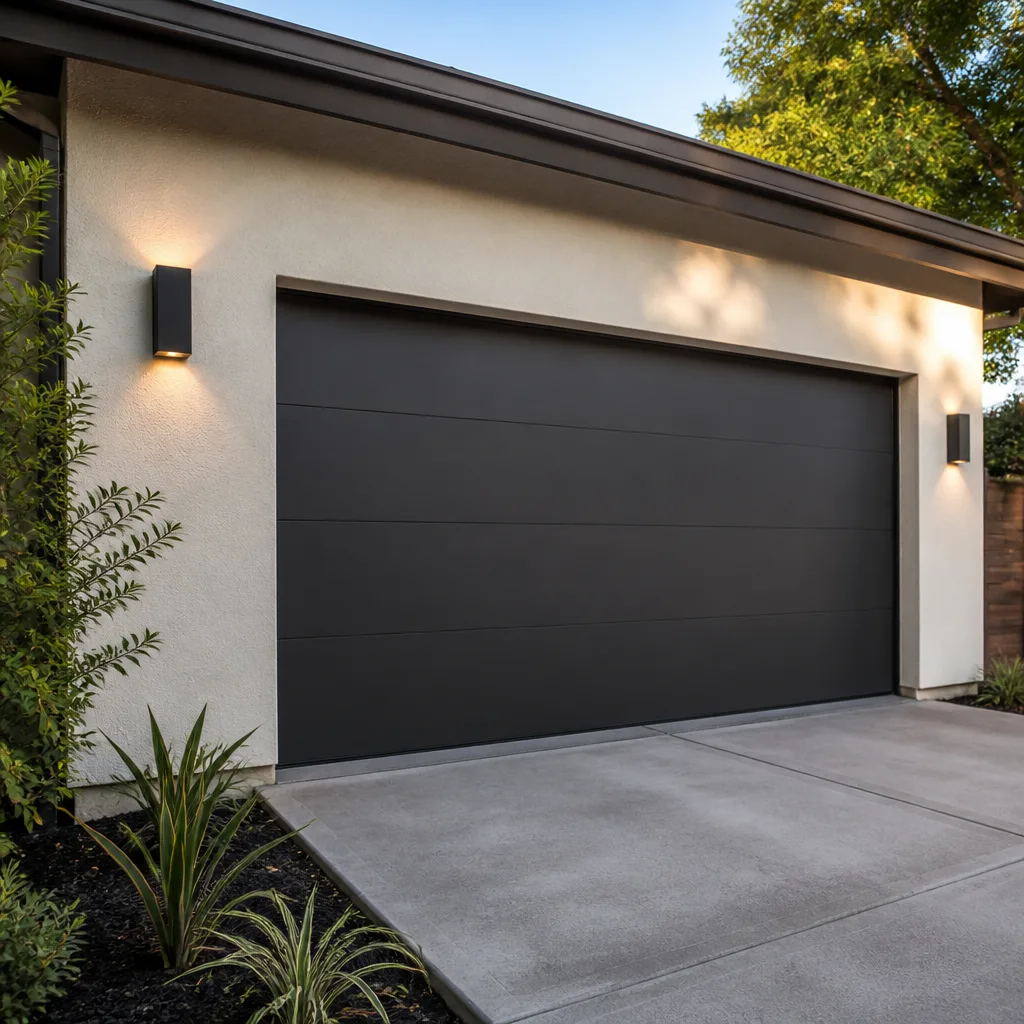 Modern flush
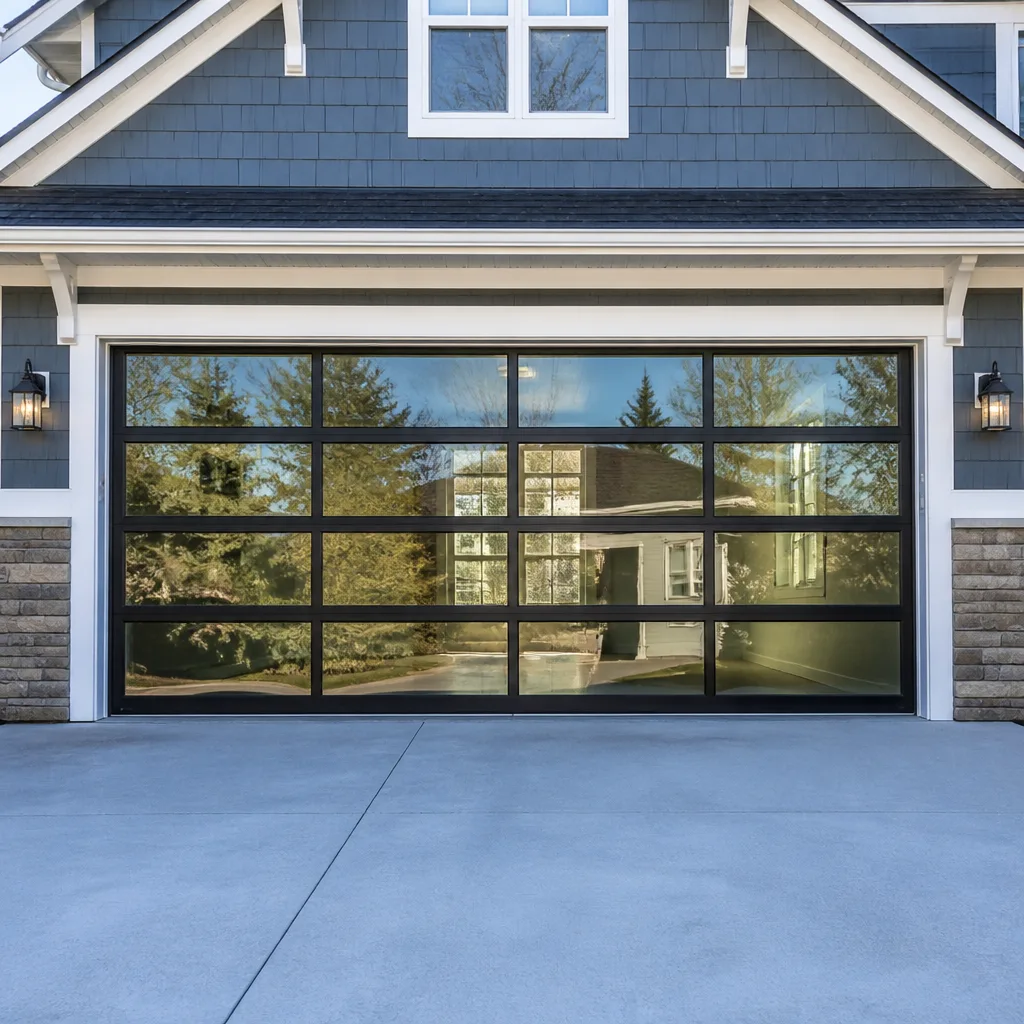 Full-view glass
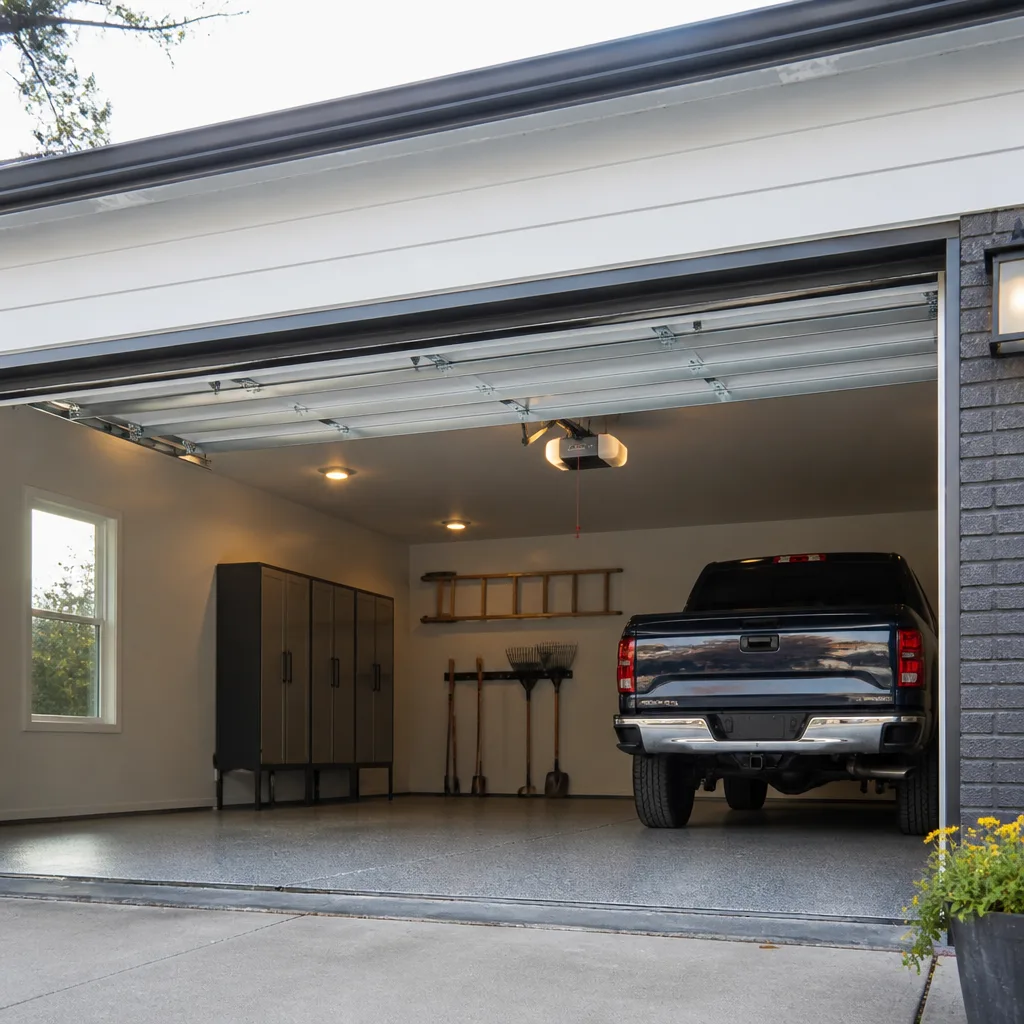 LiftMaster openers
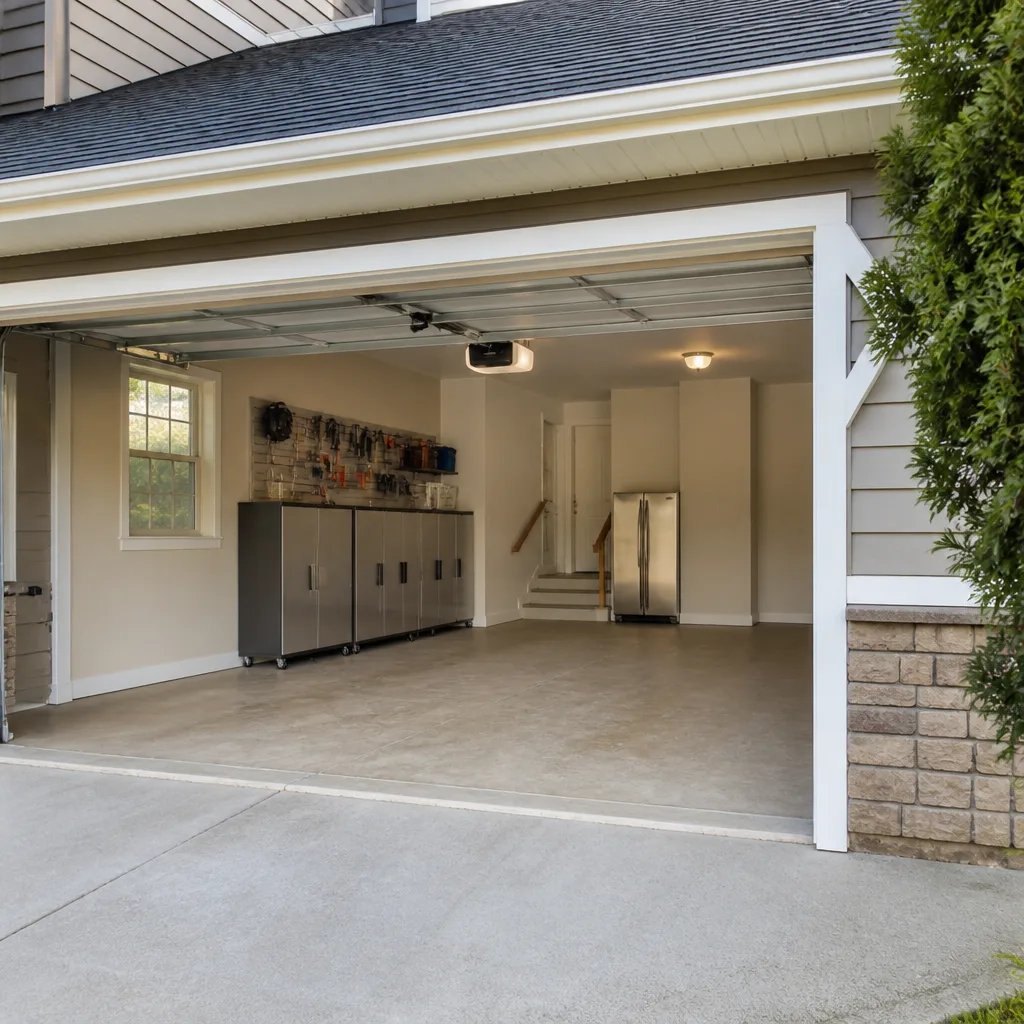 Chamberlain openers
Full 25-point door and opener safety check with every visit - springs, cables, rollers, tracks, and your LiftMaster or Chamberlain opener included
You get a price before we start. It does not change when the truck arrives.
Get your free estimateGarage Door Repair Maintenance Schedule: What to Do and When
The standard advice to “lubricate your garage door every six months” was written for the Midwest. Applied in Las Vegas Valley heat, that same cadence can actually accelerate wear on certain components. Six months of mild, humid weather is not the same as six months of sustained triple-digit days, monsoon wind, and dust that works its way into every moving part. A schedule that ignores those conditions is a schedule built for someone else’s house.
This guide replaces the calendar-based approach with a task-and-trigger system: what to check, what to lubricate, and when to act based on how your door is actually being stressed. We work on garage doors in Spring Valley all day, every day, and what follows is the same rhythm we recommend to homeowners who want their door to last.
Quick Answer
A maintenance schedule in Spring Valley should be built around heat cycles, wind events, and daily usage, not fixed months. The short version: inspect and lubricate moving parts after sustained stretches above 100°F, check cables and rollers after a monsoon wind event, and book a professional service once a year regardless of how good the door feels. Springs and seals age faster in desert heat than the national advice assumes.
Styles & brands we work with
- Raised-panel steel
- Carriage house
- Modern flush
- Full-view glass
- LiftMaster openers
- Chamberlain openers
Table of Contents
- Why a Temperature-Triggered Model Beats a Calendar
- Tasks to Do After Sustained 100°F Stretches
- The Right Lubricants for Desert Heat (and What to Avoid)
- Setting Your Baseline by Usage Frequency
- What a Technician Inspects in 20 Minutes
- Component Lifespan Benchmarks and When to Budget
- What to Do After a Wind Event
- When to Call a Professional
Why a Temperature-Triggered Model Beats a Calendar
Heat is the primary aging accelerator for the parts that matter most on a garage door: springs, cables, rollers, and the bottom seal. In Spring Valley, the door spends a meaningful stretch of the year in an environment closer to an oven than to a garage. A torsion spring that would run for years in a mild climate is cycling through expansion and contraction every single day when the afternoon temperature climbs past 100°F.
A calendar cannot feel that. Your door can. That is why we tell homeowners in Spring Valley to stop counting months and start paying attention to what the door is telling them and to what the weather has been doing.
Here is the short version of the trigger system:
- Heat trigger: any stretch of several consecutive days over 100°F is a signal to re-check lubrication and listen for new noise.
- Wind trigger: a monsoon or high-wind event in the valley means a visual check of panels, tracks, and the bottom seal.
- Usage trigger: how many cars pass through the door each day sets how often you should be looking at it at all.
- Annual trigger: one professional service a year, scheduled ahead of the harshest heat, is the baseline nobody should skip.
If you are already hearing a grind, a snap, or a door that reverses before it closes, the schedule has been overtaken by events. That is the moment to bring in Grafton Garage Door Repair rather than try to catch up on maintenance.
Tasks to Do After Sustained 100°F Stretches
Sustained heat does specific things to specific parts, and the tasks that follow should match. When Spring Valley has been baking for a week or more, these are the checks worth doing:
- Listen on the way out and the way in. A door that has developed a pop, a click, or a grinding note after a hot stretch is telling you a spring or roller is unhappy. Note where in the travel the noise happens.
- Look at the bottom seal. Heat hardens the rubber and it stops sealing. Run a hand along it and look for cracking or a gap where daylight shows through.
- Check the cables for fraying. Look only. Do not touch a cable under tension. If you see broken strands or a kink near a drum, stop and call.
- Test the safety reverse. Place a piece of wood flat on the floor in the door’s path and confirm the door reverses. This is the one test worth doing regularly because it is about safety, not wear.
- Wipe and re-lubricate the moving parts that take the heat using a product matched to the climate, not a generic spray. More on that below.
- Clear the tracks of grit. A dry cloth along the inside of each track, then a light application of the right lubricant, keeps rollers from wearing flat.
None of this involves adjusting springs or cables yourself, and it shouldn’t. Those parts are under extreme tension and are the most dangerous thing on the whole assembly. A trained professional handles anything involving spring tension, cable tension, or the balance of the door. Your job is to notice and to lubricate; ours is to adjust and repair.
The Right Lubricants for Desert Heat (and What to Avoid)
Most lubricants sold for garage doors are formulated for a climate that stays moderate. In Spring Valley heat, the wrong product can actually make things worse: it thins out, runs off the part it was meant to protect, and then collects dust into a paste that grinds rollers and hinges.
What works in high-heat desert conditions:
- A lithium- or silicone-based grease for hinges, bearings, and the torsion bar. These hold up to heat without breaking down into a thin film.
- A dedicated garage door lubricant labeled for high-temperature use. Read the label; if it doesn’t mention heat, it isn’t built for this valley.
- Silicone spray for the weather seal and the tracks, where you want slickness without a sticky residue that grabs grit.
What to avoid:
- General-purpose WD-40-style sprays used as a lubricant. They are a solvent more than a lubricant and will strip the existing grease off hinges and bearings, leaving metal on metal.
- Heavy axle grease on the tracks. It goes on thick, then the desert dust turns it into a grinding compound.
- Cooking spray, motor oil, or household oils. They break down fast in this heat and attract grit.
When we service an opener in Spring Valley, we also check the rail and the drive gear; on LiftMaster and Chamberlain units the gear and the chain or belt benefit from the correct lubricant as much as the door itself. Using the right product on the wrong part, or the wrong product at all, is one of the most common reasons a door that “just got lubricated” starts squeaking a few weeks later.
Setting Your Baseline by Usage Frequency
A four-car household with a busy driveway needs a different cadence than a single-car garage that opens twice a day. The door doesn’t know what month it is; it knows how many cycles it has run. Build the schedule around that.
A practical baseline:
- Light use (one car, one or two openings a day): a visual check and lubrication every few months, aligned with the heat trigger, plus one professional service a year.
- Moderate use (two cars, several openings a day): same checks, but the heat-trigger lubrication should happen each time a hot stretch passes, and you should listen for new noise more often.
- Heavy use (three or four cars, a houseful, frequent comings and goings): monthly visual checks, lubrication on every heat trigger, and a professional inspection once a year without fail. Heavy use is the single biggest multiplier on spring and roller wear.
A household that treats the garage as the main entrance to the home is effectively putting years of cycles on the door in a fraction of the time. If you are not sure which tier you fall into, count how many times the door opens on a typical day. Most people underestimate it by half.
What a Technician Inspects in 20 Minutes
An annual service should not duplicate what you already do. Its value is in the things a homeowner cannot safely or reliably check. Here is what a focused technician runs through, so you know what you are paying for and can see the difference between a real inspection and a look-around.
- Spring balance and tension. Disconnect the opener and lift the door by hand to about halfway. A balanced door stays put; one that drops or shoots up is out of balance and needs adjustment.
- Cable condition at the drums. Fraying, kinks, and how evenly the cable winds, which is a failure you can’t assess safely from the floor.
- Roller and hinge wear. Rollers that have gone flat or bearings that have dried out are replaced before they chew the track.
- Track alignment and spacing. A track can drift out of parallel without the door misbehaving yet, and catching it early avoids a jammed door later.
- Opener force and travel settings. Aged springs change the force the opener needs, and settings that were correct last year may now be masking a mechanical problem.
- Safety reverse test under load. Confirming the door reverses on contact with an obstruction, which is the safety feature most likely to go out of adjustment unnoticed.
- Panel and seal condition. Looking for stress from heat and wind, and confirming the bottom seal still seals against the floor.
The value of a professional service isn’t that the technician looks at the same things you do; it’s that they know what normal looks like for your specific door and opener brand, and what a problem looks like before it becomes a breakdown.
Component Lifespan Benchmarks and When to Budget
Here is where the heat really changes the math. Springs are the component most affected, and the honest advice in a hot climate is to plan for replacement rather than wait for a failure.
General benchmarks to plan around:
- Torsion springs: in desert heat, expect a shorter service life than the national average, and budget for a proactive replacement once the door starts showing imbalance between services. Waiting for the snap usually means the car is stuck and you are paying for an emergency visit.
- Cables: replace when fraying or kinking shows, not on a fixed interval. Cables that are beginning to fail should be replaced in pairs.
- Rollers: nylon or steel rollers wear at very different rates; flat spots on rollers are a good cue to replace the set.
- Bottom seal: the first casualty of heat and sun, and the cheapest part to keep ahead of. A hardened seal lets dust and pests in long before it looks obviously ruined.
- Openers: the mechanical life of an opener is a function of cycles more than age. If the door has been out of balance for a while, the opener has been working harder than it should.
The proactive move is to ask, at each annual service, “are these springs near the end?” A specialist can answer that honestly and give you a written price for the replacement so it can be planned rather than sprung on you. That is the recommendation we give in Spring Valley more than any other: get ahead of springs before they let go.
What to Do After a Wind Event
Spring Valley gets wind, and monsoon gusts can do real damage to a garage door without the door being visibly wrecked. After a strong wind event, or a spring dust storm, these checks are worth the five minutes:
- Look at the door from the driveway with it closed, and confirm it sits flush and square against the opening.
- Check the bottom seal for grit trapped under it and for a gap where the wind has forced it off.
- Run the door once and watch the panels. A panel that catches or rubs wasn’t bent by the wind alone; the wind found a weakness in the tracks.
- Clear the tracks of blown-in dust and debris before running the door.
- Watch the door close and confirm it reverses cleanly on an obstruction.
If the door is crooked, off its tracks, or won’t close flush, don’t force it. Running an off-track door with the opener is the fastest route from a small alignment problem to bent panels. That is a call for a technician, not a weekend project. And it is where the brand knowledge matters: a LiftMaster opener acting differently after a storm can be a travel-limit issue that has nothing to do with the door panel, and misreading that sends people down the wrong repair path entirely.
Common Mistakes to Avoid
- Following a generic “every six months” rule. In Spring Valley heat, parts age faster, and lubrication intervals need to track the temperature, not the calendar.
- Using WD-40 as a lubricant. It strips existing grease off hinges and bearings and leaves metal rubbing against metal. Use a heat-rated garage door lubricant instead.
- Greasing the tracks. Lubricant on the tracks turns dust into a grinding paste. The tracks should be wiped clean, not greased.
- Trying to adjust springs or cables. These parts are under extreme tension and are the most dangerous component on the door. Leave them to a trained professional.
- Ignoring a new noise. A pop or a grind after a hot stretch is a warning, not a personality change. Catching it early turns a repair into a maintenance visit.
- Skipping the annual service because the door still opens. A door that opens is not the same as a door that is safe and balanced. The annual inspection is where small problems get caught.
- Waiting for a spring to snap before budgeting for it. Proactive replacement can be planned and scheduled; a broken spring cannot.
See the difference
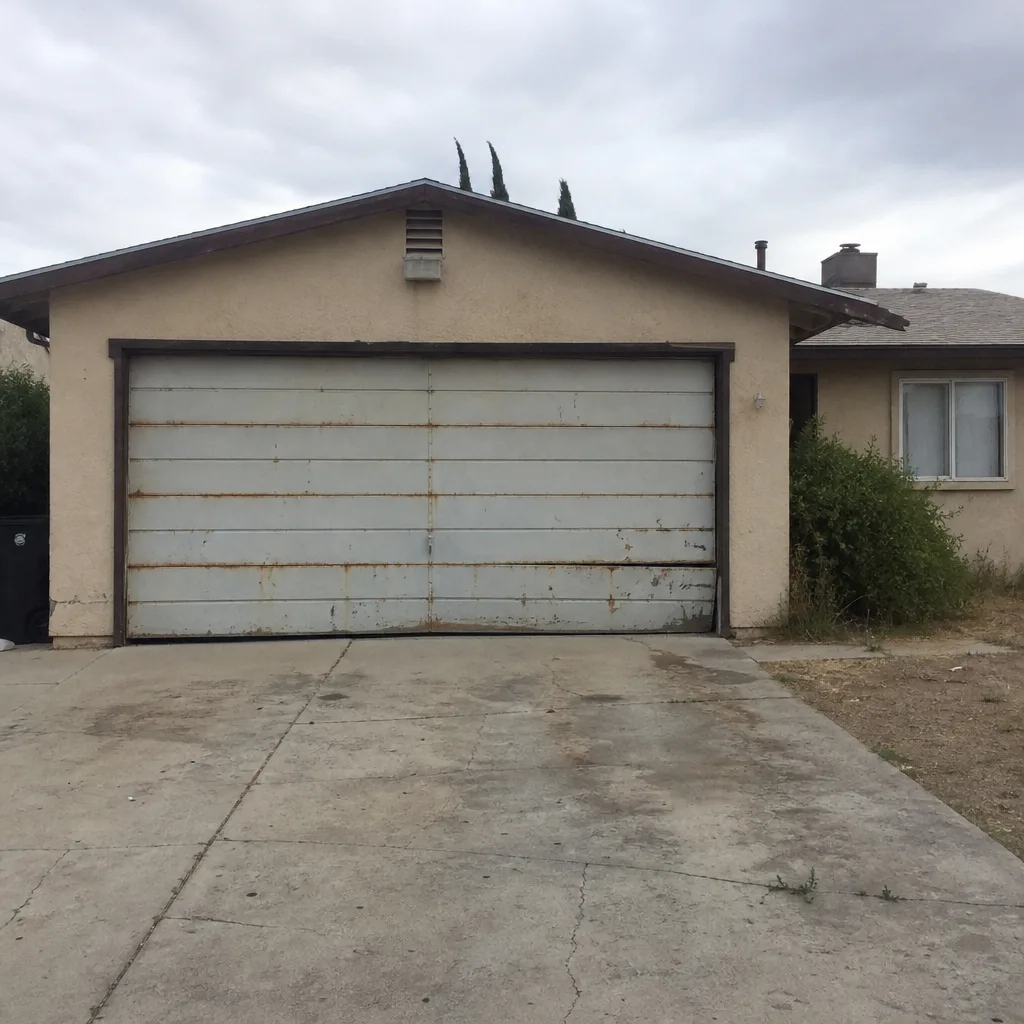 Before
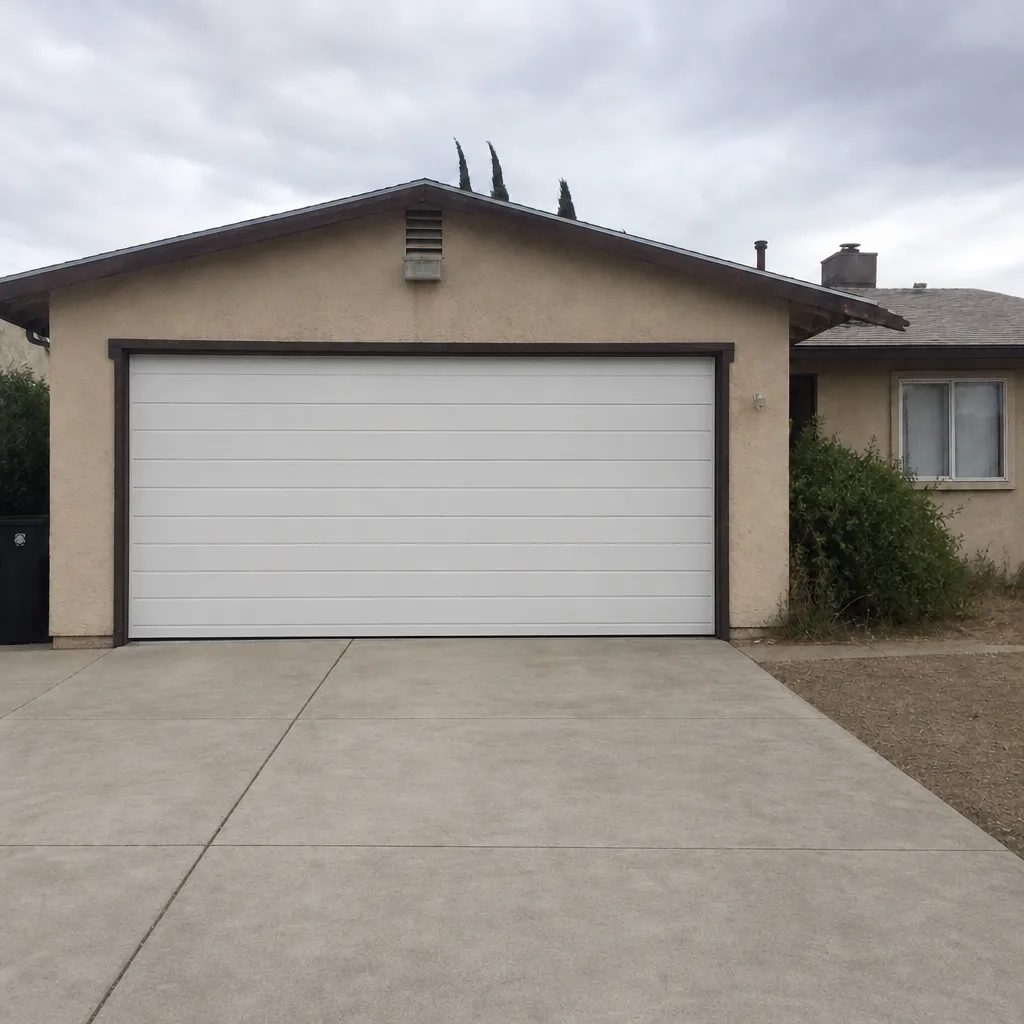 After
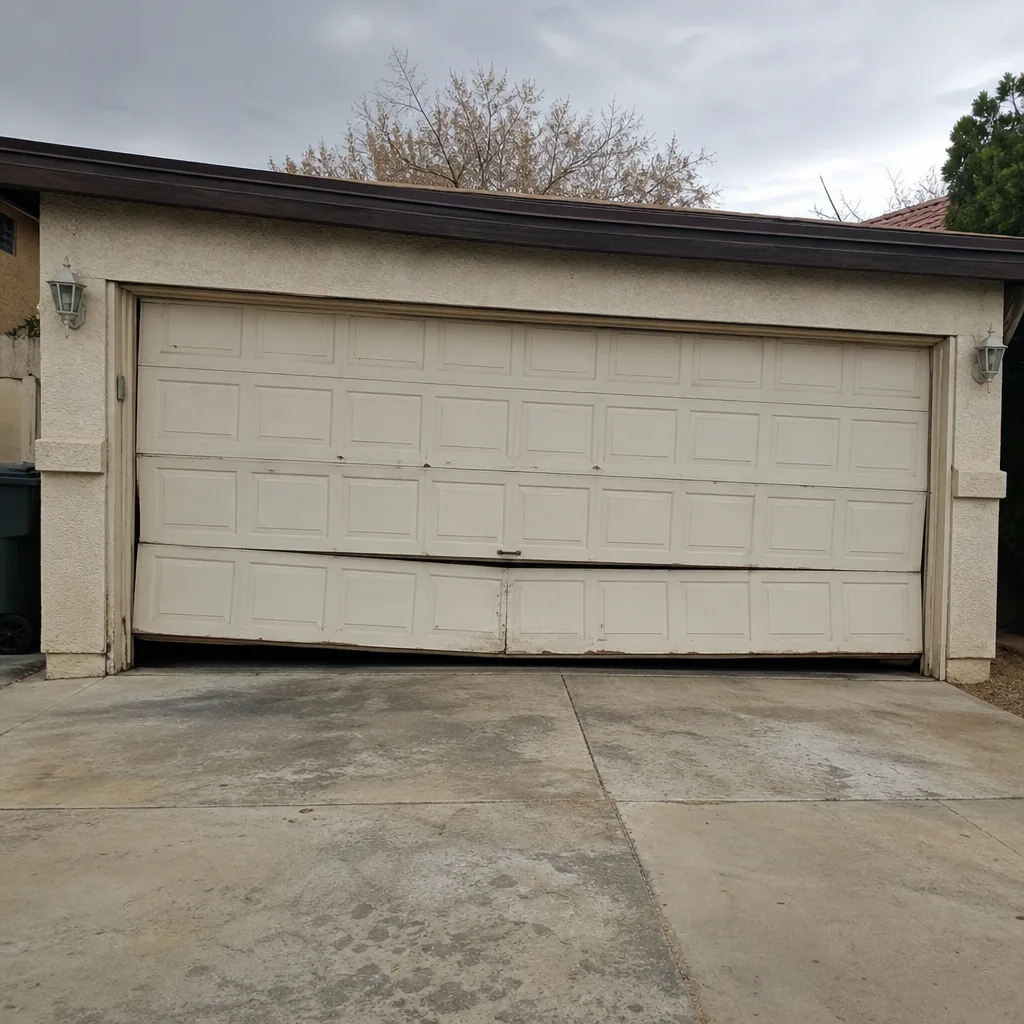 Before
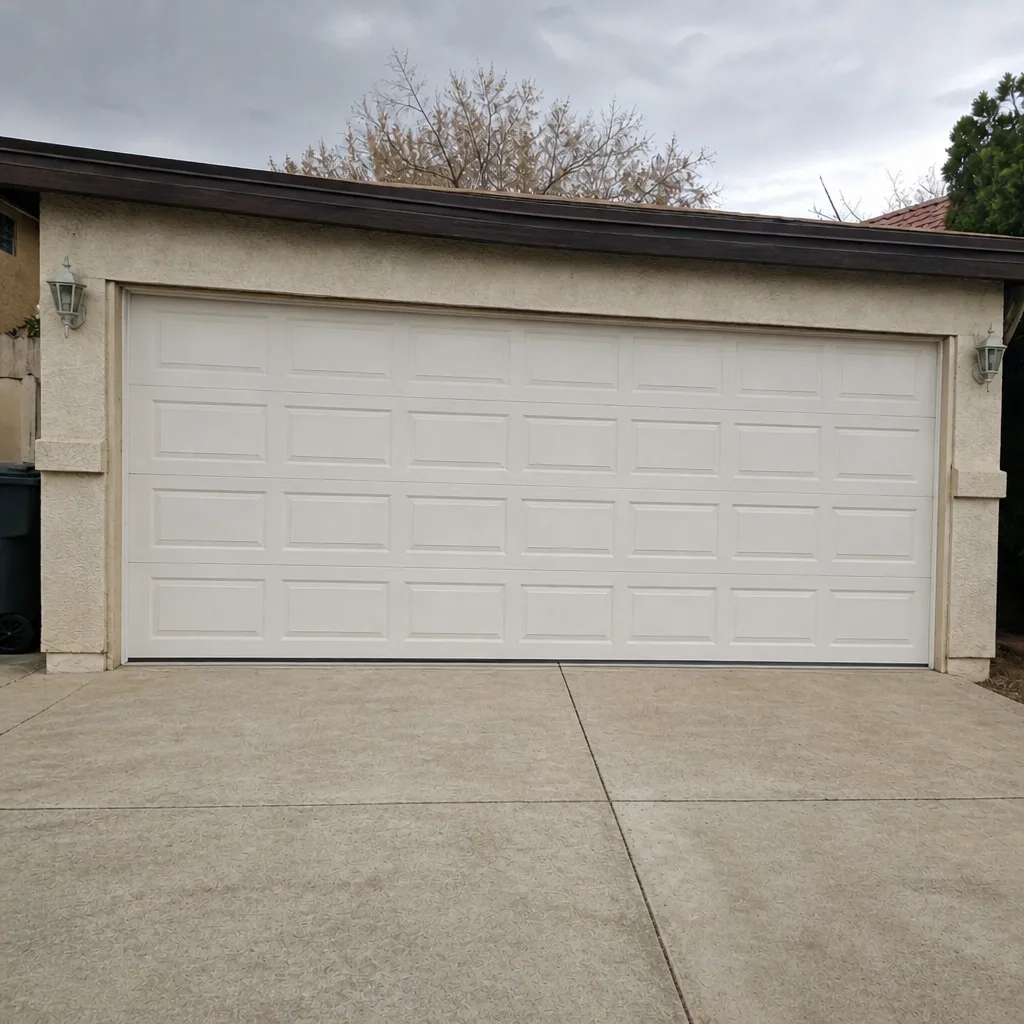 After
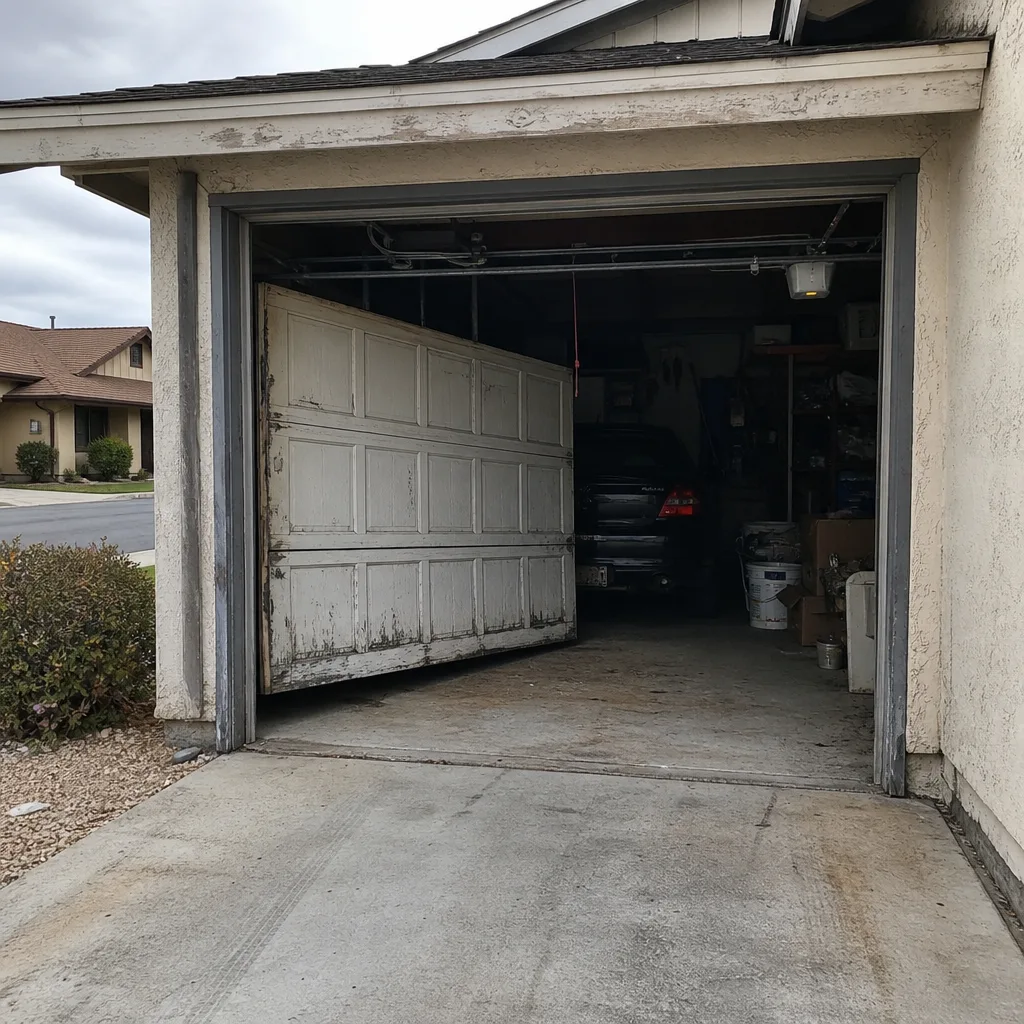 Before
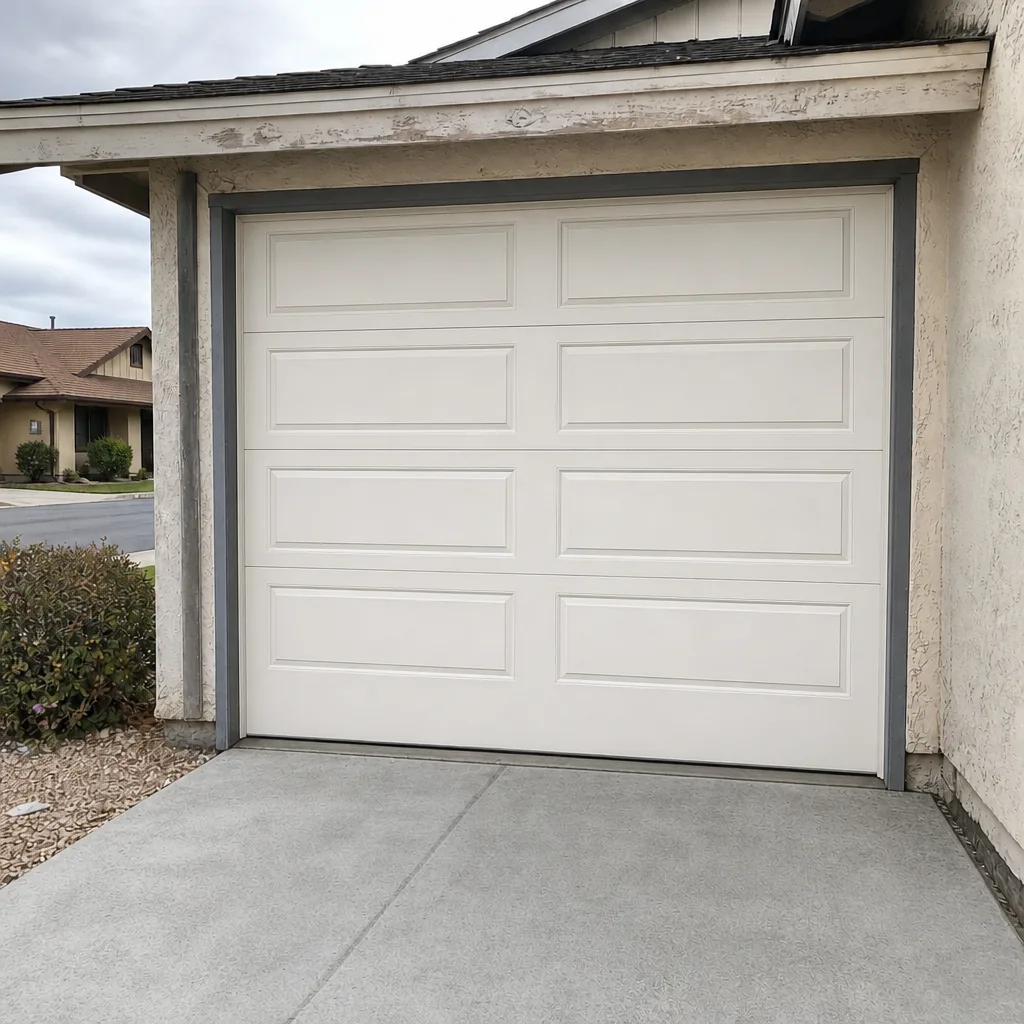 After
When to Call a Professional
Some things are maintenance, and some things are a repair waiting to happen. Call a professional if you see a frayed or kinked cable, if the door is out of balance or off its tracks, if a spring has snapped or the door won’t lift at all, if the opener reverses partway or runs but the door doesn’t move, or if you hear a new grinding or popping noise after a hot stretch. A trained technician checks the parts that carry tension and knows what normal looks like for your door’s brand. For any of these, don’t force the door: an off-track door run by the opener can bend panels in seconds. Grafton Garage Door Repair offers free estimates in Spring Valley. Call (877) 373-8712. We answer 24/7. Fast dispatch from 7am to 7pm, Sunday through Friday.
Frequently Asked Questions
Once a year for professional service, plus lubrication and visual checks after sustained 100°F stretches and after wind events. The annual service is the baseline; the heat and wind triggers are what you add on top.
Yes, for hinges, bearings, and the door’s moving parts, using a heat-rated garage door lubricant. Never adjust or lubricate springs or cables yourself; those are under extreme tension and need a trained professional.
A lithium- or silicone-based lubricant labeled for high-temperature use, with silicone spray on the tracks and seal. Avoid general-purpose WD-40-style sprays and heavy axle grease, which attract grit and break down in the heat.
Watch for an out-of-balance door between services, a door that opens unevenly, or spring noise after a hot stretch. The only way to know for sure is a professional inspection, which is why the annual service matters.
Less than the national average, because heat is the main accelerator of spring aging. Plan to budget for proactive replacement rather than waiting for a failure; that means you schedule the repair instead of being surprised by it.
Yes. Sustained heat accelerates the aging of springs, cables, rollers, and the bottom seal, which is why Spring Valley doors need a schedule tied to temperature rather than fixed months. Call (877) 373-8712 for a free estimate and we’ll tell you where your door stands.
The Bottom Line
Build the schedule around what actually stresses the door: heat, wind, and how often it runs. Lubricate the moving parts with a heat-rated product, on a temperature trigger rather than a calendar, and never touch springs or cables yourself. Set your baseline by usage, keep an eye on the bottom seal and the tracks, and book a professional service once a year so the parts that carry tension get checked properly. Plan for a spring replacement before it fails; that is the one move that separates a maintained door from a breakdown. For a free estimate or a service visit in Spring Valley, call (877) 373-8712.
Written by the team at Grafton Garage Door Repair, serving Spring Valley since 2013.