
Last updated November 14, 2026
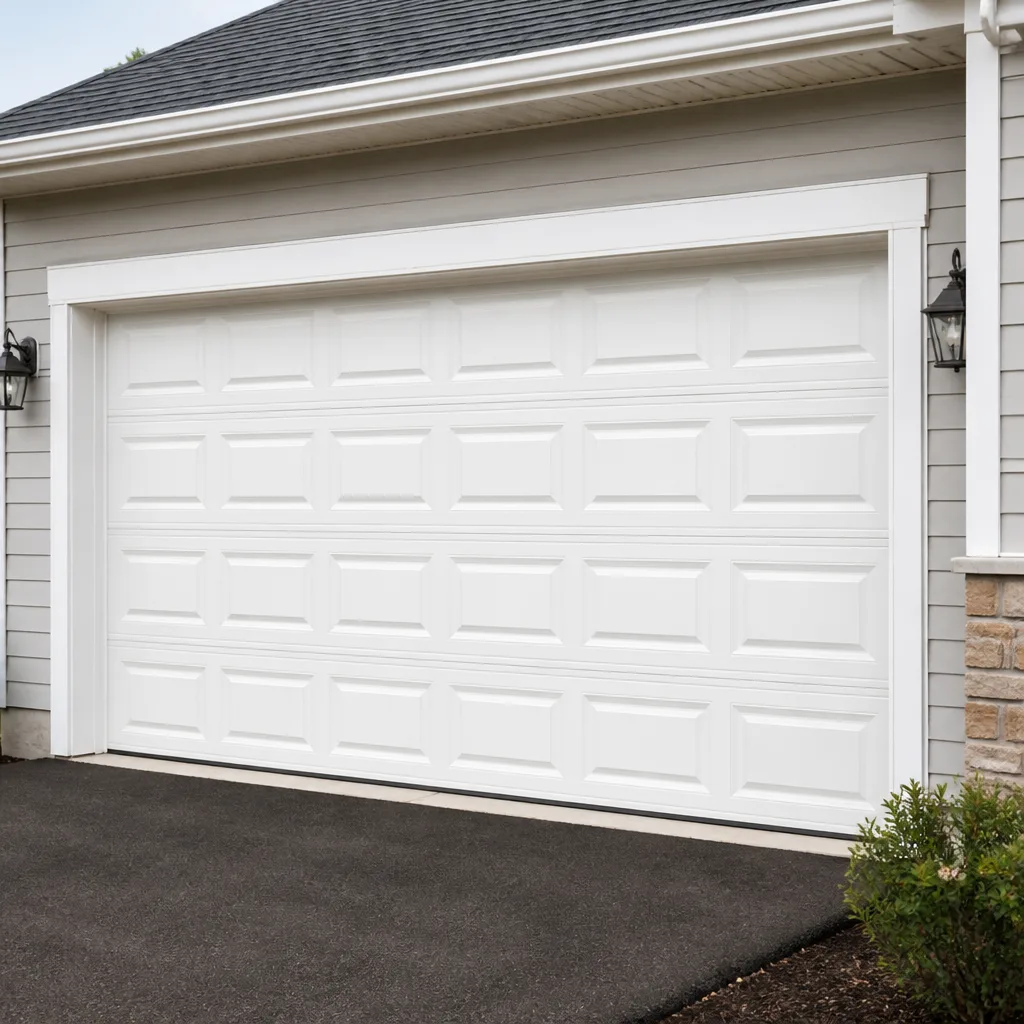 Raised-panel steel
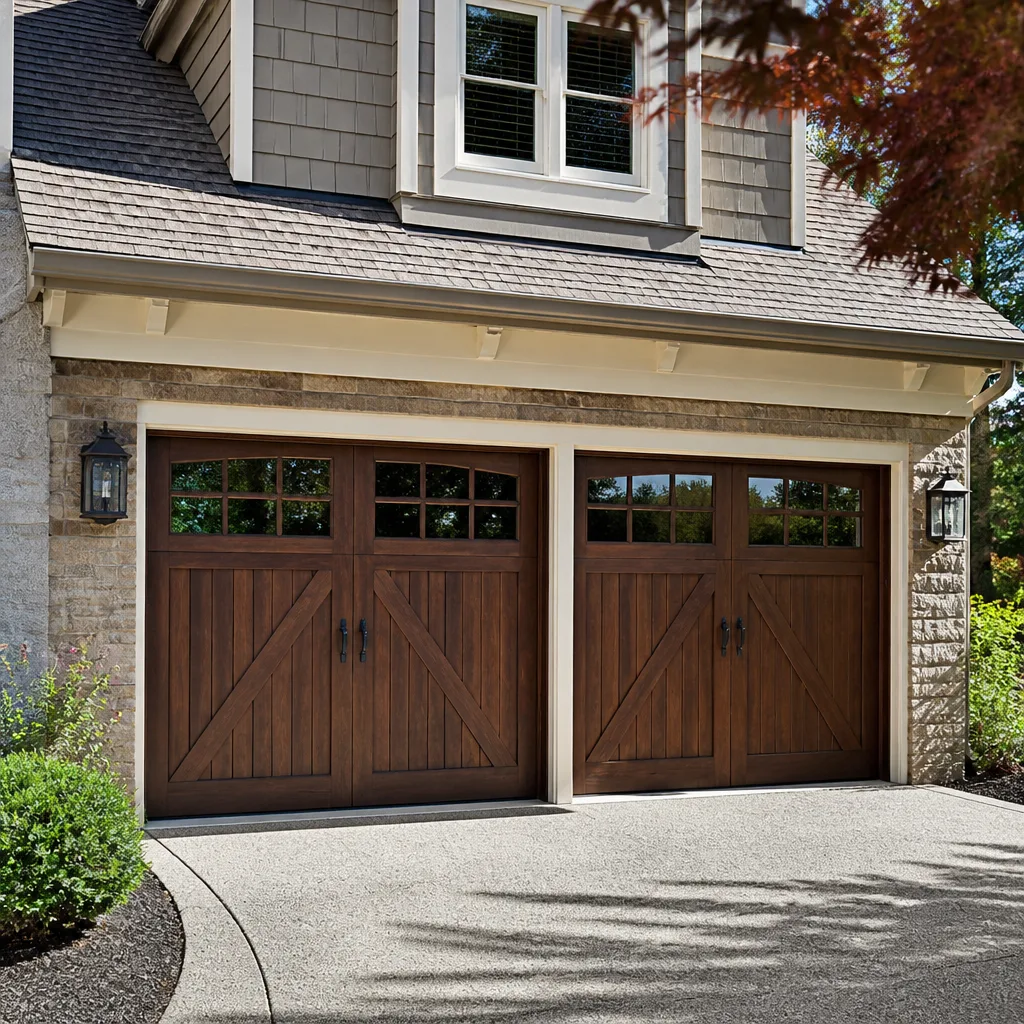 Carriage house
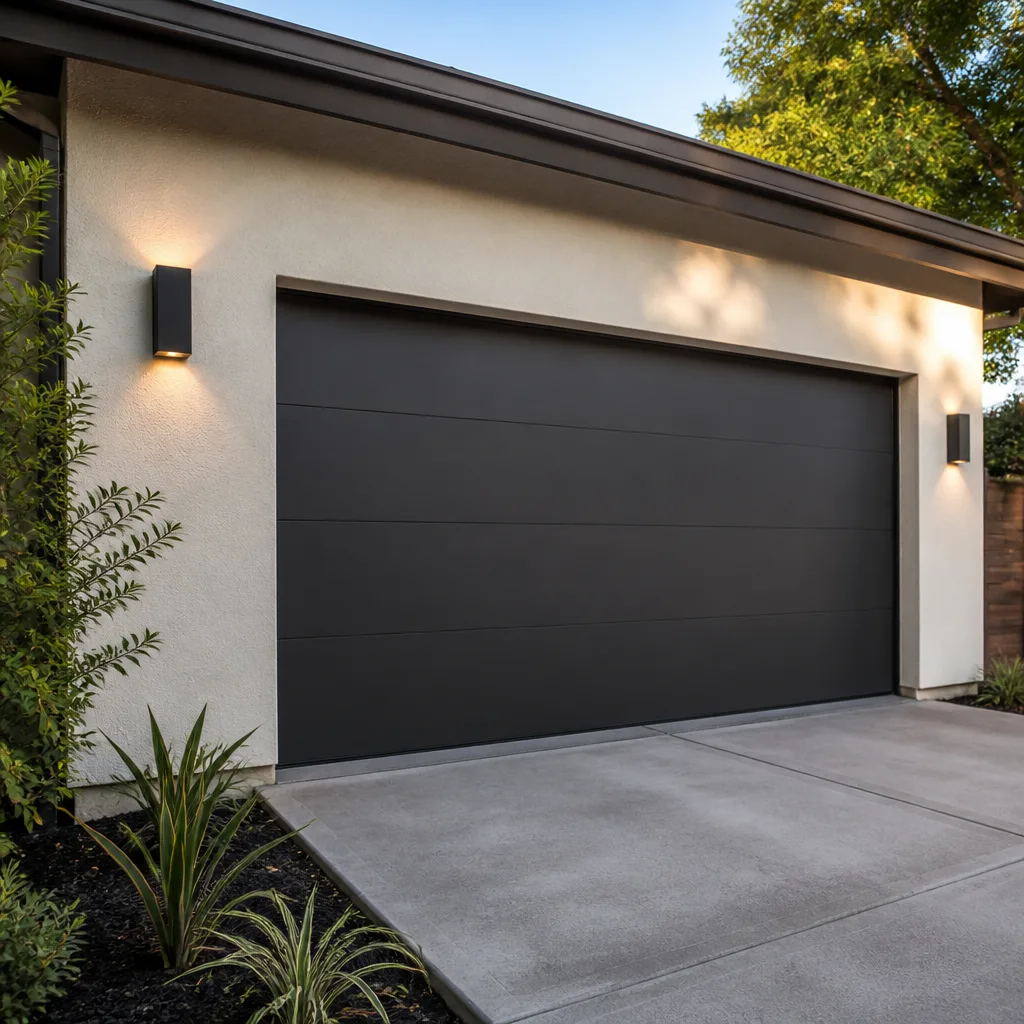 Modern flush
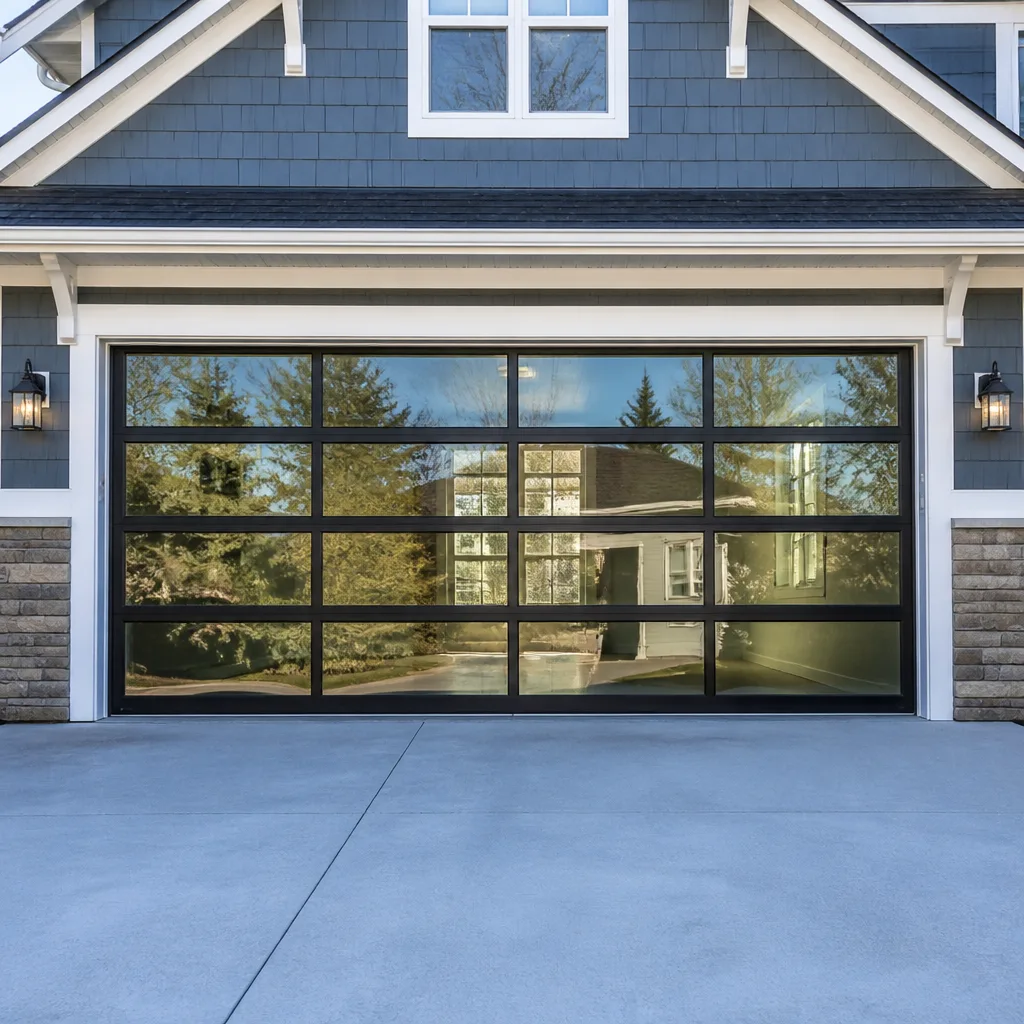 Full-view glass
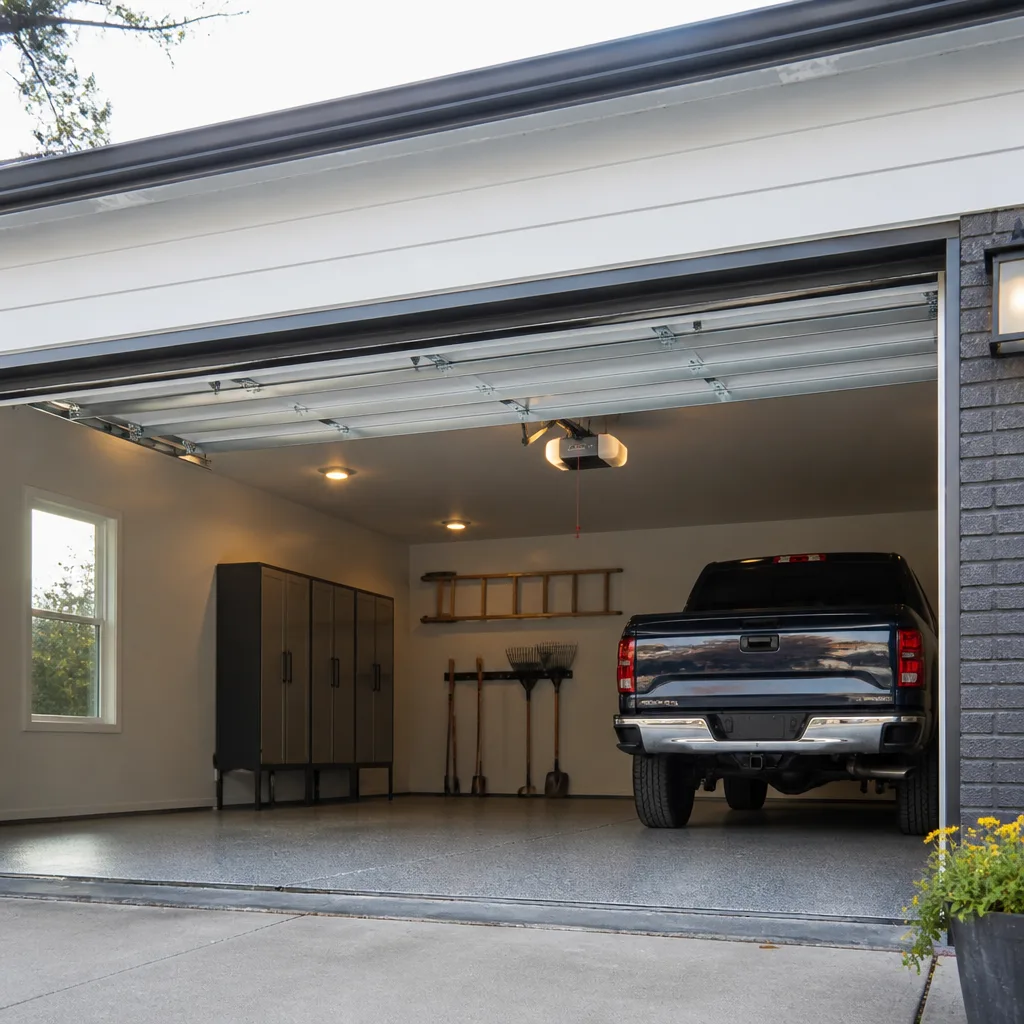 LiftMaster openers
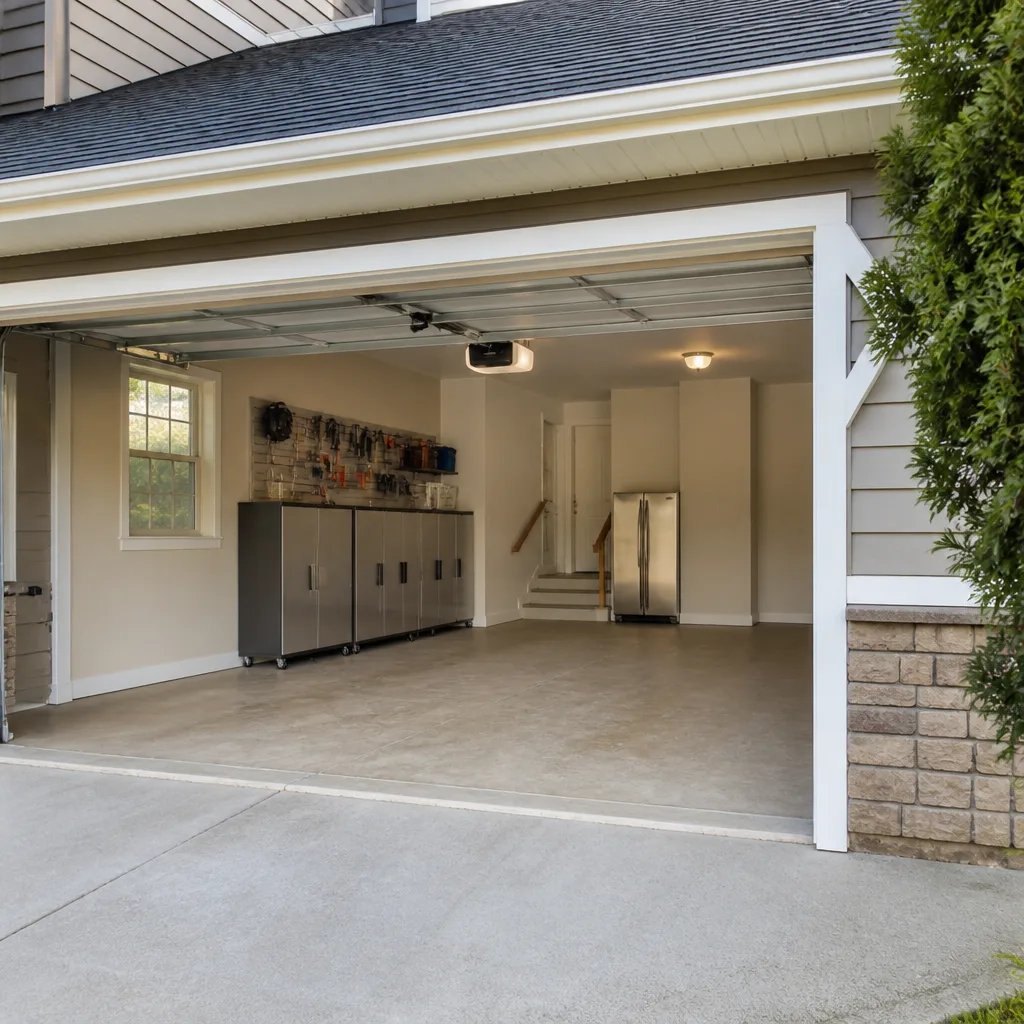 Chamberlain openers
Full 25-point door and opener safety check with every visit - springs, cables, rollers, tracks, and your LiftMaster or Chamberlain opener included
You get a price before we start. It does not change when the truck arrives.
Get your free estimateHow to Hire a Garage Door Contractor in Spring Valley: A Step-by-Step Guide
Most homeowners in Spring Valley start their search the same way: something breaks, they open a search engine, and they call whoever answers first or quotes the lowest number. That’s the wrong filter. A garage door system runs on more than 300 moving parts, and the springs alone hold hundreds of pounds of tension. When a general handyman takes that job, he’s working outside his tools and outside his training, and the repair often fails quietly a few months later. What you actually need is someone who works on doors and openers every day. This guide shows you how to find that person in Spring Valley, verify the license, ask the right questions, and read the estimate so nothing gets buried.
Quick Answer
To hire a garage door contractor in Spring Valley, verify an active Nevada C-5 license on the state contractor board’s website, confirm the company handles garage doors as its main trade rather than one item on a long list, and get a written estimate that separates parts from labor before any work begins. Ask specifically about spring inventory and same-day parts availability, and insist the warranty on parts and labor is in writing. A specialist who does this work daily will answer all of it without hesitation.
Styles & brands we work with
- Raised-panel steel
- Carriage house
- Modern flush
- Full-view glass
- LiftMaster openers
- Chamberlain openers
Table of Contents
- Why a Garage Door Specialist Beats a General Handyman
- How to Verify a Nevada C-5 License in Under Two Minutes
- The Interview Questions That Separate Specialists from Generalists
- Red Flags in the Las Vegas Valley Contractor Market
- How to Read a Garage Door Repair Estimate Line by Line
- What a Real Warranty Looks Like in Writing
- How Spring Valley’s Climate and Housing Shape the Work
- Common Mistakes to Avoid
- When to Call a Professional
- Frequently Asked Questions
Why a Garage Door Specialist Beats a General Handyman
The single biggest hiring mistake in Spring Valley isn’t picking the cheapest quote. It’s picking a contractor who treats garage doors as one line on a service menu that also covers drywall, painting, and appliance hookups. Those businesses exist because homeowners like the idea of one number to call. But a garage door isn’t a generic household repair. It’s a mechanical system with counterbalance springs, a tracked panel assembly, rollers, hinges, cables, and an opener with its own logic board and safety sensors. Getting it right means knowing how those pieces interact on your specific model.
Here’s what that difference looks like in practice. A specialist arrives with door-specific tools, carries common springs and opener parts on the truck, and recognizes a worn cable before it snaps. A generalist often arrives with a ladder and a guess, then quotes a repair that doesn’t address the actual failure. We’ve seen plenty of jobs where a door was “fixed” twice by someone without door training before the real problem was diagnosed. The homeowner paid twice for the same visit.
It also matters for your warranty. Manufacturers build their systems around specific parts and procedures. When a technician works with the actual manufacturer hardware rather than a one-size-fits-all substitute, the equipment stays within the terms the maker intended. That’s the practical reason brand-matched service is worth asking about.
At Grafton Garage Door Repair we work on garage doors and only garage doors, across repair, opener repair, and new installation. That’s not a slogan; it’s the reason our trucks carry door parts instead of plumbing fittings. If you’re comparing contractors in Spring Valley, put “does this company do anything besides garage doors?” near the top of your list.
How to Verify a Nevada C-5 License in Under Two Minutes
Garage door installation and repair in Nevada falls under a specific contractor license classification. The class you’re looking for is C-5, which covers the installation and repair of garage doors and similar opening systems. A company operating legally in Spring Valley should be able to give you its license number on request, and you should check it yourself rather than take it on faith.
Verification is quick. Here’s the process:
- Ask the contractor for the company’s Nevada contractor license number. A legitimate operation gives it without delay.
- Go to the Nevada State Contractors Board website (NSCB) and use the license lookup tool.
- Confirm the license status is active, not expired, suspended, or revoked.
- Check that the classification matches garage door work – C-5 – and that the business name and number match what you were given.
- Confirm the license is held by the company, not borrowed from another entity or an individual who won’t be on your job.
This takes about two minutes and eliminates a whole category of trouble. An unlicensed crew can’t be held to the same standards, and if something goes wrong on your door you have far fewer options. A license also tells you the business has met the state’s basic requirements for insurance and accountability. It’s the cheapest due diligence you’ll ever do.
Don’t be shy about asking. Any contractor proud of their trade will hand over the number immediately. Hesitation, deflection, or “we’re in the process” is a signal worth paying attention to.
The Interview Questions That Separate Specialists from Generalists
Once the license checks out, you want to know how deep the expertise runs. A five-minute phone conversation tells you more than a page of marketing copy. These questions cut through the noise.
- “What brands do you work with regularly?” A specialist names specific manufacturers because they’ve worked on them repeatedly. We’re fluent in eight of the most widely installed brands – LiftMaster, Chamberlain, Genie, Clopay, Amarr, Wayne Dalton, Craftsman, and Raynor – which covers nearly every door or opener a Spring Valley homeowner is likely to own. If the answer is “all of them, same thing,” ask how the tension settings differ between a Clopay and a Wayne Dalton door.
- “Do you carry springs on the truck?” Springs are the most common failure and they come in many sizes matched to door weight. A company that stocks common spring sizes can often finish the job in one visit. One that has to order every part turns a single repair into two or three appointments.
- “Do you handle opener electronics, or just the mechanical side?” Modern openers are Wi-Fi connected with logic boards and safety sensor systems. A dedicated specialist handles both the mechanical failure and the connectivity issue. A generalist often can’t troubleshoot a LiftMaster or Chamberlain board at all.
- “Will the same company do the repair and the installation, or do you subcontract?” Hand-offs mean the person diagnosing your problem isn’t the person responsible for fixing it. Full-scope service under one name keeps accountability in one place.
- “What’s your warranty, and will you put it in writing?” Get the answer in writing. More on that below.
- “How do you determine which spring my door needs?” A real answer involves door weight, height, and cycle life, not “the standard one.”
You’re listening for specifics. Generalists give general answers, and general answers on a garage door usually mean a general repair.
Red Flags in the Las Vegas Valley Contractor Market
The Las Vegas metro presents some hiring challenges you won’t run into in slower-growth markets. Construction booms pull in crews from out of state, and not all of them are licensed to work in Nevada or set up to serve residential customers after the new-build phase ends. When new home construction slows, those crews look for repair work they may not be qualified for. Here’s what to watch for in Spring Valley and the surrounding valley.
- Out-of-state plates and no Nevada license. A crew that can’t produce an active C-5 number is a risk you don’t need to carry.
- Door-hanger flyers with a cell number and no business name. Legitimate companies have a permanent business identity and a verifiable license. Temporary marketing with no paper trail is a warning sign.
- Quotes given before anyone looks at the door. A phone estimate is fine for a rough range. A price that never changes after inspection usually means the inspection never happened.
- Cash-only demands with no written estimate. You want a written price and a record of the work. No invoice means no warranty and no recourse.
- Pressure to replace when a repair would do. Doors and openers can be replaced unnecessarily. Ask for the reasoning, and expect an honest answer about what a repair covers and how long it should last.
- No physical business presence. A real company has an address, a license, and a track record. In a fast-growing metro, a fly-by-night operation can appear and vanish inside a season.
None of this is exotic. It’s the same discipline you’d apply to any hire involving your home. The difference in Spring Valley is that the local market’s growth cycles make it more important than usual.
How to Read a Garage Door Repair Estimate Line by Line
An estimate is only useful if you can see what you’re paying for. The trick to reading one is separating three things: parts, labor, and any flat service fee. When those get bundled into a single number, you can’t tell whether the springs are priced fairly or whether the labor has been quietly marked up to cover something else. Ask for the breakdown.
Here’s what a clear estimate looks like as line items:
- Parts, individually listed. Each spring, cable, roller set, hinge, or opener component priced separately, with the part type or size noted.
- Labor, as its own line. The work of installing the parts, with a clear scope of what’s included.
- Any flat fee, labeled as such. If there’s a fee, it should appear as a named line, not hidden inside the parts price. Ask what it covers.
- Spring count. Springs are priced individually, and a matched pair is replaced together, so a pair costs roughly twice a single spring. Make sure the estimate shows which you’re getting and why.
- What’s excluded. Anything not covered, like a door panel replacement or opener board, should be noted so there are no surprises.
The most important part of any estimate is that the price is quoted and agreed before work starts. The written estimate sets the final price. If the technician finds something new once the door is apart, you should hear about it and approve it before the work continues, not discover it on the invoice. Ask explicitly: “If you find something else, do you stop and tell me before continuing?” The answer should be yes.
On cost and scope, the honest approach is to present a repair option and a replace option where both are viable. Replacing a whole door because of a worn cable is a bad deal. Rebuilding a twenty-year-old door with failing panels may also be the wrong call. A specialist tells you which is which and why. For a closer look at what routine work involves here, see our guide to garage door repair in the area.
What a Real Warranty Looks Like in Writing
A verbal promise of warranty is worth about as much as the person’s memory on the day you need it. A legitimate warranty is a document with specific terms. It names what’s covered, for how long, who honors it, and what voids it. Ask for that before work begins, not after.
On a garage door repair, a warranty should address two separate things: the parts and the labor. The parts warranty typically comes from the manufacturer, and its length varies by component – springs, openers, and panels often carry different terms. The labor warranty is the company’s own commitment to the quality of the install. Both should appear in writing. If one is missing, ask why.
Here’s what to check:
- Coverage period stated in specific terms. “We stand behind our work” is not a warranty. A number of months or years on parts and on labor is.
- Which components are covered. Springs, cables, opener boards, and panels may be treated differently.
- What voids the coverage. Improper modification or work by another party often does. Know the terms.
- Who honors it. A warranty from a company that hands your job to a subcontractor can be hard to enforce. One name on the estimate and the warranty is the cleaner arrangement.
- A copy for you. If you don’t leave the job with warranty terms in hand, ask for them.
Get this before tools come out of the truck. It’s a normal request and a good contractor expects it.
How Spring Valley’s Climate and Housing Shape the Work
Spring Valley sits in the Las Vegas Valley, and the conditions here are hard on garage door systems in specific ways. Summer heat and intense sun load the metal components, and the dry air means less moisture to keep moving parts moving freely. Over years, that combination shows up as dried-out lubricant, stiff rollers, and springs that fatigue faster than they would in a milder climate. The spring is under constant tension; heat adds strain; the failure usually comes without warning.
If your home faces west or south, the garage door takes the full afternoon sun, and the door surface and tracks run hotter than a shaded door. That’s one reason a door that worked smoothly all spring can start dragging in July. Regular lubrication and a look at the rollers and hinges go a long way. It’s also a reason to ask a contractor how they account for heat and sun exposure when they size or service springs.
Housing stock matters too. Much of the valley’s residential construction went up in distinct waves, and doors from different build eras use different opener generations. A community built in the 1990s may have a Craftsman or Genie unit that predates smart-home features, while a newer build may have a Wi-Fi-connected LiftMaster or Chamberlain opener. A contractor who knows both the older analog systems and the current smart openers can work on what you actually have. Ask about it. Our page on garage door opener repair covers the opener side in more detail.
One more local note: the valley’s dry climate means dust moves freely, and grit finds its way into tracks and rollers. A track that’s dirty will wear rollers faster and cause noise and uneven travel. It’s a small thing, but a specialist checks it.
Common Mistakes to Avoid
- Hiring the cheapest quote without a license check. Price is meaningless if the business can’t be held accountable. Spend two minutes on the NSCB website before you commit.
- Assuming a handyman can handle it because the door is “simple.” The spring system on a standard residential door holds serious tension, and the opener has its own electronics. This is not a general repair job.
- Accepting a verbal warranty. If the coverage isn’t written down, it’s a conversation, not a commitment. Get parts and labor terms in writing before the work begins.
- Letting a bundled estimate slide. When parts, labor, and fees are rolled into one number, you can’t evaluate any of them. Ask for the line items.
- Using a crew that followed a construction boom into town. Out-of-state crews without a Nevada license are a real presence in the metro’s growth cycles. Verify the license is active and local.
- Not asking about spring inventory. A contractor who has to order every part will stretch a one-visit repair into several. Ask before you book.
- Skipping the safety conversation. If the tech doesn’t mention the danger of the spring system and the safety sensors, that’s a gap. A trained professional respects what those components can do.
See the difference
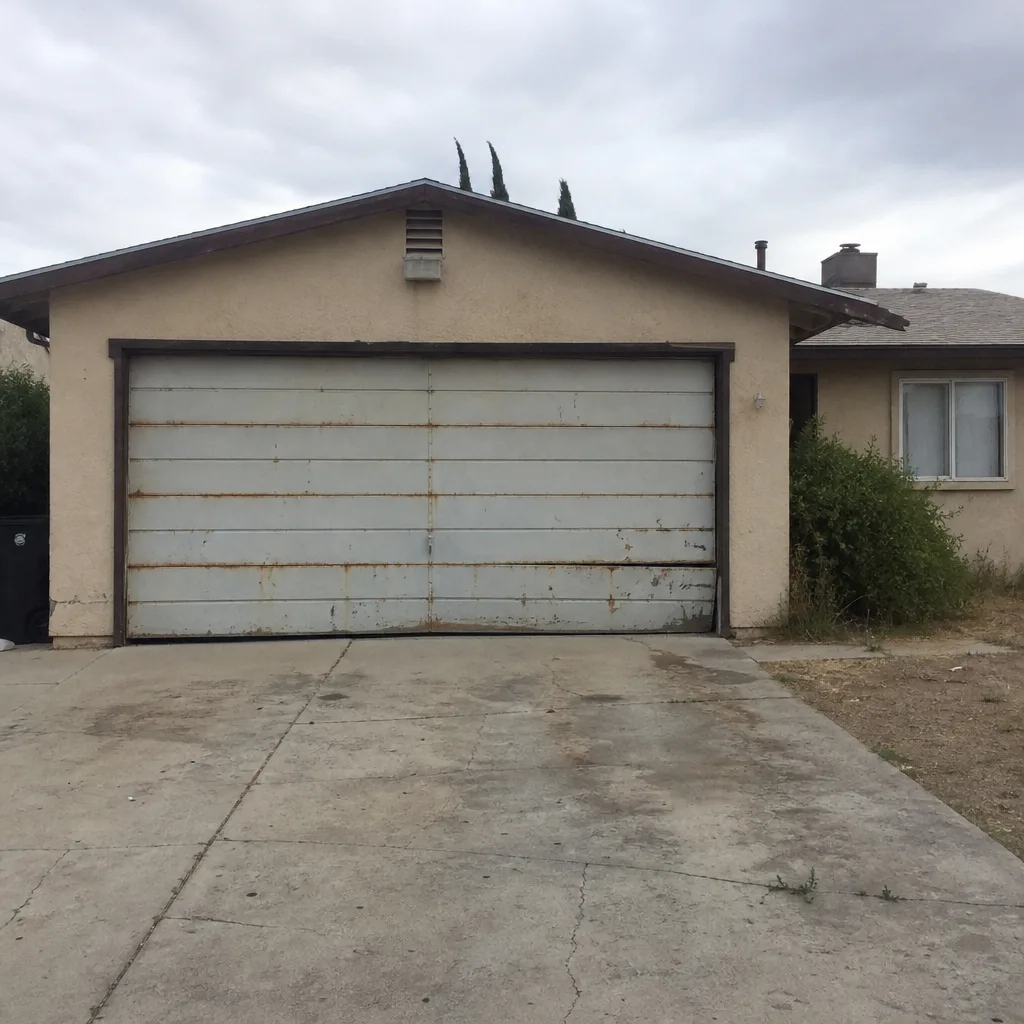 Before
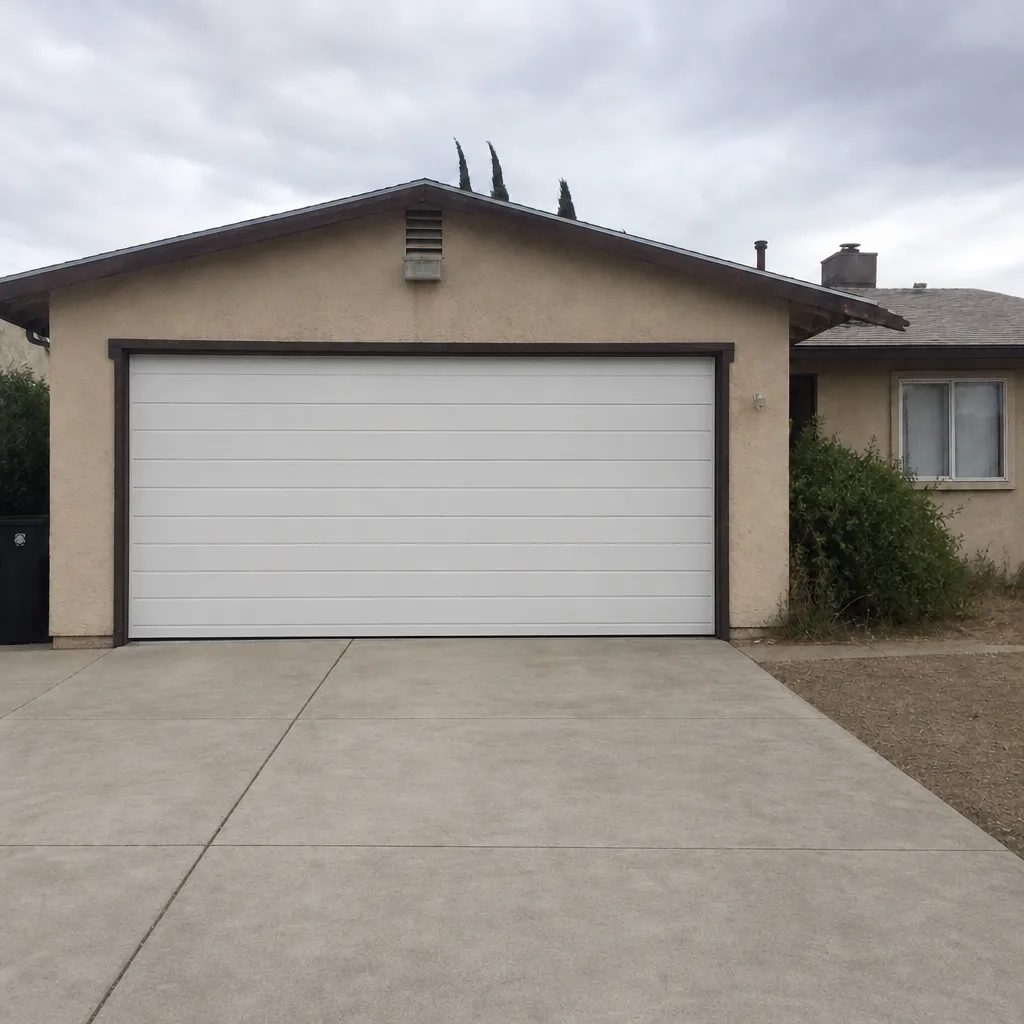 After
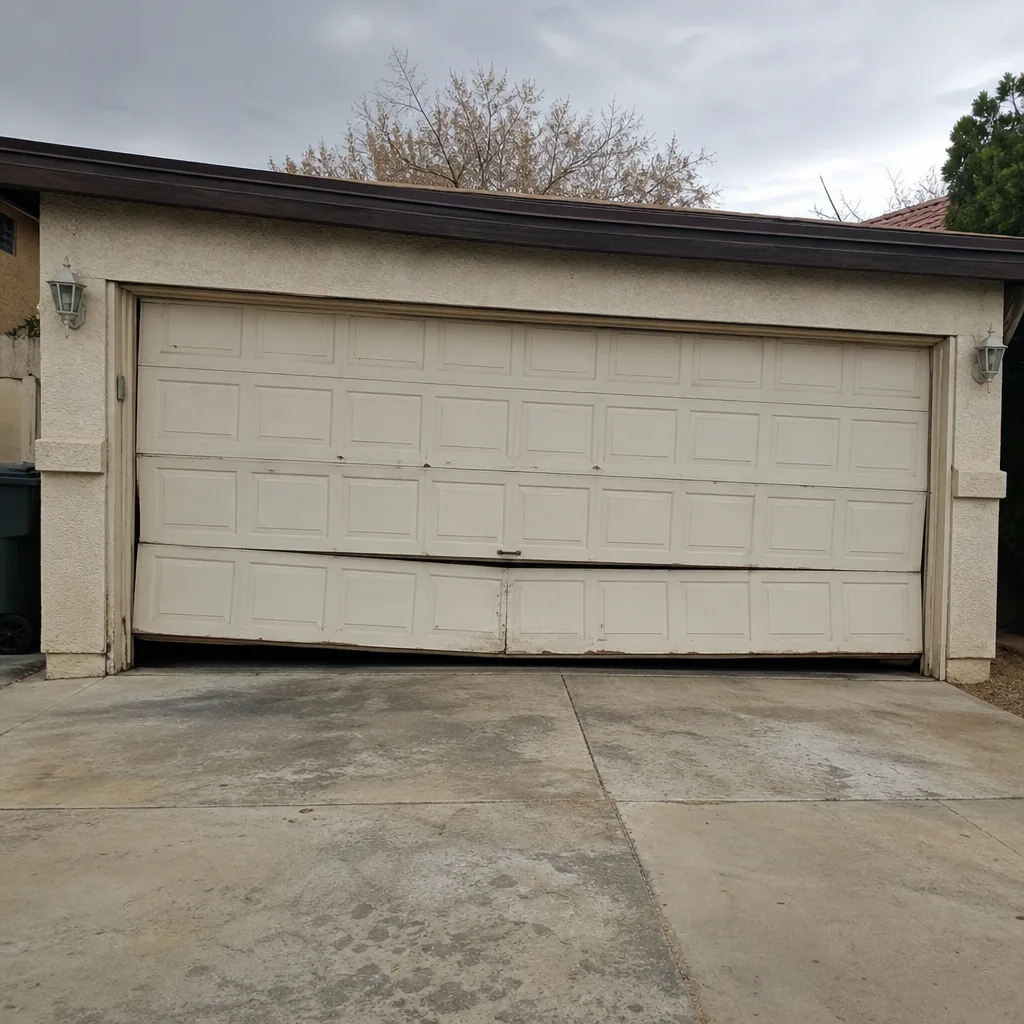 Before
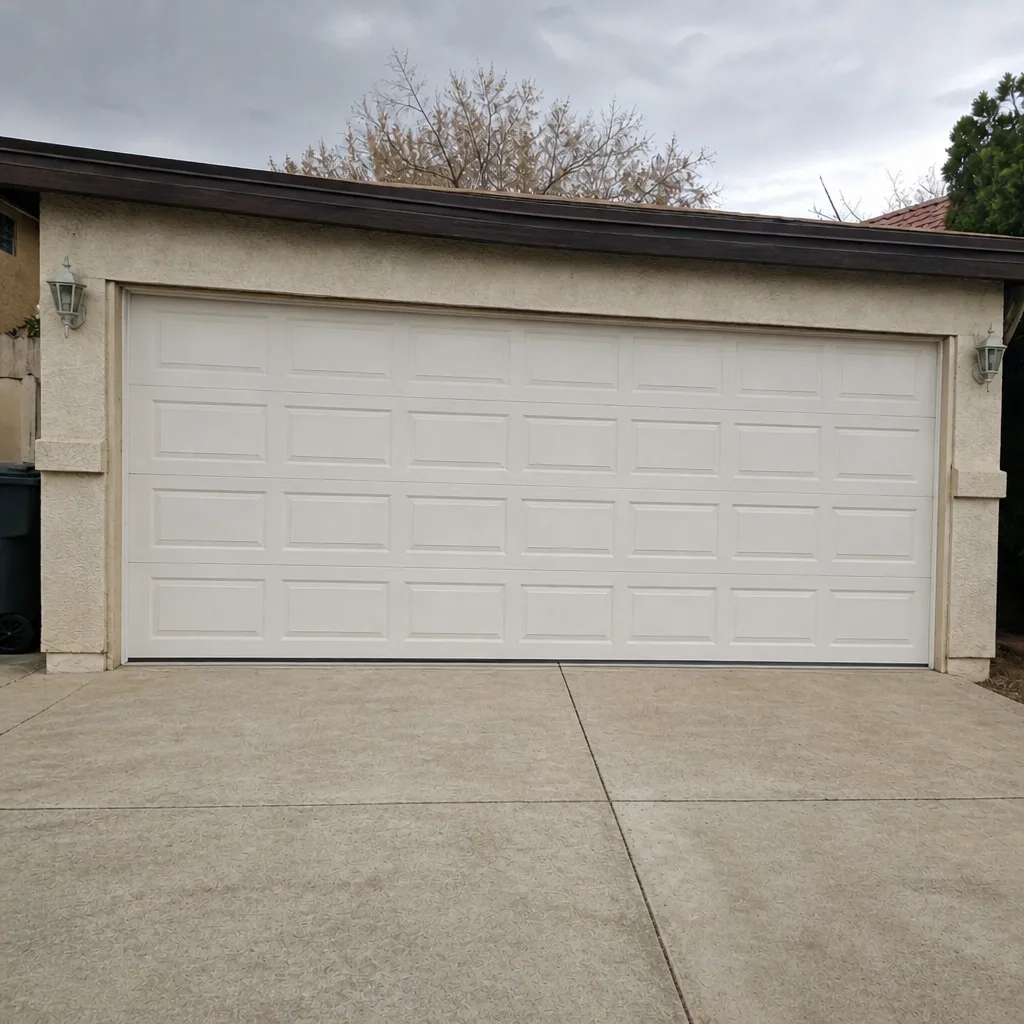 After
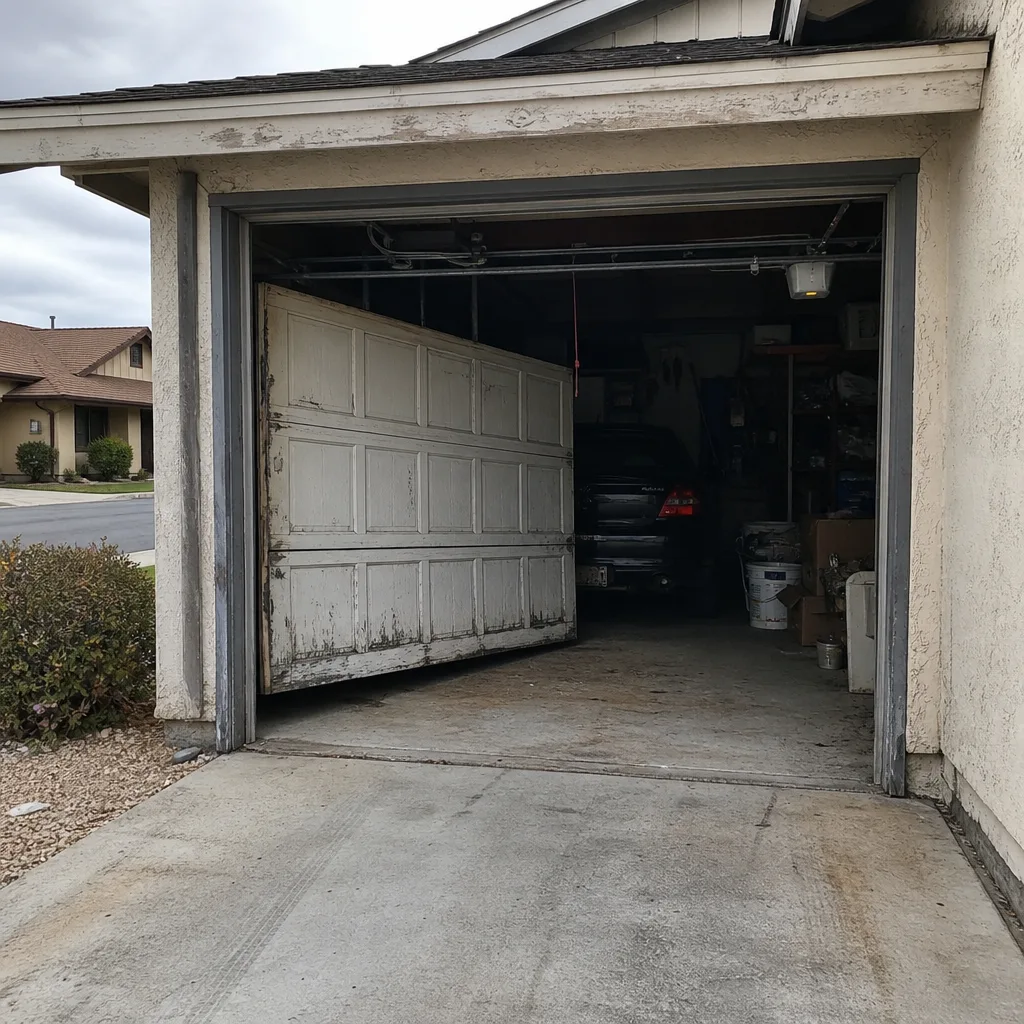 Before
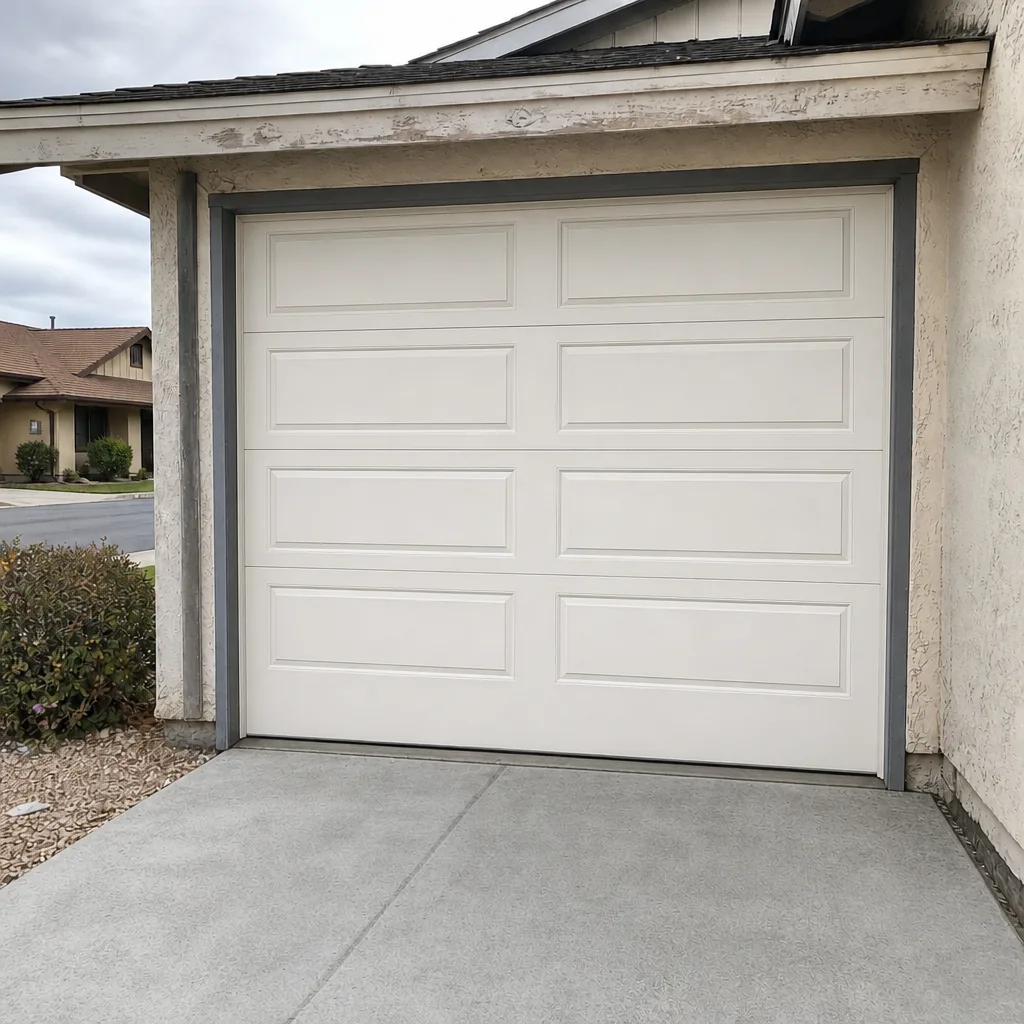 After
When to Call a Professional
Some garage door problems are obvious. A snapped spring leaves the door too heavy to lift, and the opener strains or stops. A broken cable lets one side sag. A door that’s come off its track needs a trained hand to reset it, not a pry bar and a friend. An opener that runs but doesn’t move the door, reverses immediately, or won’t respond to the remote points to a mechanical or electronic fault that needs diagnosis. And if the door is more than a decade old and you’re facing a major repair, it’s worth having someone assess repair versus replacement honestly. Grafton Garage Door Repair offers free estimates in Spring Valley. Call (877) 373-8712. We answer 24/7. Fast dispatch from 7am to 7pm, Sunday through Friday.
Frequently Asked Questions
Ask for the company’s Nevada contractor license number and look it up on the Nevada State Contractors Board website, confirming the license is active and the classification is C-5, which covers garage door work. The lookup takes about two minutes and should show a matching business name. If the number isn’t provided or the status isn’t active, keep looking. Call (877) 373-8712 for an exact quote – estimates are free.
Ask what brands they work with regularly, whether they carry springs on the truck, and how they troubleshoot opener electronics rather than just the mechanical parts. A specialist answers with specifics, naming manufacturers and explaining how they match a spring to a door’s weight. A generalist gives vague answers or says all brands are the same. Call (877) 373-8712 to talk through your door.
A clear estimate lists each part individually, shows labor as its own line, and names any flat fee rather than folding it into the parts price. Springs should appear with a count, since a matched pair costs roughly twice a single spring. The price is quoted and agreed before work starts, and the written estimate sets the final price. Call (877) 373-8712 for an exact quote – estimates are free.
You should get written terms covering both the parts and the labor, with specific time periods and a note on which components are covered. A verbal promise isn’t enough. Ask for the warranty document before work begins and check whether the company doing the repair is the one honoring the warranty. Call (877) 373-8712 to ask about our written terms.
The valley’s heat and dry air cause lubricant to dry out and stiffen the moving parts, while full sun on a west- or south-facing door adds heat to the spring and tracks. That means springs can fatigue faster and rollers can wear sooner. Regular lubrication and periodic inspection help. Call (877) 373-8712 to schedule a look at your door.
Often yes, if the company stocks common spring sizes and opener components on the truck rather than ordering everything per job. Ask about inventory before you book so a single repair doesn’t turn into several appointments. Our team works on Spring Valley homes with parts on hand. Call (877) 373-8712 for an exact quote – estimates are free.
The Bottom Line
The right garage door contractor in Spring Valley is one you can verify: an active C-5 license, a business that does garage doors as its actual trade, and a written estimate that separates parts from labor and states a written warranty. Ask about spring inventory and opener expertise, watch for out-of-state crews without a Nevada license, and insist the price is agreed before work starts. A specialist answers all of it without flinching. That’s the standard to hold every contractor to, and it’s the one we hold ourselves to at Grafton Garage Door Repair. Call (877) 373-8712. We answer 24/7. Fast dispatch from 7am to 7pm, Sunday through Friday.
Written by the team at Grafton Garage Door Repair, serving Spring Valley since 2013.