
Last updated November 14, 2026
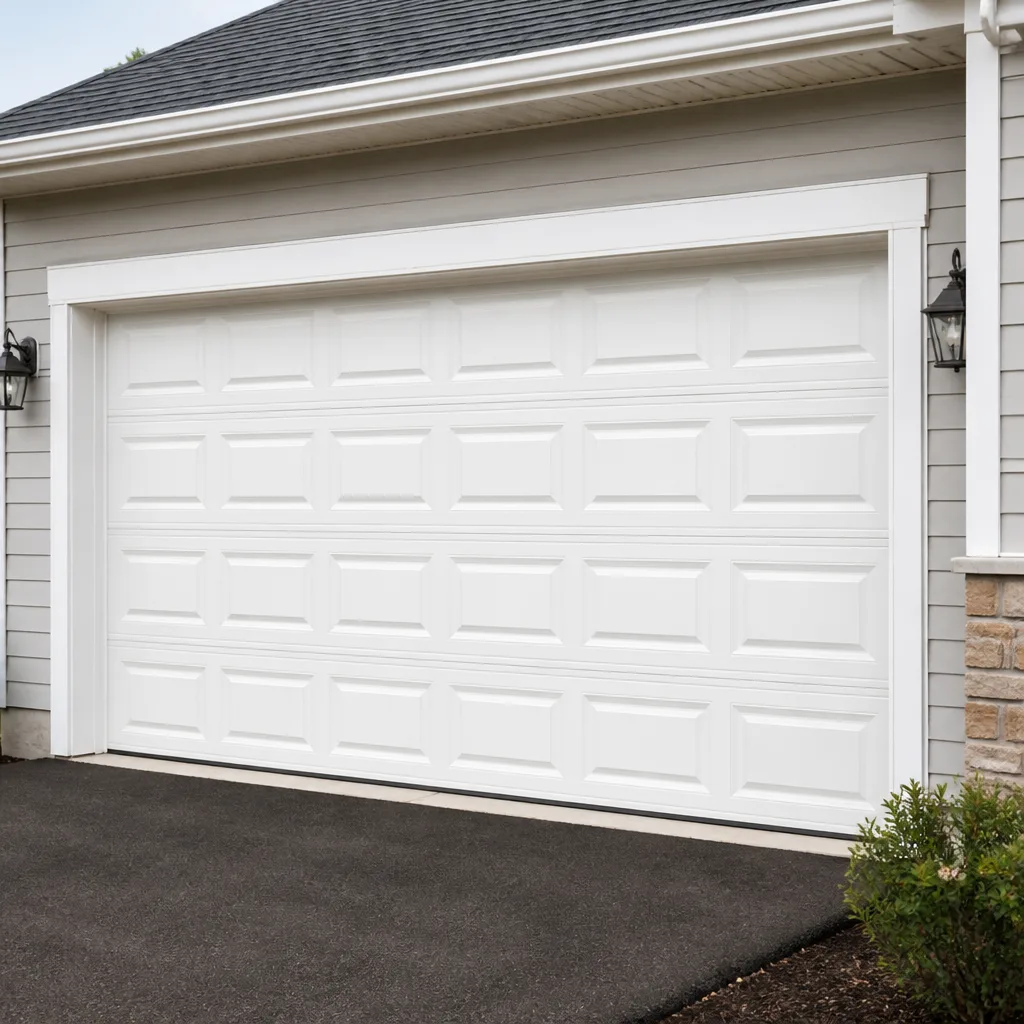 Raised-panel steel
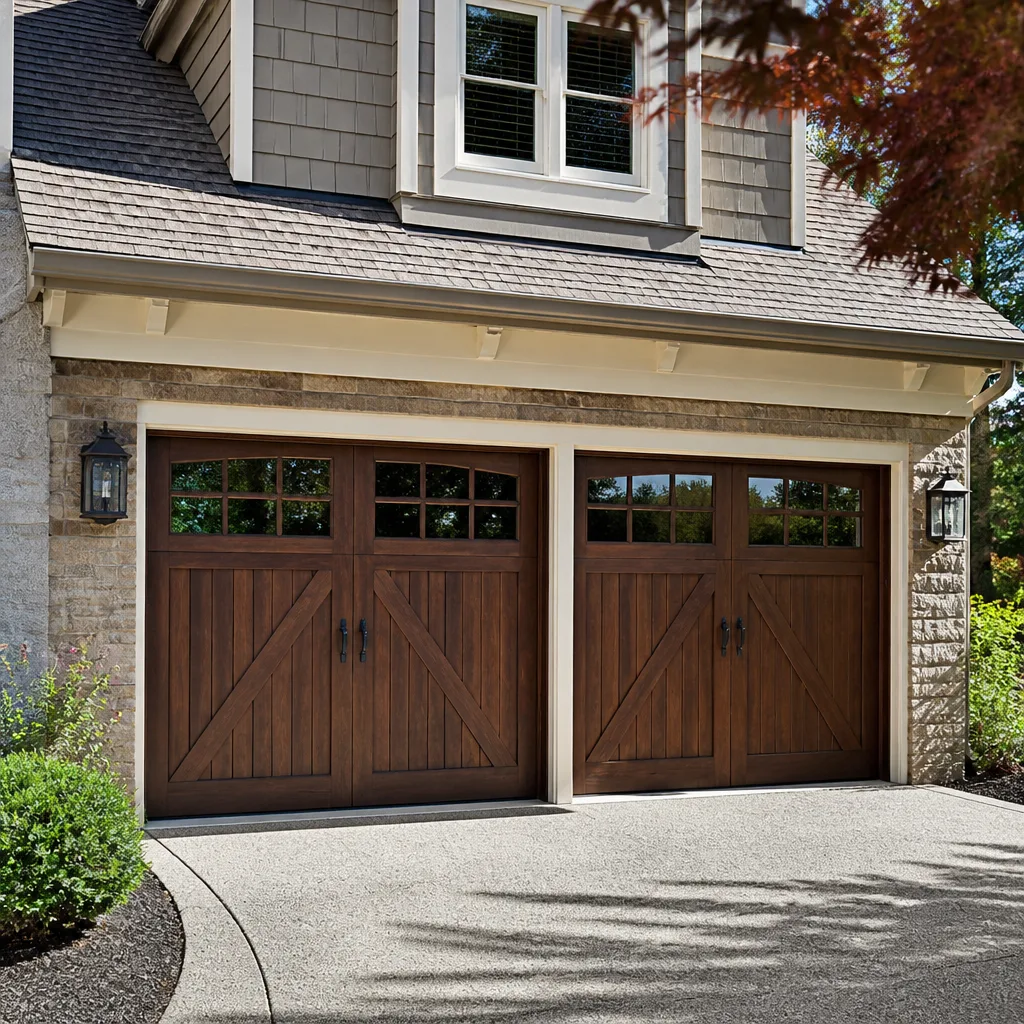 Carriage house
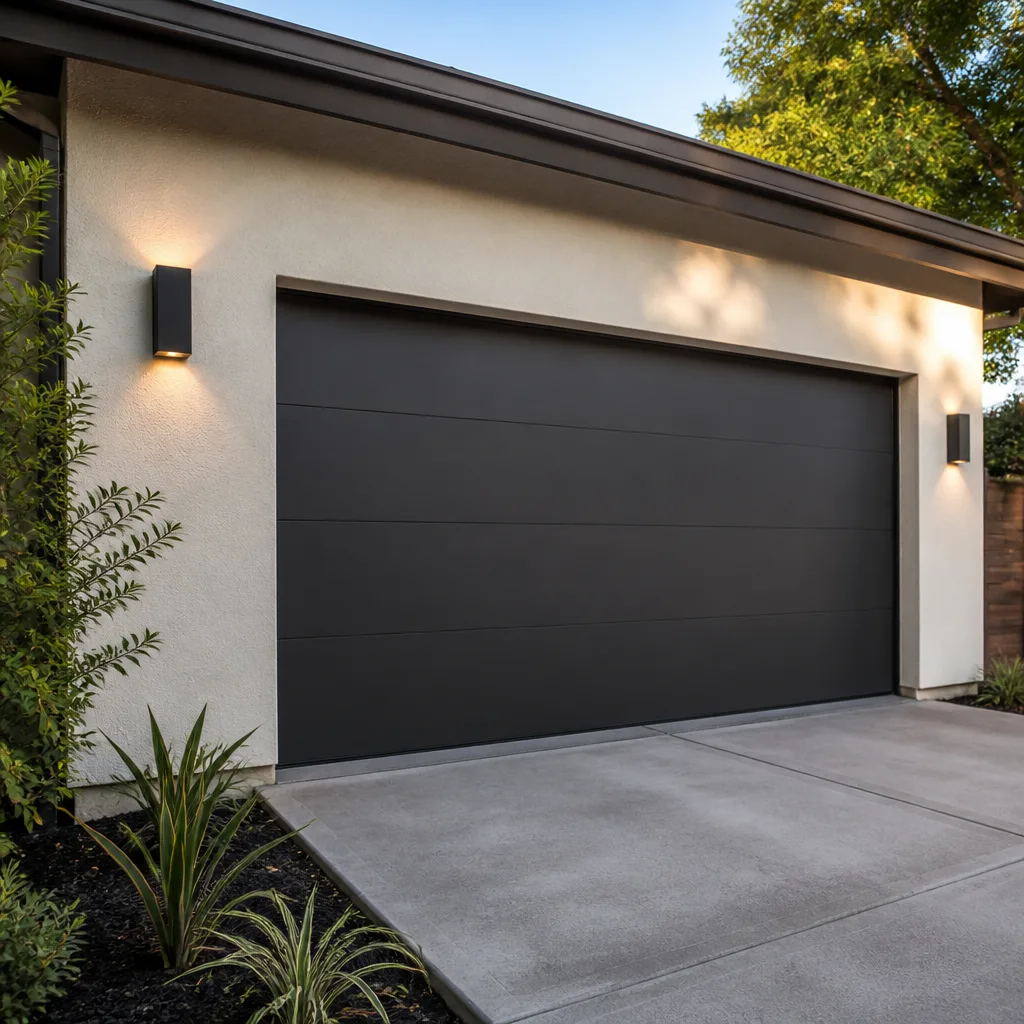 Modern flush
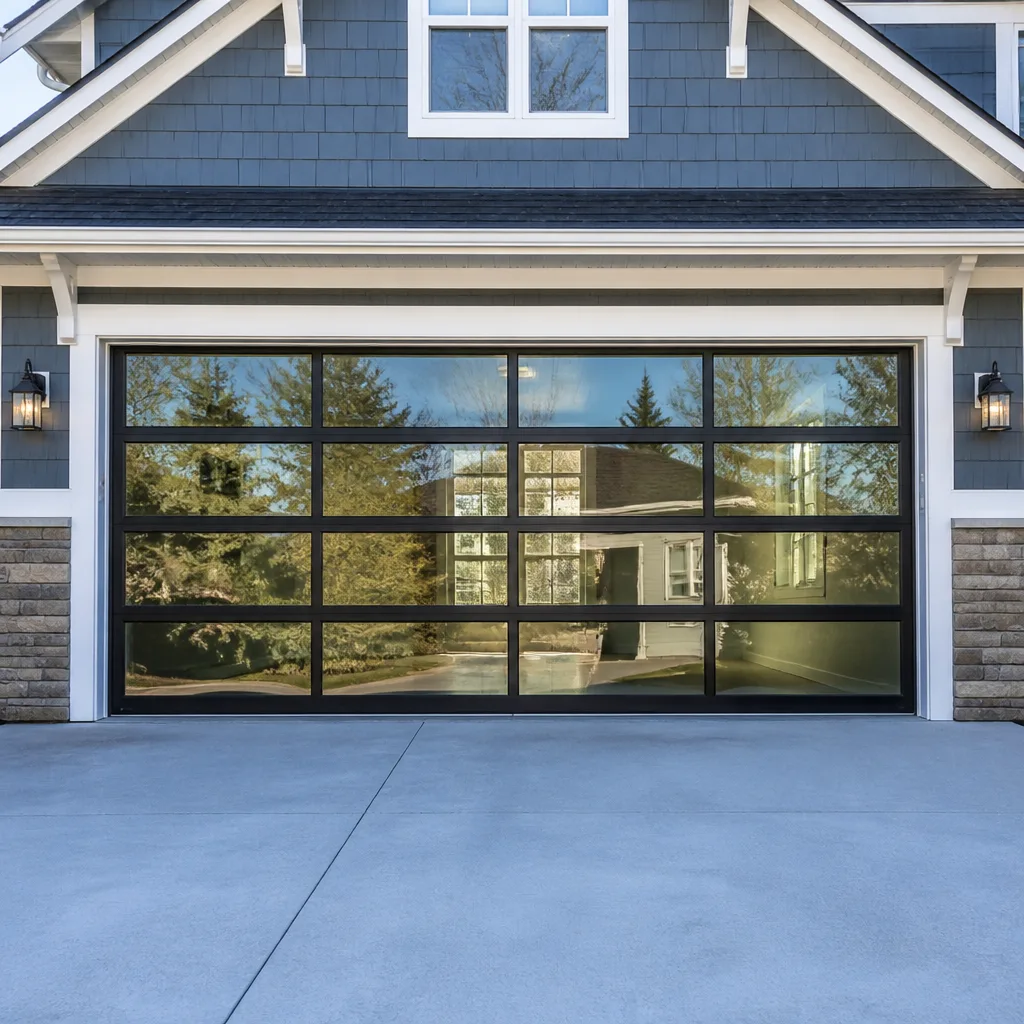 Full-view glass
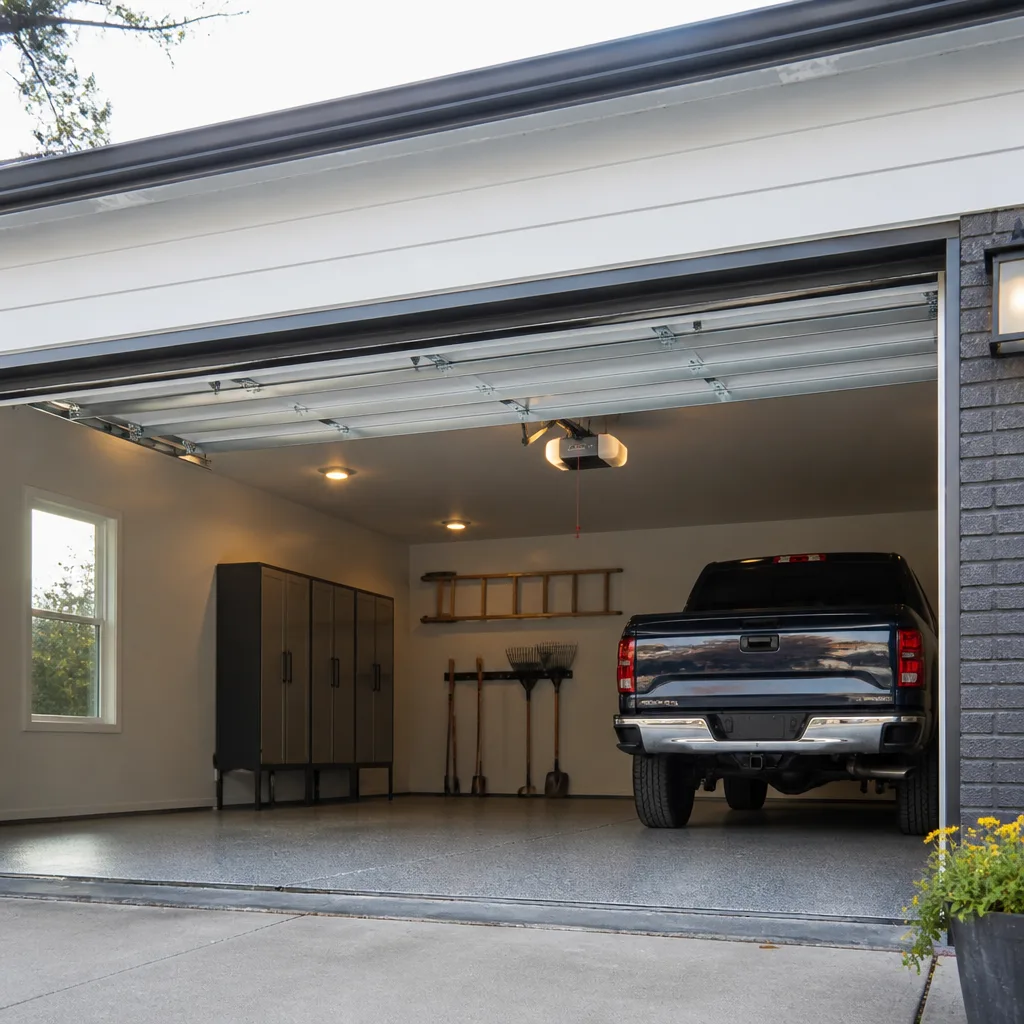 LiftMaster openers
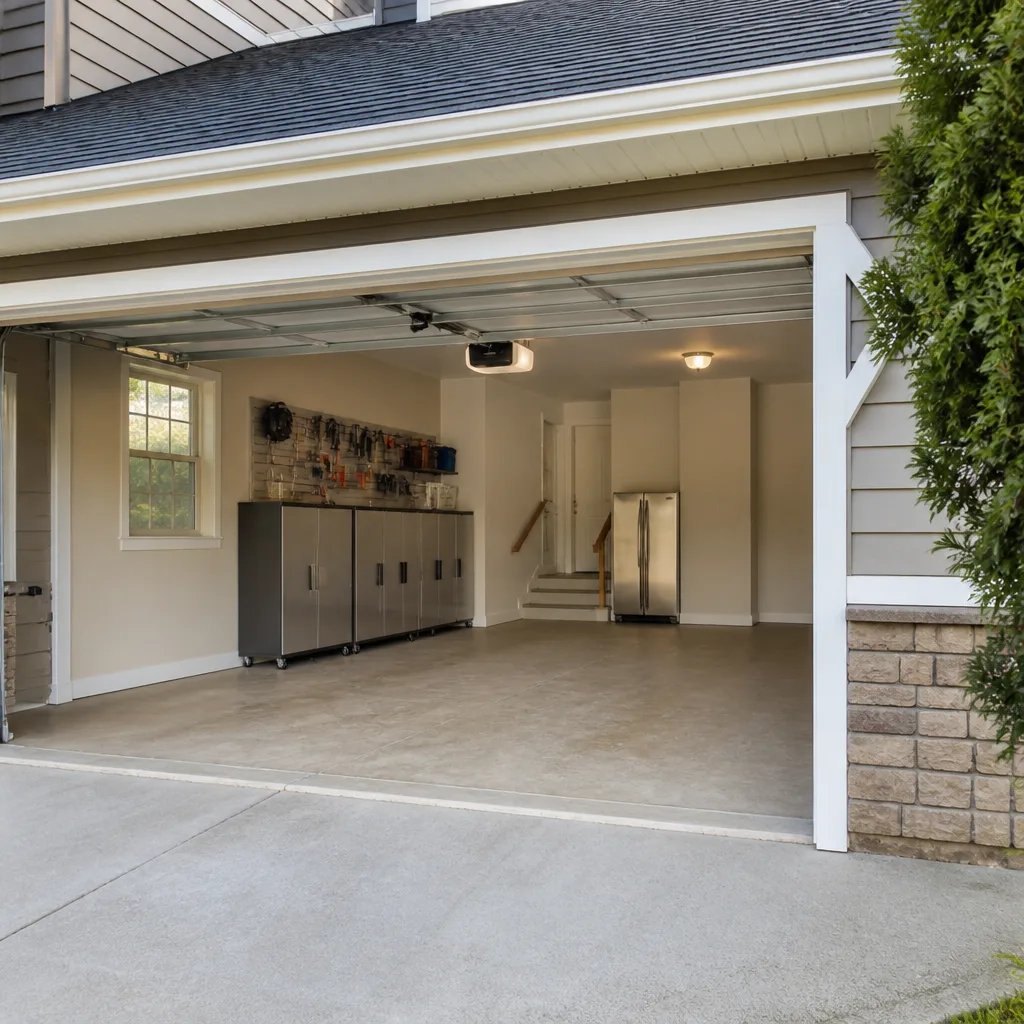 Chamberlain openers
Full 25-point door and opener safety check with every visit - springs, cables, rollers, tracks, and your LiftMaster or Chamberlain opener included
You get a price before we start. It does not change when the truck arrives.
Get your free estimateSeasonal Garage Door Care for Spring Valley: Year-Round Homeowner’s Guide
Most garage door care guides are written for places with four textbook seasons, and most of that advice is wrong for Spring Valley. You won’t find us bracing for lake-effect snow or fighting swampy humidity, so the usual spring-and-fall checklist misses the threats that actually wear down doors here. Our year has its own rhythm: a mild winter that still gets cold enough to thicken grease and stress springs overnight, a windy spring that drives sand and grit into every moving part, a brutal summer that bakes seals and cables, and a monsoon stretch that tests the weatherstripping after months of dry heat. The care calendar for a Spring Valley door looks nothing like the one written for Minnesota or Miami. This guide walks you through each phase of the year, in order, so you know what to check and when. We work on garage doors and only garage doors, so what follows is the kind of maintenance schedule a specialist would actually keep, not a generic seasonal to-do list.
Quick Answer
Seasonal garage door care in Spring Valley means servicing the door in four distinct stress phases rather than four traditional seasons: a pre-summer check on expansion gaps, UV-degraded seals, and opener ventilation before temperatures pass 100°F; a monsoon-season check (July through September) on seal integrity against sudden heavy rain; a post-summer inspection of torsion springs and cables after three months of extreme heat; and a winter cold-snap checklist for the 20 to 30 nights a year Spring Valley drops below 40°F, when door speed and opener torque both shift. Layered over all of it, spring balance testing should happen twice a year regardless of what the calendar says.
Styles & brands we work with
- Raised-panel steel
- Carriage house
- Modern flush
- Full-view glass
- LiftMaster openers
- Chamberlain openers
Table of Contents
- Why Spring Valley’s Climate Demands a Different Care Calendar
- Pre-Summer Protocol: Before Temperatures Top 100°F
- Monsoon Season Prep: July Through September
- Post-Summer Inspection: What Three Months of Heat Does to Your Door
- Winter Cold-Snap Checklist: The Nights Below 40°F
- The Twice-a-Year Task Most Homeowners Skip: Spring Balance Testing
- A Simple Month-by-Month Maintenance Routine
- Common Mistakes to Avoid
- When to Call a Professional
- Frequently Asked Questions
Why Spring Valley’s Climate Demands a Different Care Calendar
Spring Valley sits in a desert valley, and that single fact reshapes everything about garage door maintenance. Traditional seasonal guides assume you’re winterizing against snow load or de-icing a bottom seal frozen to the driveway. We do neither. What we get instead is a long, punishing stretch of dry heat, a windy spring that carries fine sand and dust, a concentrated monsoon window, and a winter that’s mild by national standards but still dips below 40°F on a run of nights each year. Those are four very different kinds of stress, and each hits the door and opener in a different place.
Heat is the dominant force. When daytime highs push past 100°F, every component on the door expands. The steel in a torsion spring, the rubber in your bottom seal, the metal tracks, the door panels themselves, all move at different rates. That expansion and contraction is normal. What’s not normal is the cumulative wear it produces over a summer when nobody’s checking the gaps. In our experience across Spring Valley, the doors that fail in August are usually the ones nobody looked at in May.
The dry wind is the second force. Sand that blows against a window doesn’t do much, but sand that blows into a safety sensor lens or a roller track does real damage over a season. And the monsoon, when it arrives, arrives suddenly, dumping heavy rain onto a door whose seals have spent three months baked stiff and shrinking. Add the winter cold snaps, and you have a year-round cycle with no true off-season. The rest of this guide breaks that cycle into manageable phases, so you can stay ahead of it instead of reacting to a snapped spring or a door that won’t close. If you ever want a professional eye on the whole system, our garage door repair service covers exactly this kind of seasonal inspection.
Pre-Summer Protocol: Before Temperatures Top 100°F
The weeks before the first 100°F day are the most valuable maintenance window of the entire year in Spring Valley. What you do now, usually in late spring, determines whether your door sails through summer or gives you trouble in July. Three areas deserve attention before the heat settles in.
Thermal expansion gaps. As the door panels and metal tracks expand, the clearances built into the system can close up. A gap that’s fine in March can bind in August. Check that the door moves freely through its full travel and that the tracks haven’t been pushed out of alignment by expansion against their mounting. Look at the gap between the door edge and the frame; it should be even and consistent. If the door starts to rub or shift at a specific point in its cycle, note where, because that’s telling you which side is under pressure.
UV seal degradation. Your bottom seal and any side weatherstripping take the most direct sun exposure of any part on the door. Desert UV is not gentle. It breaks down the rubber, which turns hard, cracks, and loses its ability to seal. Run your hand along the bottom seal and press it. It should still feel supple and spring back. If it’s hard, cracked, or crumbling at the edges, the summer heat will finish it off and let hot air, dust, and eventually rain straight into the garage.
Opener motor ventilation. The opener motor on your LiftMaster, Chamberlain, or Genie unit generates heat of its own, and it lives in a garage that’s about to become an oven. Make sure nothing is stacked on or around the motor housing, and clear away anything stored directly against it. A motor that can’t shed heat runs longer and harder on every cycle.
- Test the door’s full travel by hand and listen for rubbing or binding.
- Press the bottom seal to check for hardening and cracking.
- Clear storage away from the opener motor housing.
- Wipe dust from the safety sensor lenses before the windy season leaves grit behind.
- Note any panel that’s begun to get a gap at the frame as heat builds.
None of this takes long. It’s also the kind of check that catches a weak seal or a misaligned track before a summer of heat turns a small problem into a snapped component.
Monsoon Season Prep: July Through September
Spring Valley’s monsoon window runs roughly July through September, and it’s the one part of the year that turns a dry desert door into a wet-weather test. The tricky part is that the rain doesn’t arrive gradually. It comes after months of dry heat that have shrunk and stiffened every seal on the door. A door that kept out fine dust all summer can let water pour in the first time a heavy monsoon cell rolls through, because the seals have lost the suppleness they had in spring.
Seal integrity is the whole game in this season. Water that gets past a bottom seal doesn’t just make a puddle. It reaches the door’s hinges, rollers, and the bottom of the tracks, and it sits against the panel seams where moisture has nowhere to drain. That’s how you get corrosion and rust on parts that should never have been wet.
Here’s the pre-monsoon routine:
- Inspect the bottom seal along its entire length for gaps, flattened spots, and cracks, especially at the corners where water collects.
- Check the side and top weatherstripping for the same wear, and replace any section that no longer contacts the door.
- Confirm the door closes fully and evenly, because a door that stops an inch short of the ground leaves an open door for rain.
- Test your opener’s limits and force settings so the door seats properly against the seal rather than reversing early or leaving a gap.
- Clear your driveway and garage apron of anything that could pool water against the door.
It’s also worth knowing that summer heat and monsoon humidity together are the hardest combination on a door’s finish. If you’re seeing bubbles or peeling on the panels, that’s a sign the metal is moving under its paint. Our Grafton Garage Door Repair team can check the seal and alignment in a single visit so you’re not guessing at rain readiness with a storm on the horizon.
Post-Summer Inspection: What Three Months of Heat Does to Your Door
By the time the worst of the heat breaks, your door has been through its hardest stretch of the year. Late-summer and early-fall inspection is where you catch the damage three months of 100°F-plus days have quietly done. Two components get hit hardest: torsion springs and cables.
Torsion springs. Heat accelerates the fatigue that every torsion spring is subject to. The heat cycle expands and contracts the spring steel every day, and the cumulative effect is that a spring gets closer to its failure point faster in a hot climate than a cool one. You can’t restore a weakened spring with maintenance, but you can catch the warning signs. A door that’s become harder to lift by hand, that feels heavier than it used to, or that slams down rather than gliding closed is telling you the springs are losing tension. A visual check can also reveal gaps, rust, or a spring that has clearly stretched.
Cables. The cables that carry the door’s weight run over the drums at the top of the tracks, and heat plus dry conditions can leave them with frayed strands or slack. Run a gloved hand along each cable and look for broken strands, kinks, or a cable that’s come off its drum. A frayed cable is a safety issue, not a maintenance note. Do not try to adjust or replace cables yourself, because they’re under substantial tension and can cause serious injury. That’s a job for a trained technician.
- Check spring tension with a careful manual lift test, and listen for a door that feels too heavy.
- Look for gaps, rust, or stretch in the torsion springs.
- Inspect both cables for fraying, kinks, or slack, and leave repair to a professional.
- Re-check the bottom and side seals after the summer sun, since UV damage peaks in this stretch.
- Lubricate hinges, rollers, and tracks with a garage-door-specific lubricant before winter arrives.
This post-summer check is the one that prevents the winter surprises, because it’s your best chance to find worn parts while the weather’s still forgiving. If a spring or cable looks questionable, treat it as a safety matter. Our Spring Valley team handles spring and cable work routinely and can tell you whether a part needs replacement or just adjustment.
Winter Cold-Snap Checklist: The Nights Below 40°F
Spring Valley’s winter is mild, but it isn’t warm. Across a typical winter you’ll get about 20 to 30 nights when the temperature drops below 40°F, and those nights change how your door behaves. It’s not the sustained deep freeze of a northern city, but a cold night is still cold enough to matter. Two things shift when the temperature falls.
Door speed. The grease in your hinges, rollers, and track lubricant thickens as it cools. A door that glides smoothly at 70°F can move sluggishly on a 38°F night because the parts are meeting more resistance. That extra resistance doesn’t just make the door feel slow. It puts added strain on the opener, which has to work harder to move the same weight.
Opener torque. Openers have force and torque settings that are tuned for normal conditions. When the door gets harder to move on a cold night, a setting that was fine in summer can struggle. Modern openers from LiftMaster, Chamberlain, and Genie will often reverse or stop if they meet too much resistance, because that’s a safety feature, not a fault. An opener that quits on a cold night may simply need its force limits adjusted, not replaced.
Here’s the winter cold-snap checklist:
- Test the door on the first cold night and note any slowness or stalling.
- Confirm the opener completes its cycle without reversing or stopping short.
- Make sure the lubricant you used is rated for cold weather so it doesn’t gum up.
- Check that the bottom seal hasn’t frozen to the ground on a wet, cold night.
- Keep the tracks clear of any grit that could bind in cold weather.
If your door or opener acts up specifically on cold nights and runs fine during the day, that’s a useful clue for a technician. It usually points to lubrication and force settings rather than a failed part, and a garage door opener repair visit can dial it in quickly.
The Twice-a-Year Task Most Homeowners Skip: Spring Balance Testing
There’s one maintenance task that matters more than any other and gets skipped more than any other: testing the spring balance. It should happen twice a year, in spring and again in fall, regardless of what the weather is doing. The reason it gets skipped is simple. It requires you to disconnect the opener and lift the door by hand, and most people either don’t know how or don’t want to. But a balance test is the single best way to catch spring tension loss before it becomes a snapped spring.
A balanced door should be easy to lift, should stay put when you let go halfway up, and should come down under control. It shouldn’t feel heavy, and it shouldn’t drop. If it fails any of those checks, the springs are telling you they’re losing tension.
- Close the door and pull the opener’s release cord to disconnect it from the door.
- Lift the door by hand to about halfway and let go. It should hold there without help.
- Lower it slowly and feel for any point where it gets suddenly heavy or hard to control.
- Reconnect the opener afterward and run the door through a full cycle to confirm.
What you should never do is try to adjust or replace the torsion springs yourself. Springs and cables are under high tension and can cause serious injury, which is why this is a trained-professional task. A balance test tells you when to call; it doesn’t tell you to fix it yourself. Owners who test twice a year catch most spring problems while they’re still a maintenance call rather than a mid-driveway emergency. We’ve seen it enough in Spring Valley to know that the twice-a-year habit, done faithfully, is worth more than any single repair.
A Simple Month-by-Month Maintenance Routine
Between the big seasonal checks, a light monthly routine keeps the door tracking well and catches small issues early. This isn’t heavy work. It’s fifteen minutes a month, and it lets you spot a change before it turns into a repair. Spring Valley homeowners who follow a routine like this tend to catch wear during the mild stretches instead of discovering it during a heat wave or a monsoon.
- Monthly: wipe the safety sensor lenses, listen to the door cycle, and look for anything loose.
- Monthly: clear sand and grit from the tracks with a brush, and check that the door travels without rubbing.
- Every two months: lubricate hinges and rollers with a garage-door lubricant, and inspect the bottom seal.
- Seasonally: run the full checks in this guide before summer, before monsoon, after summer, and during the first cold snap.
- Twice a year: do the spring balance test, in spring and fall.
If your door services a home in Spring Valley and it’s on a LiftMaster or Chamberlain opener, pay extra attention to the safety sensor alignment during the windy months, since a bumped sensor is one of the most common reasons a door won’t close. Any brand your door uses, the routine is the same, but the specifics of force settings, limits, and sensor behavior vary by model. Knowing your actual opener, rather than applying one generic fix, is what separates a routine adjustment from a wasted afternoon.
Common Mistakes to Avoid
- Following snow-country advice. Winterizing a garage door for snow load wastes effort in Spring Valley and distracts from the real threats: heat, UV, sand, and monsoon rain. Skip the freeze-prep and focus on seals and springs.
- Skipping the pre-summer check. Waiting until a July heat wave to inspect expansion gaps and seals means you find the problems when they’ve already failed. The late-spring window is when the work actually pays off.
- Ignoring UV-damaged seals. A hard, cracked bottom seal seems like a minor detail until monsoon rain comes through it. Replace it before the wet season, not after the garage floods.
- DIY spring and cable work. This is the mistake with the worst consequences, because springs and cables are under high tension and can cause serious injury. A balance test tells you when to call a professional; it doesn’t mean you should do the repair.
- Overlooking wind-driven grit. Sand that lodges in tracks and sensor lenses causes binding and false sensor trips that get blamed on the opener. A regular clear-out prevents both.
- Never testing balance. Homeowners skip the spring balance test more than any other task, and it’s the one that catches failing springs before they snap. Do it twice a year, every year.
- Blaming the opener for a weather problem. A door that quits on a cold night or a hot afternoon usually has a lubrication or force-setting issue rather than a dead opener. Diagnose before replacing.
When to Call a Professional
Most routine care is within reach of a careful homeowner, but some situations call for a trained technician. Call us if the door feels noticeably heavier than it used to, if a torsion spring shows a gap, rust, or stretch, or if a cable is frayed, kinked, or off its drum. Those are safety matters, and they’re not something to troubleshoot alone. Call if the door comes off its tracks, if it reverses or stops unpredictably, or if the opener runs but the door doesn’t move. Call if the door has become slow on cold nights or sluggish in the heat and adjustment doesn’t solve it. Call if you notice a seal that no longer touches the door, or a gap at the bottom that lets rain or dust in. And call if the door makes a noise you can’t place.
Grafton Garage Door Repair offers free estimates in Spring Valley. Call (877) 373-8712. We answer 24/7 and dispatch crews from 7am to 7pm, Sunday through Friday. A call outside dispatch hours is booked into the next opening, Sunday through Friday, 7am to 7pm.
We’re a single-trade specialist, so every part and tool is chosen for garage doors, and we’re familiar with your brand before we arrive. The written estimate sets the price, and we quote and agree on it before any work starts.
Frequently Asked Questions
Do a light check monthly and a full seasonal inspection four times a year, aligned to the local stress phases: before summer, before monsoon, after summer, and at the first cold snap. Layer a spring balance test on top twice a year. In Spring Valley that schedule catches the problems the heat, wind, and rain produce before they turn into repairs.
Not the way most guides describe it. You won’t need to prepare for snow load or sustained freezing, but you should do a cold-snap checklist for the 20 to 30 nights a year the temperature drops below 40°F. On those nights the grease thickens, the door gets sluggish, and the opener’s force and torque settings may need adjusting. Check the door on the first cold night and note any change.
Because heat expands the door’s metal parts, hardens the seals, and makes the opener work harder in a hot garage. A door that binds at a specific point, a seal that’s turned hard and cracked, and an opener that runs longer than usual are all summer symptoms. They usually point to expansion gaps, UV-damaged seals, or motor overheating that a pre-summer check would have caught.
No. Torsion springs and the cables that work with them are under high tension and can cause serious injury, so this is a job for a trained technician. What you can do is the twice-a-year balance test to catch a weakening spring before it fails. If the door feels heavy or won’t stay halfway up, stop and call a professional.
We offer free estimates in Spring Valley, and the price for any repair or adjustment is set by a written estimate that we quote and agree on before work starts. A call for an inspection or a repair doesn’t commit you to anything beyond the quote you approve. Call (877) 373-8712 for an exact quote and we’ll walk you through what we find.
Wind-driven sand and grit most likely knocked a safety sensor out of alignment or clouded its lens, which stops a door from closing as a safety measure. It’s one of the most common reasons a Spring Valley door won’t close after the windy season. Wipe the lenses and check the alignment first. If the door still won’t close, the opener or the sensor wiring may need a technician’s look.
The Bottom Line
Spring Valley doesn’t have four traditional seasons, so seasonal garage door care here follows four stress phases instead: pre-summer checks on expansion, seals, and opener ventilation; monsoon-season attention to seal integrity against sudden rain; a post-summer inspection of springs and cables; and a winter cold-snap routine for the nights below 40°F. Brushed over all of it, the twice-a-year spring balance test is the single most valuable habit a homeowner can keep. Follow the month-by-month routine, respect the safety limits on springs and cables, and call a specialist when something feels off. Call (877) 373-8712 for a free estimate. We answer 24/7 and dispatch crews from 7am to 7pm, Sunday through Friday.
Written by the team at Grafton Garage Door Repair, serving Spring Valley since 2013.
See the difference
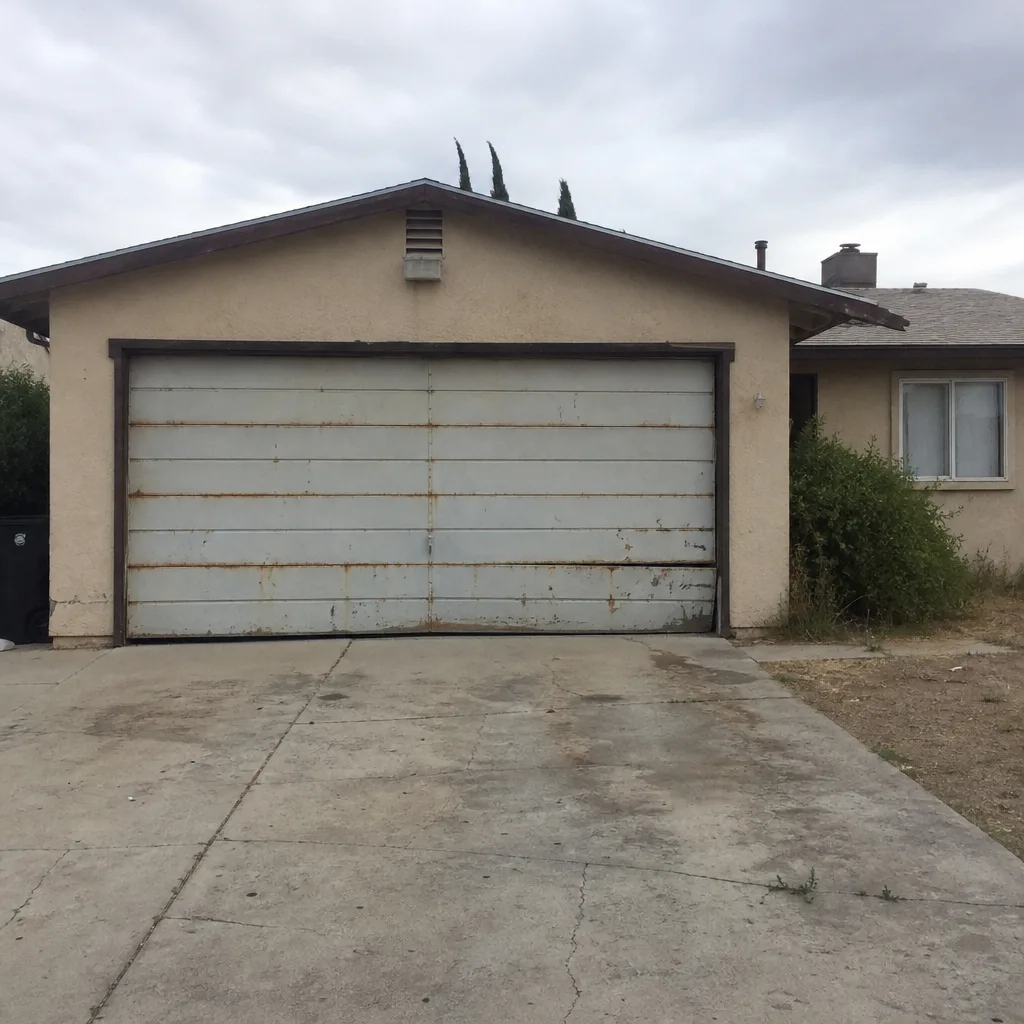 Before
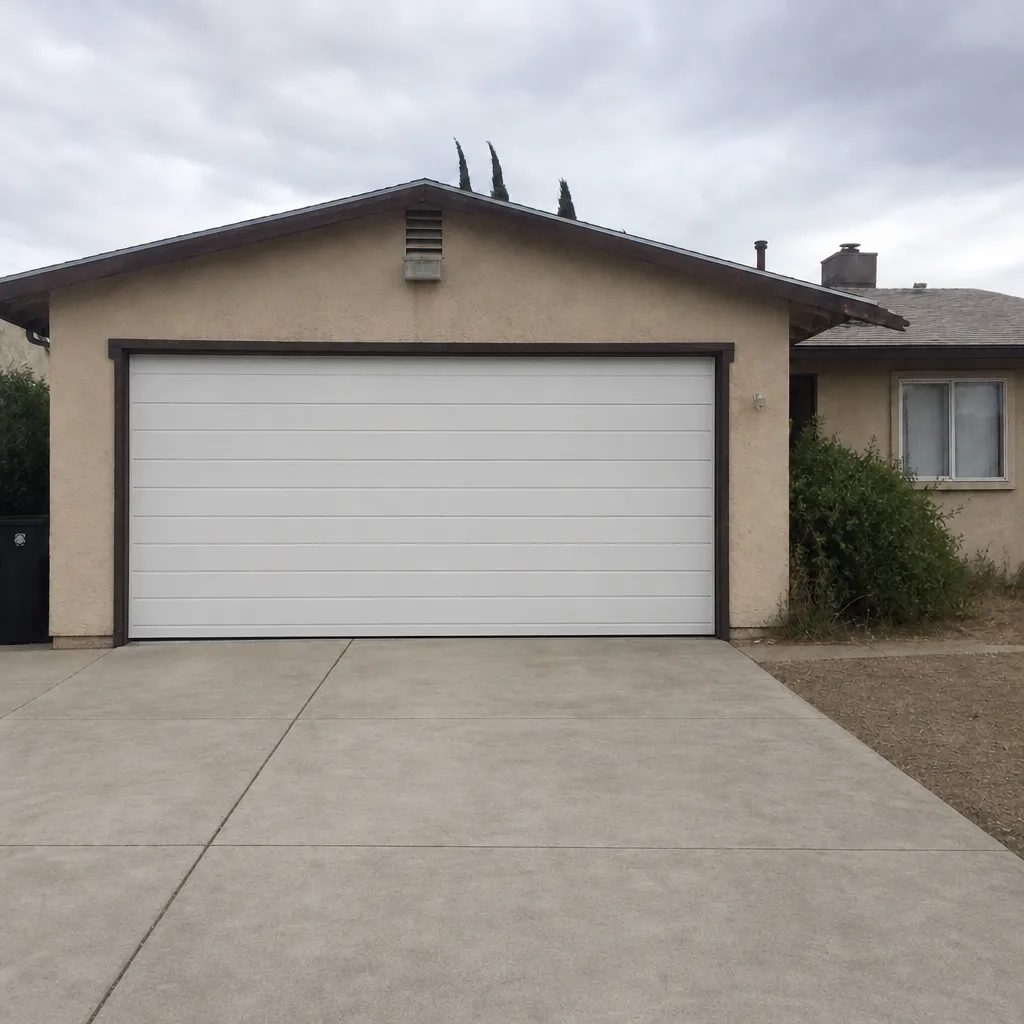 After
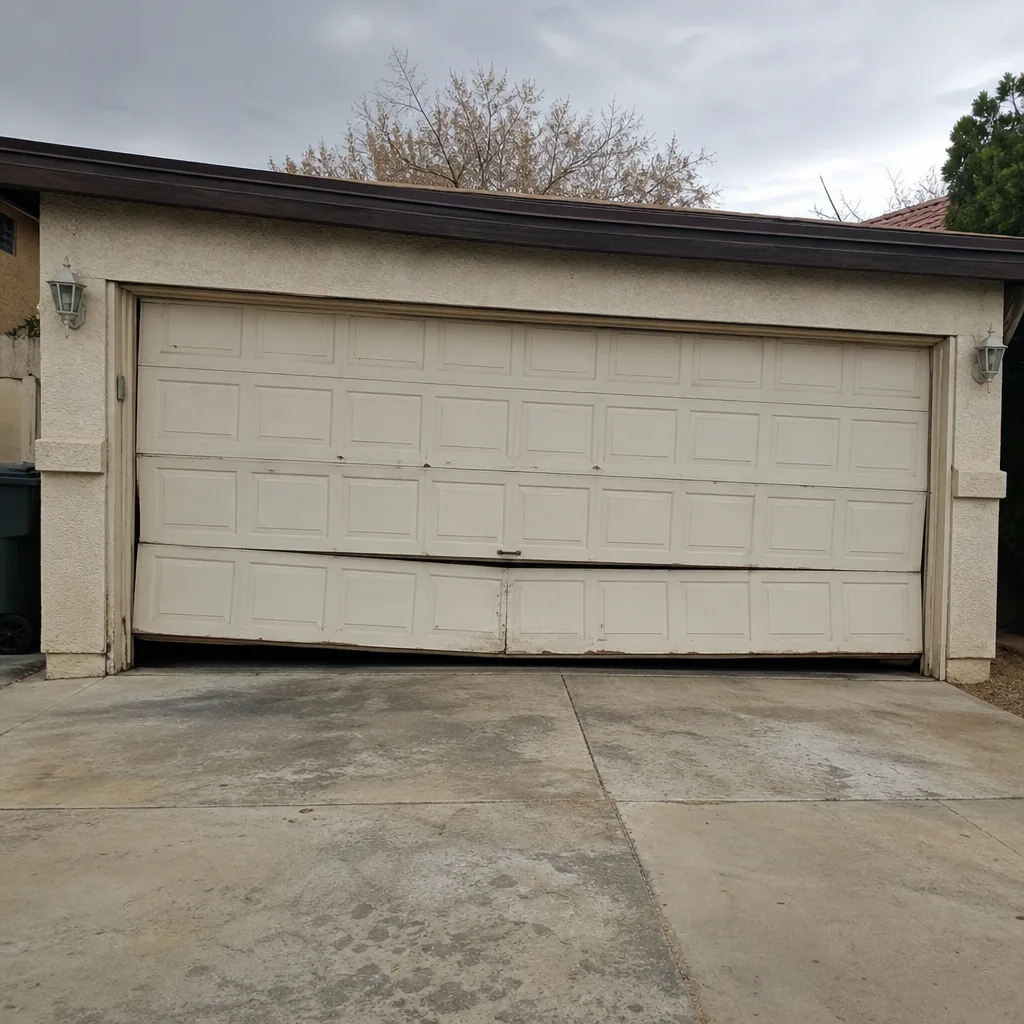 Before
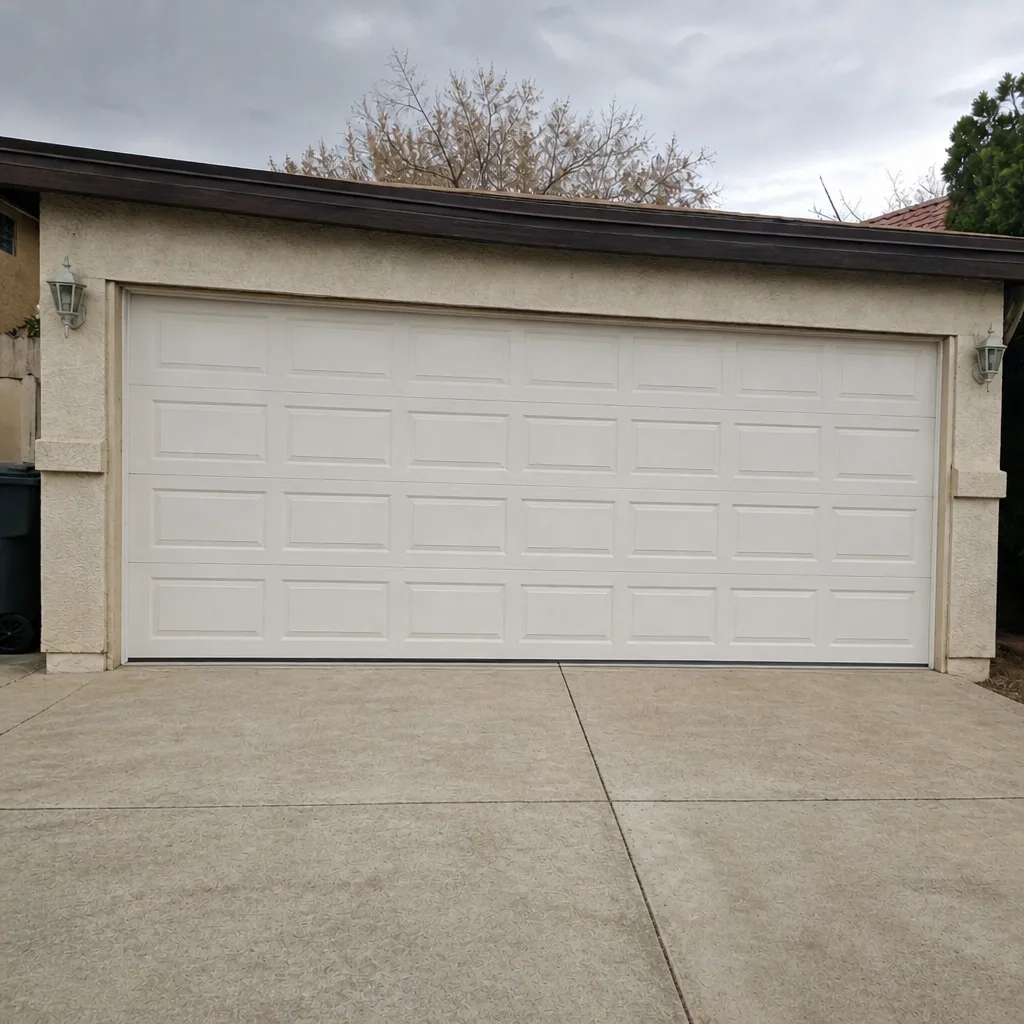 After
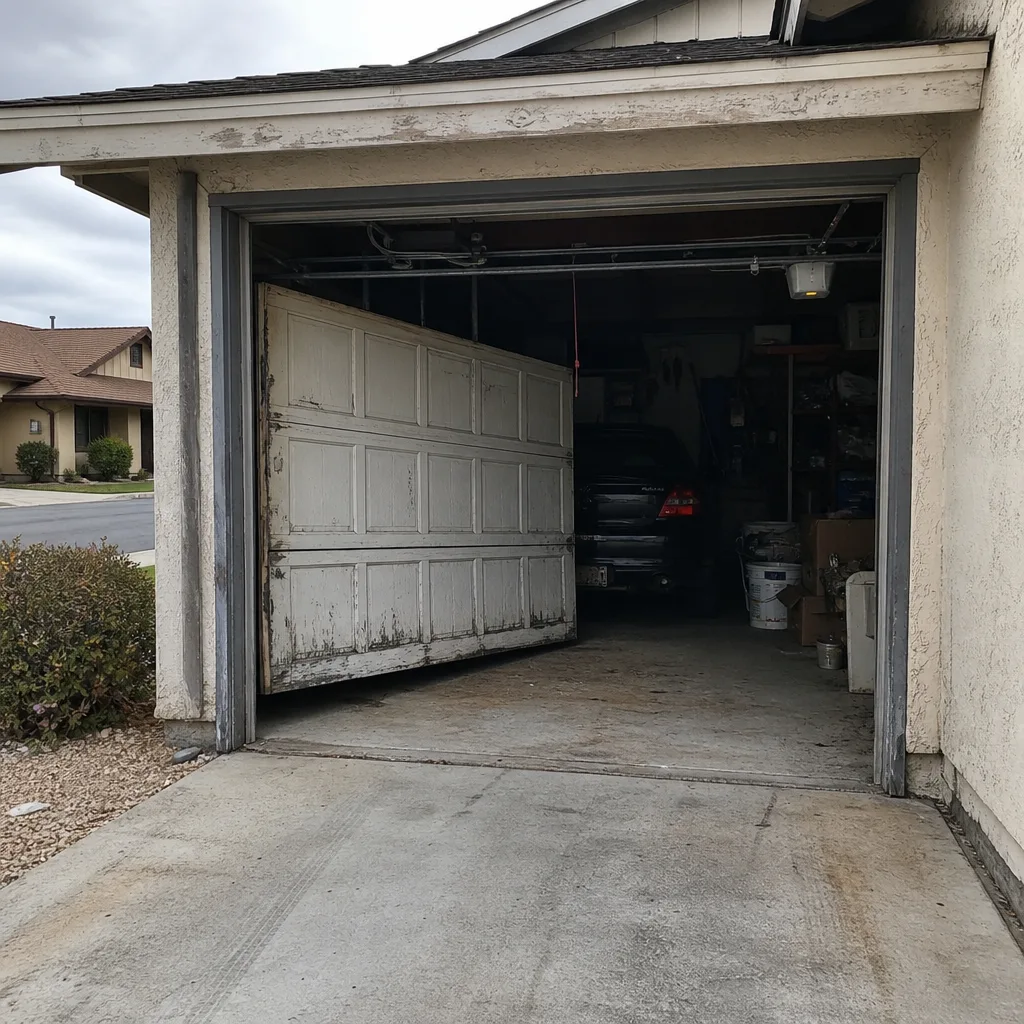 Before
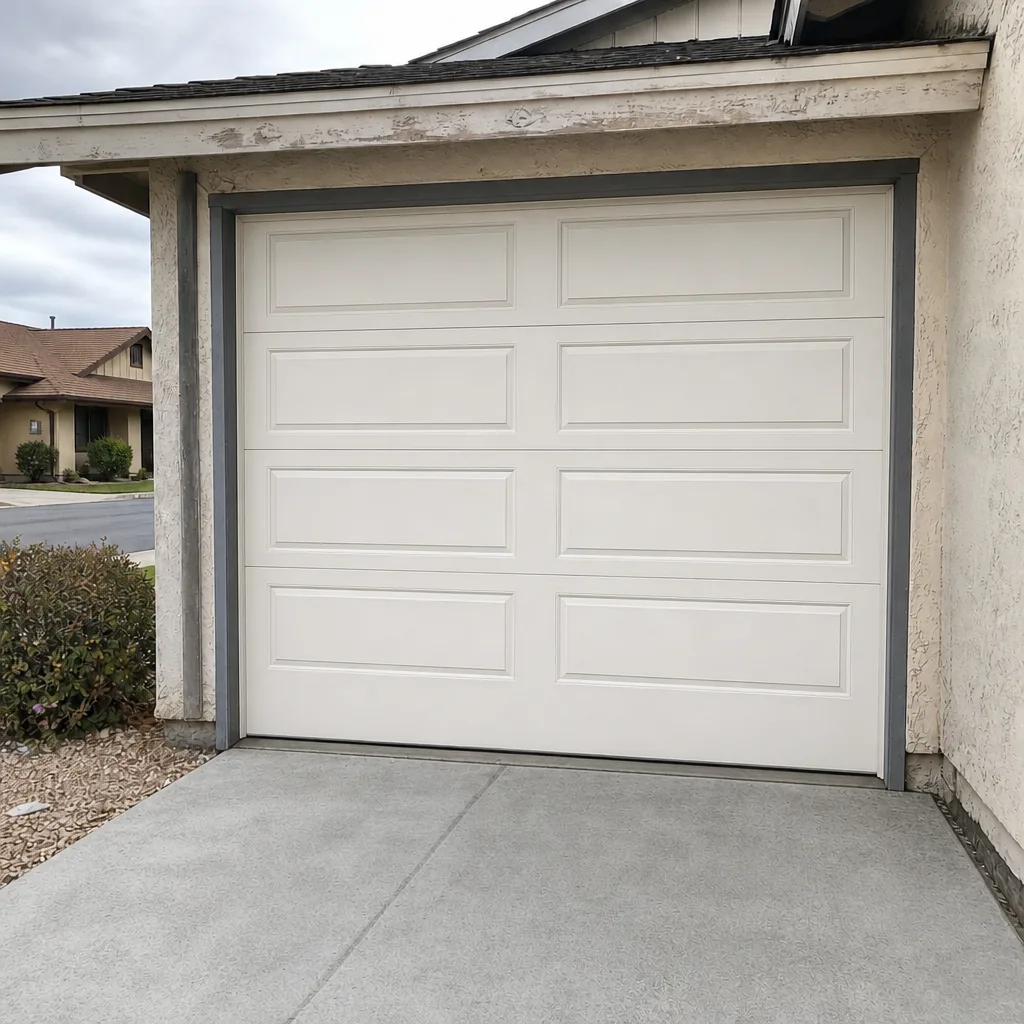 After