
Last updated November 14, 2026
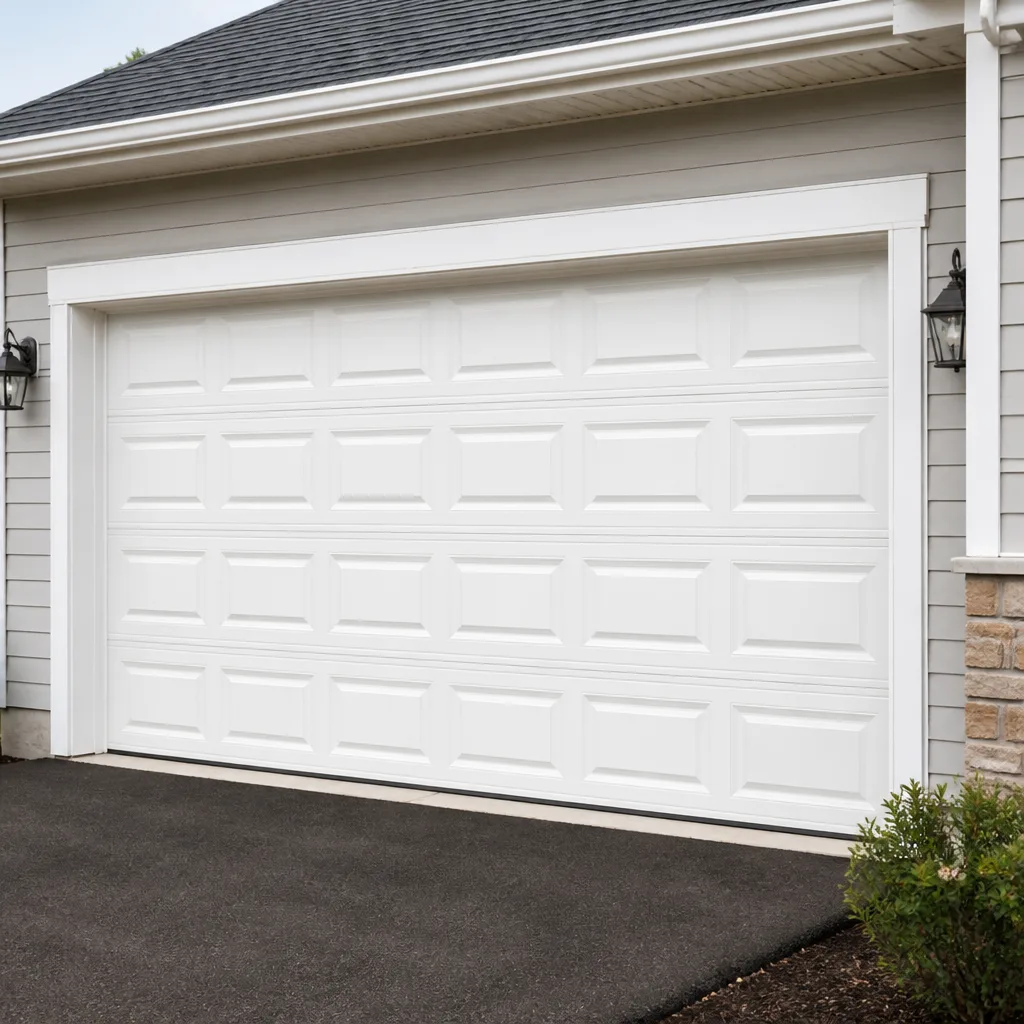 Raised-panel steel
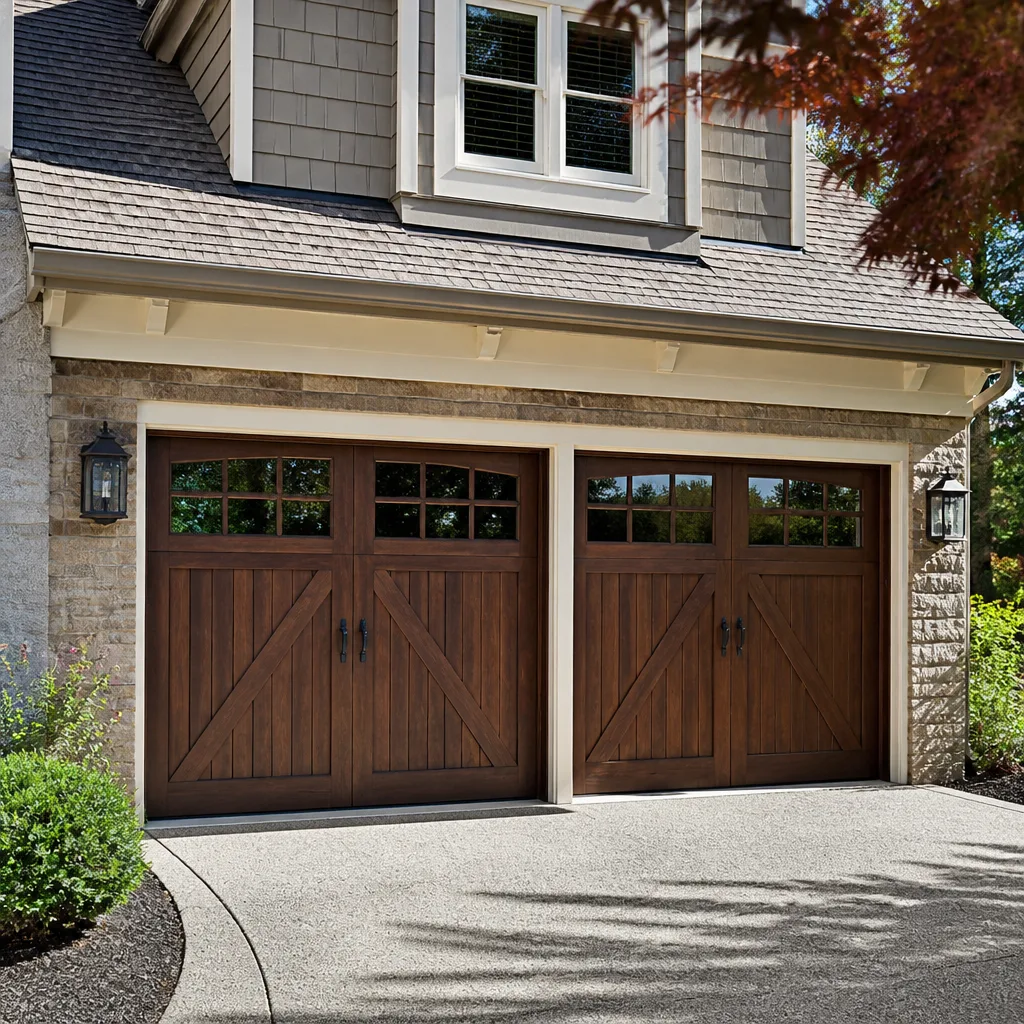 Carriage house
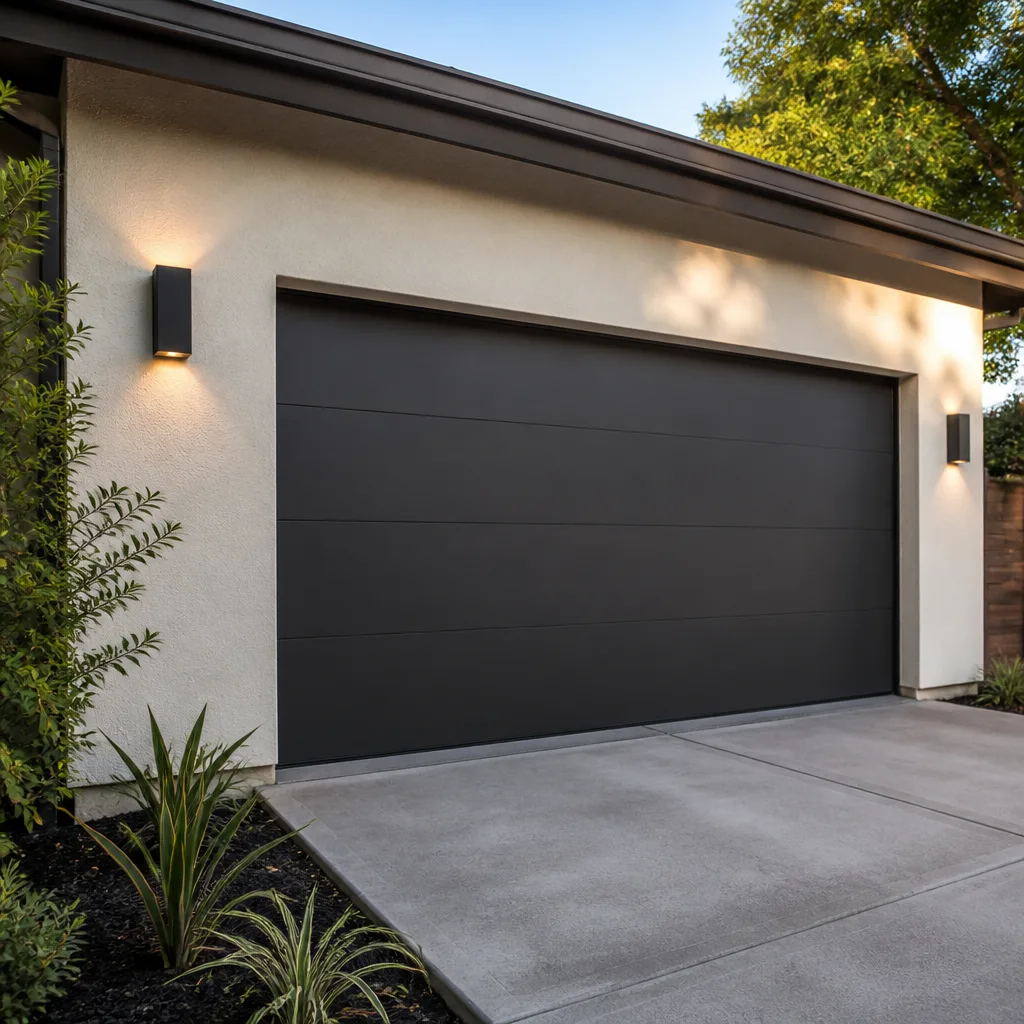 Modern flush
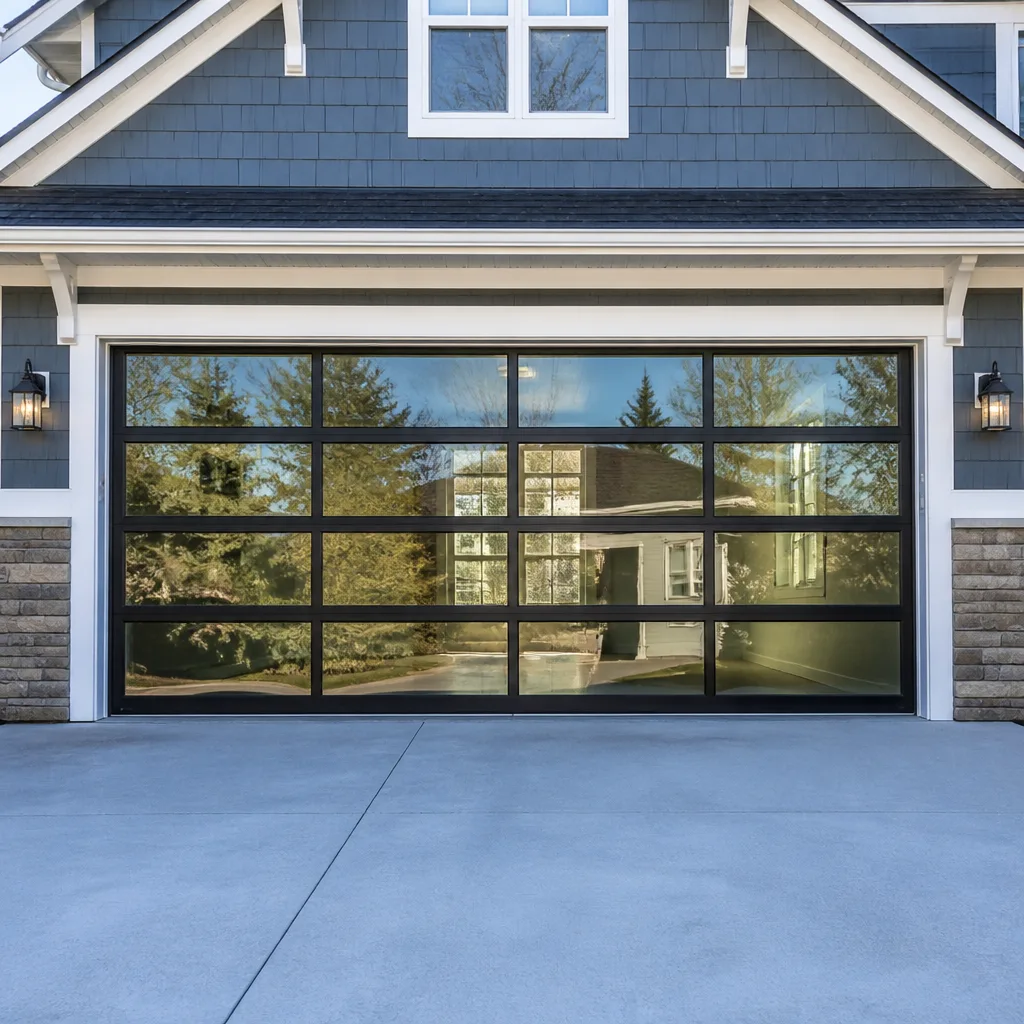 Full-view glass
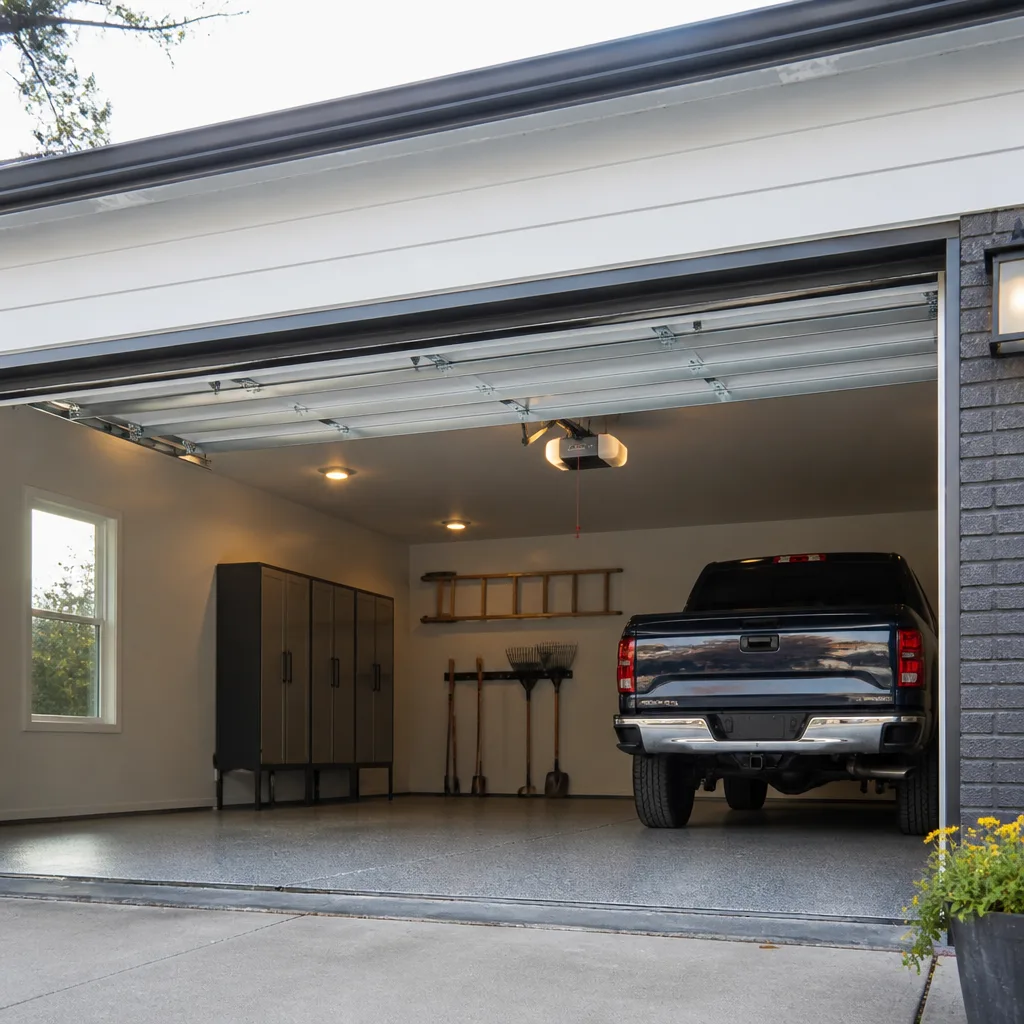 LiftMaster openers
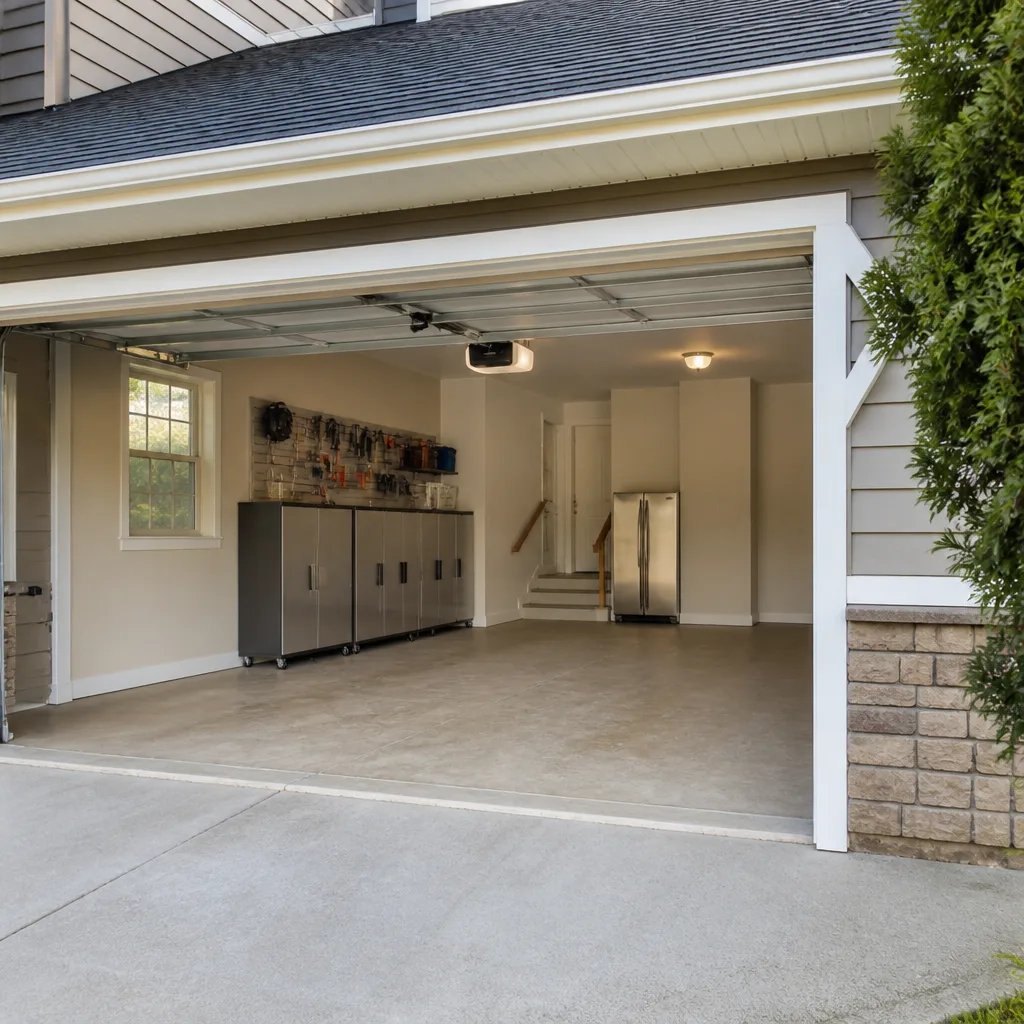 Chamberlain openers
Full 25-point door and opener safety check with every visit - springs, cables, rollers, tracks, and your LiftMaster or Chamberlain opener included
You get a price before we start. It does not change when the truck arrives.
Get your free estimateGarage Door Warning Signs: A Spring Valley Homeowner’s Reference Guide
Most garage doors don’t fail without warning. They tell you something is wrong for weeks, sometimes months, before a spring breaks or a door comes off its track. The trouble is that homeowners are trained to ignore the early signals. A door that takes two button presses instead of one, a squeak that comes and goes, a slight hesitation halfway up. Each of those is a data point with a specific cause and a specific urgency level. This guide turns the twelve most common warning signs into a plain-language reference you can act on. We work on garage doors in Spring Valley every week, and we’ve learned that the homeowners who read their door correctly avoid the expensive calls.
Quick Answer
The warning signs that matter most in Spring Valley are: a door that reverses before closing, a loud bang from the spring area, visible fraying on the lift cables, and any door that feels heavier than it should when you lift it by hand. A bang or a snapped spring means stop using the door and call a technician before anything else. Squeaks, slow movement, and a single missed button press are lower urgency but still worth a look before they turn into a breakdown.
Styles & brands we work with
- Raised-panel steel
- Carriage house
- Modern flush
- Full-view glass
- LiftMaster openers
- Chamberlain openers
Table of Contents
- The Symptom-to-Cause Reference Table
- How to Tell Normal Noise from Failure Noise
- The Two Things to Check Every Month
- Why a Slow Door in Summer Means Something Different Than in Winter
- The One Sign That Means Stop Using the Door
- Photo-Eye Sensors and the Two-Press Problem
- Opener Warning Signs Most Homeowners Miss
- Common Mistakes to Avoid
The Symptom-to-Cause Reference Table
Here’s the reference we wish every Spring Valley homeowner had taped inside the garage. Each row maps a symptom you can observe to the likely cause and an urgency rating. “Monitor” means the door is safe to use while you watch for changes. “Call soon” means book a technician before it gets worse. “Stop now” means don’t run the door until someone qualified has looked at it.
| Warning Sign | Likely Cause | Urgency |
|---|---|---|
| Door reverses before touching the floor | Photo-eye sensor misalignment or obstruction | Call soon |
| Loud bang from above the door | Torsion spring failure | Stop now |
| Door feels very heavy when lifted by hand | Broken spring or stretched spring | Stop now |
| Visible fraying or kinks on the lift cables | Cable wear; possible imminent snap | Stop now |
| Door drifts back down a few inches after opening | Counterbalance or spring tension problem | Call soon |
| Squealing or grinding during travel | Dry or worn rollers, hinges, or bearings | Call soon |
| Door shakes or shudders as it moves | Loose hardware, worn rollers, or track misalignment | Call soon |
| Door moves slowly or stalls halfway | Opener strain, spring tension loss, or logic board issue | Call soon |
| Door comes off the track or hangs crooked | Cable or roller failure, track damage | Stop now |
| Takes two presses to open | Sensor misalignment or degrading opener logic board | Monitor |
| Opener runs but door doesn’t move | Broken spring, disconnected trolley, or stripped gear | Stop now |
| Remote works only up close | Weak battery or opener antenna/receiver issue | Monitor |
Two things about this table are worth saying plainly. First, “stop now” rows involve either the springs or the cables, and those are the two components that store enough energy to injure someone. Second, the “monitor” rows are the ones homeowners ignore the longest, and they’re the ones that quietly turn into a “call soon.” We’ve seen a single missed button press become a dead opener within a few months more than once.
How to Tell Normal Noise from Failure Noise
Every garage door makes noise. A well-maintained door still rumbles, clicks, and hums. The question isn’t whether your door is loud; it’s whether the noise has changed. Here’s how to sort the normal from the alarming.
Normal operational noise
- A steady low rumble as the door travels up or down
- A soft click when the opener engages or releases
- A light metallic sound from the rollers rolling along the track
- A brief hum from the opener motor at the start and end of travel
The three sounds that mean failure is coming
These three are the ones that should send you to the phone, not the toolbox.
- A sharp, loud bang. That’s the sound of a torsion spring breaking. It can sound like a gunshot or a car backfiring, and it usually happens when the door is at rest. If you hear it, don’t run the door.
- A high-pitched squeal that doesn’t go away with a dry-door test. Squeals usually trace back to dry rollers or a worn bearing plate. If you’ve lubricated the moving parts and the squeal persists, the roller or hinge is worn enough to need replacement.
- A grinding or scraping sound from one side. This is often a lift cable starting to fray, or a roller that’s seized and dragging along the track. Either one can lead to the door coming off its track if you keep using it.
A subtlety worth knowing: a door that suddenly gets quieter can also be a warning. If the opener runs but the door barely moves and the noise drops off, the trolley may have disconnected, or the spring may have gone slack. Quiet isn’t always good.
The Two Things to Check Every Month
Spring Valley’s summer heat accelerates the wear cycle on two components in particular: the lift cables and the bottom brackets. Metal expands, lubricant thins out, and the constant thermal cycling of a garage that can hit triple digits in July puts stress on these parts. A fifteen-minute monthly check is the single best thing you can do to catch a problem early.
Cables: look, don’t touch
The lift cables run vertically along each side of the door and wind around the drum at the top of the torsion shaft. You’re looking for fraying (a fuzzy or whiskered appearance), kinks, or rust streaks along the cable length. A cable with any visible damage is a cable at risk of snapping, and when a cable snaps under tension, it whips. Never put your hand on a cable under load to test it. Visual inspection only.
Bottom brackets: check for looseness and rust
The bottom brackets are the metal plates at the lower corners of the door that anchor the cables. Look for rust, cracks, or bolts that have worked loose. These brackets are under tension from the cable, and a failing bracket can release the cable suddenly. If anything looks loose or corroded, don’t tighten it yourself. Call a technician.
A monthly check in four steps
- With the door closed, look at both cables from top to bottom. Note any fraying, kinks, or rust.
- Inspect the bottom brackets at both lower corners for rust or looseness.
- Run the door up and down once and listen for any change from the last month.
- Test the safety reverse by placing a small object in the door’s path and watching whether it reverses.
If any step turns up a problem, note it and call. The earlier we see a worn cable or a loose bracket, the cheaper and simpler the fix usually is. When you need garage door repair, a trained set of eyes on these parts beats a guess every time.
Why a Slow Door in Summer Means Something Different Than in Winter
A garage door that moves slowly in winter is often just cold. The lubricant thickens, the metal contracts slightly, and the opener has to work a bit harder to move the same weight. That’s normal in most climates, and it usually eases as the day warms up.
In Spring Valley, summer is the season that stresses your door. Here, a slow-moving door in July or August is more likely to signal spring tension loss or an opener working beyond its capacity than a temperature effect. The heat wears on the springs, thins the lubricant, and puts thermal stress on metal parts. So a slow door in summer deserves more attention than a slow door in winter, not less.
The practical rule is this: if the door slows down and stays slow for more than a few days, it’s not a temperature quirk. It’s a mechanical issue that will get worse. That’s especially true if the slowdown comes with a change in sound or a door that doesn’t quite open all the way. Call it in and let a technician read the door.
The One Sign That Means Stop Using the Door
If you take one thing from this guide, take this: when the door feels heavy, hangs crooked, or makes a loud bang, stop using it. Waiting “until the weekend” or “until I have time to call” is the single most common way a repairable problem becomes a dangerous one.
Here’s why. The springs and cables on a garage door hold a stored force that balances the door’s weight. When one of them fails, the door can drop or shift unpredictably, and the remaining components are working at their limit. A door in that state can come off its track entirely, or worse, the other spring or cable can let go while you’re standing under it.
Springs and cables are the most dangerous parts of any garage door system. They’re under enough tension that a mistake handling them can cause serious injury. Our advice is always the same: don’t try to lift the door, don’t try to adjust the springs, and don’t run the opener to see if it still works. Leave the door where it is and call a professional. We can look at the garage door opener repair side of the problem too, because sometimes what looks like a door failure is actually the opener straining against a door it can’t lift.
Photo-Eye Sensors and the Two-Press Problem
That door that takes two button presses instead of one isn’t being finicky. It’s telling you something specific. The photo-eye sensors, mounted near the floor on each side of the opening, are what tell the opener the doorway is clear. When they get bumped, dirty, or misaligned by even a few degrees, the opener won’t complete its cycle on the first press because it doesn’t trust the path.
Here’s how to check them in three steps:
- Look at each sensor. Most have a small indicator light. If one is dark or blinking where it should be steady, that sensor has lost its alignment or power.
- Wipe both lenses with a soft cloth. Dust and grime are common causes, especially in a garage that sees desert dust through the year.
- Check that nothing is blocking the invisible line between the two sensors. A stray broom or a bag of mulch sitting in the doorway will do it.
If cleaning and clearing the path doesn’t fix the two-press problem, the opener’s logic board may be degrading. That’s where we usually find the answer on a LiftMaster or Chamberlain unit; the board sends the signal but the sensor response is inconsistent. We can test it on-site and tell you whether it’s a sensor, a wiring issue, or the board itself. Scheduling a garage door opener repair visit gets you a firm answer rather than a guess.
Opener Warning Signs Most Homeowners Miss
The door gets all the attention, but the opener has its own set of signals, and they’re easy to overlook. Here are the ones worth knowing, especially if your unit is five years old or more.
- Remote works only when you’re close. Usually a weak remote battery or a problem with the opener’s antenna or receiver. On Genie and Chamberlain models, the antenna wire is a common culprit.
- The opener runs but the door doesn’t move. The trolley may have disconnected from the door arm, or the drive gear has stripped inside the unit. Stop and call; running the opener repeatedly won’t fix it and can ruin the motor.
- The door doesn’t reverse when it hits something. This is a safety failure, not a convenience one. Stop using the door and get it looked at.
- Repeated light-code blinking on the opener. Most modern units blink their light in a pattern to indicate a fault. Note the pattern and mention it when you call. We work with the LiftMaster, Chamberlain, Genie and Craftsman fault patterns regularly and can often narrow down the problem before we arrive.
- Smart-home features or Wi-Fi disconnects. Many newer openers have connectivity features that need settings-level troubleshooting, not just a reset. That’s part of what we do.
If your opener is an older analog unit, the mechanical warnings matter more: grinding gears, a motor that hums but doesn’t turn, or a chain that’s visibly slack. Our advice is the same across the board: catch it early, and the fix stays small. If you’re in Spring Valley and want a second opinion, that’s what a garage door opener repair visit is for.
Common Mistakes to Avoid
- Ignoring the two-press problem. A door that needs two presses today may need a whole new opener in a few months. Have the sensors and logic board checked before that happens.
- Lifting the door by hand to “test” it. If the spring is broken, the door is heavier than you think. Test only with the opener disengaged and both feet planted, and don’t push your limits. Better yet, let a technician do it.
- Trying to adjust the springs yourself. Springs are under extreme tension, and a wrong move can cause serious injury. This is a job for someone who does it every day, with the right tools.
- Assuming a slow door in summer is normal. In Spring Valley’s heat, a slow door is usually a warning, not a temperature quirk. Get it checked.
- Putting off the loud bang. A snapped spring is a stop-now signal. Waiting until the weekend creates a real safety risk, because the door can shift or drop with the remaining tension.
- Skipping the monthly visual check. Fifteen minutes a month on the cables and bottom brackets catches most problems early. It’s the cheapest maintenance you’ll ever do.
- Calling a general handyman for a door-specific problem. Garage doors are their own trade. A technician who fixes doors and only doors will spot a brand-specific cause faster than someone who splits their time across ten trades. If you’d like to know more about how we approach the work, this Grafton Garage Door Repair page covers the full scope.
See the difference
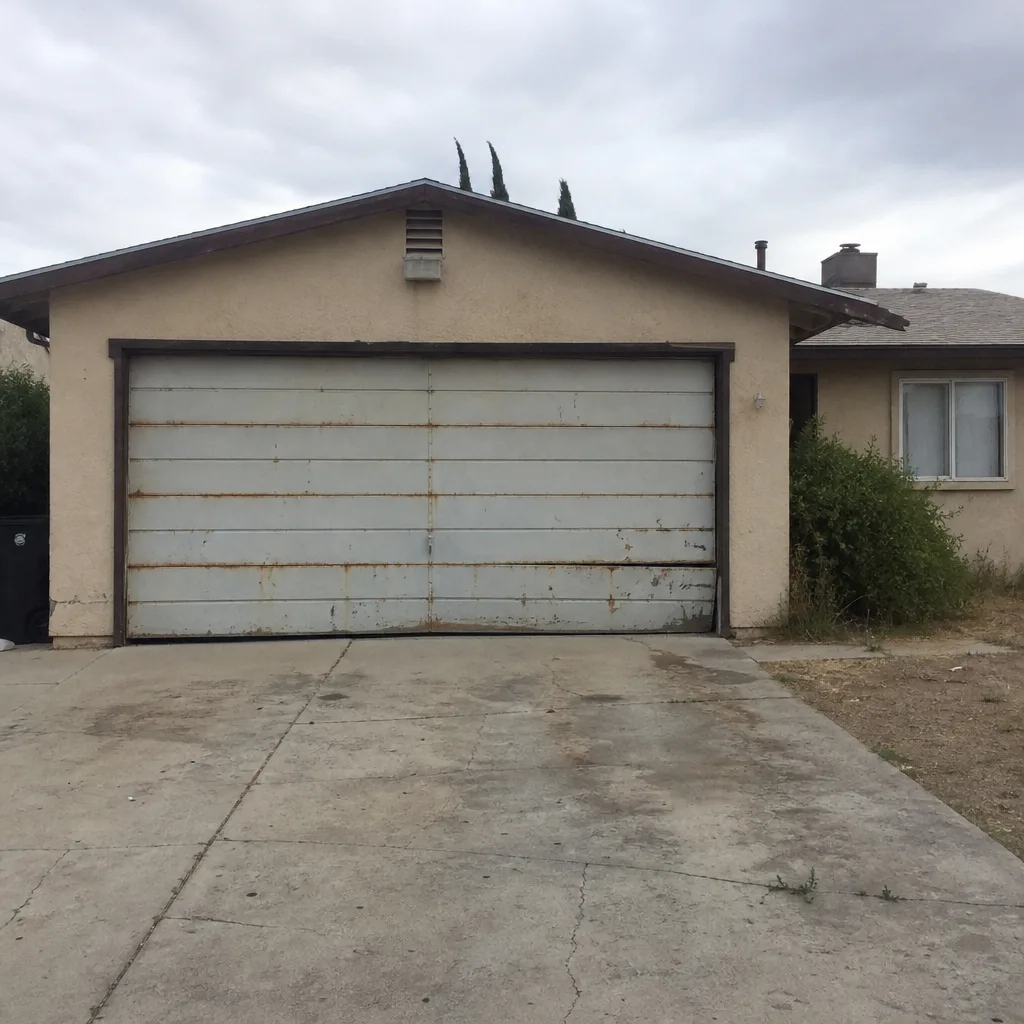 Before
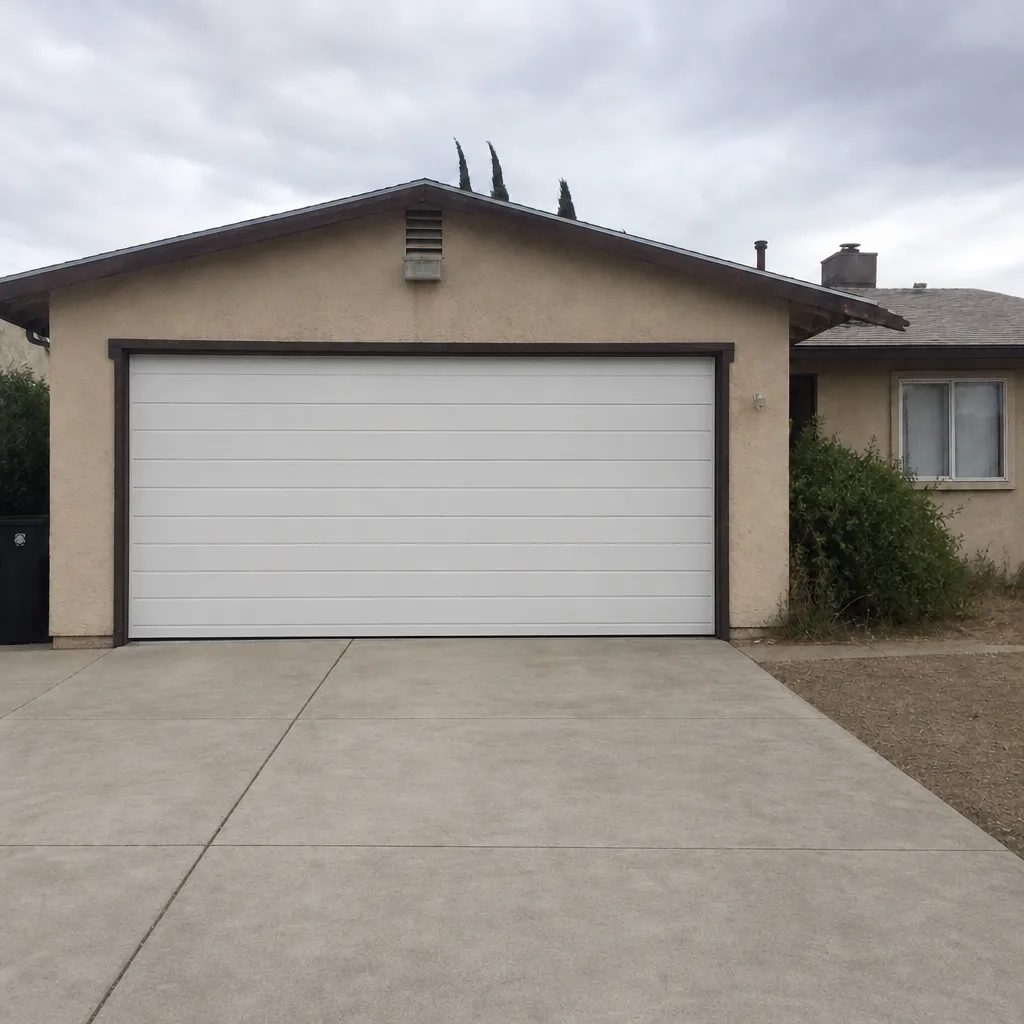 After
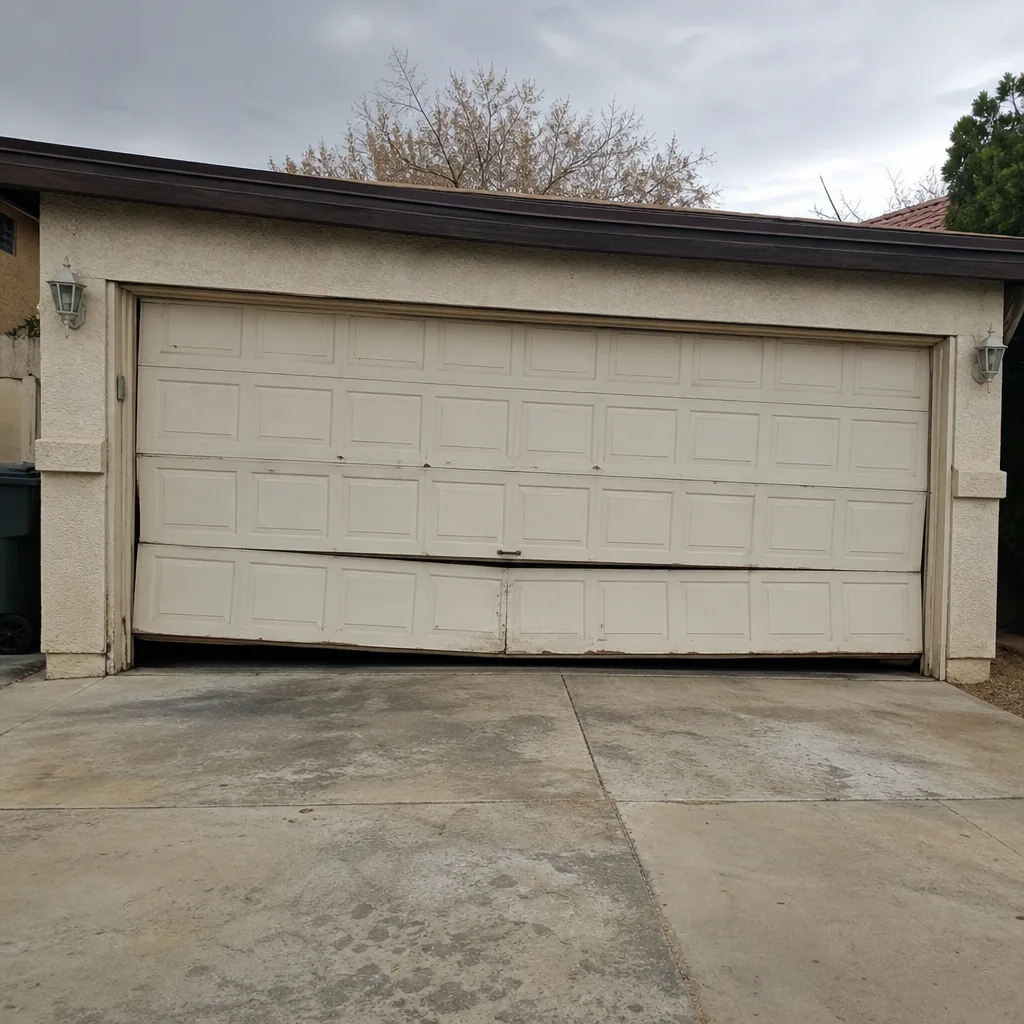 Before
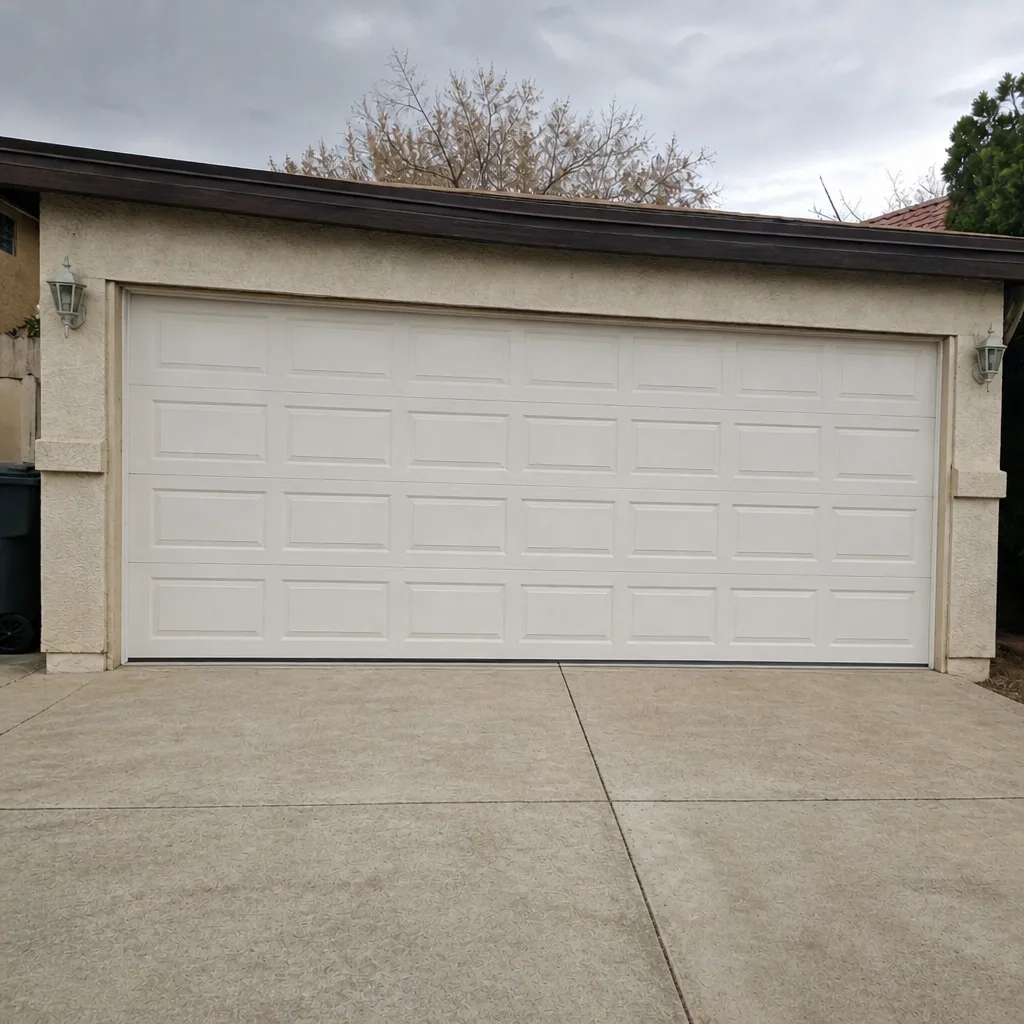 After
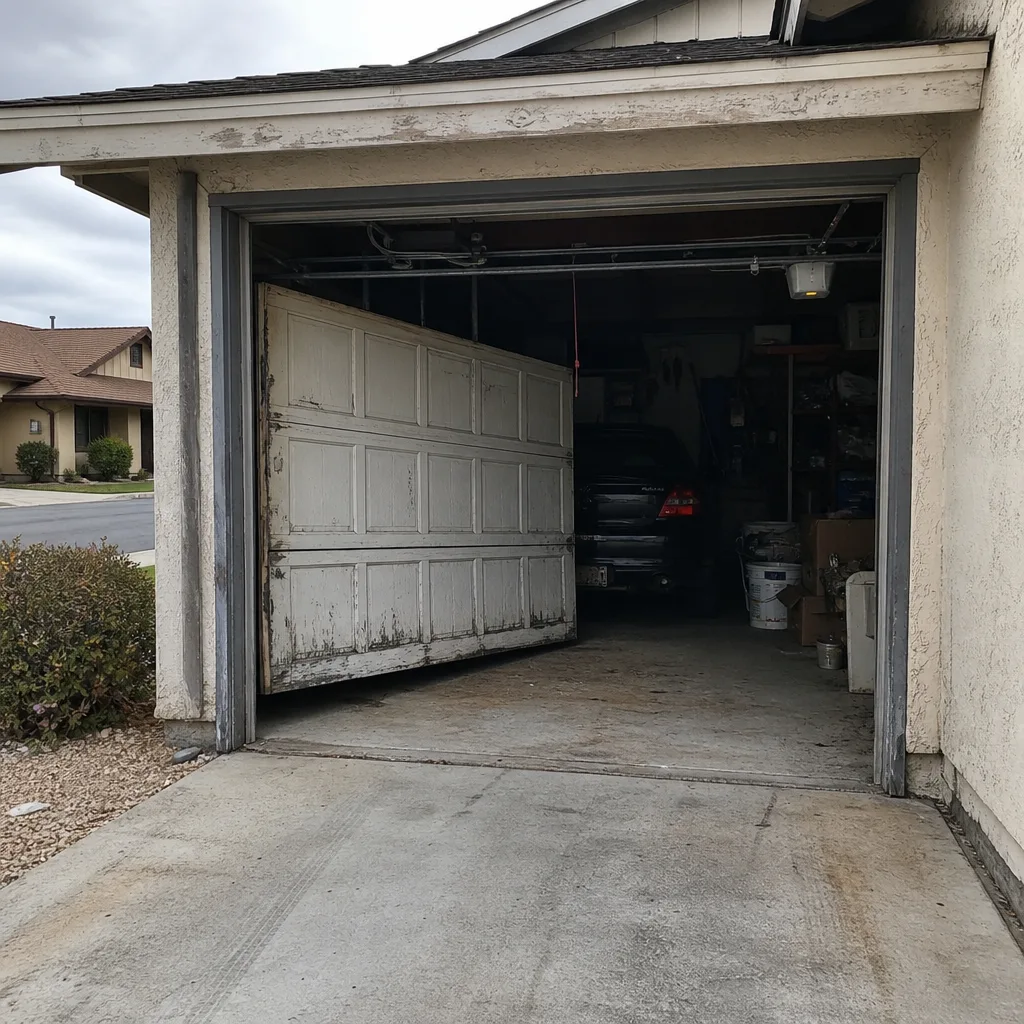 Before
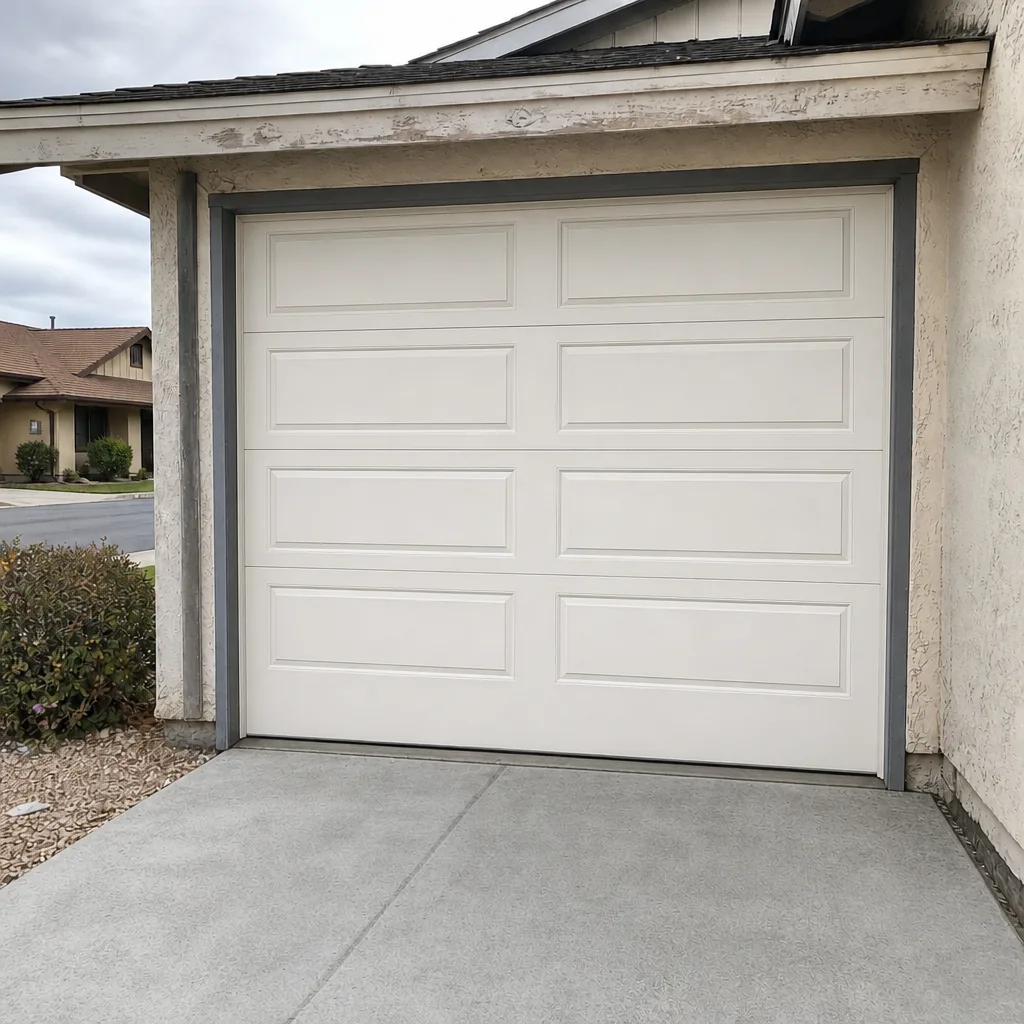 After
When to Call a Professional
Some problems are safe to watch; some aren’t. Call a professional the same day if you hear a loud bang, see a frayed cable, notice the door hanging crooked, or if the door doesn’t reverse when it meets an obstruction. Those are stop-now signs, and they’re not worth a “let’s wait and see.” Call soon if the door is slower than usual, sounds different, or takes more button presses than it used to. These are early warnings and the fix is usually simpler.
If you’re in Spring Valley and aren’t sure which category your door falls into, call us. Grafton Garage Door Repair offers free estimates in Spring Valley and a written price before any work begins. Call (877) 373-8712. We answer 24/7. Fast dispatch from 7am to 7pm, Sunday through Friday.
Frequently Asked Questions
The most common signs we see in Spring Valley are a door that reverses before closing, a loud bang from the spring area, visible cable fraying, a door that feels heavy when lifted by hand, and a door that needs two button presses to open. Of these, the bang and the frayed cable are the most urgent, because they involve the springs and cables under tension.
Repair pricing depends on the job: a sensor realignment and a spring replacement aren’t in the same range. We don’t quote a number without seeing the door. What we do promise is that the price is set in writing before any work starts, so there’s no surprise on the invoice. Call (877) 373-8712 for a free estimate.
Often yes. Same-day service is part of what we do, and a door that won’t open is exactly the kind of call we prioritize. Call (877) 373-8712. We answer 24/7. Fast dispatch from 7am to 7pm, Sunday through Friday, and if you call outside dispatch hours we’ll book you into the next opening. Estim
Estimates are free, and the practice we follow is the same every time: the price is quoted and agreed before any work begins.
It usually means the photo-eye sensors are misaligned or the opener’s logic board is losing reliability. Start by cleaning both sensor lenses and checking that nothing is blocking the doorway. If the problem persists, the opener may need a diagnostic visit, which is where we can test the board and the sensor wiring on-site.
No. A broken spring means the door’s weight is no longer balanced, and running the opener can strain the motor or send the door off its track. Leave the door closed if you can and call a professional. Springs and cables are the most dangerous parts of a garage door system, and they are not a DIY job.
We work on doors and openers from LiftMaster, Chamberlain, Genie, Clopay, Amarr, Wayne Dalton, Craftsman and Raynor, which covers most of what’s installed in Spring Valley homes. If your unit is one of those, we’ll be familiar with it before we arrive. Call (877) 373-8712 to confirm your model and get an estimate.
The Bottom Line
Garage doors tell you they’re failing long before they fail. The trick is knowing which signal is urgent and which one can wait. Loud bangs, heavy doors, frayed cables and doors that won’t reverse are stop-now signs. Slow doors, new sounds, and a door that takes two button presses are early warnings worth a call. A quick monthly look at the cables and bottom brackets is the best line of defense you have, especially in Spring Valley’s heat. The earlier you call, the simpler the fix. If you need help reading your door, call (877) 373-8712. We answer 24/7. Fast dispatch from 7am to 7pm, Sunday through Friday. Grafton Garage Door Repair offers free estimates throughout Spring Valley, and the written price is the price you pay.
Written by the team at Grafton Garage Door Repair, serving Spring Valley since 2013.