
Last updated November 14, 2026
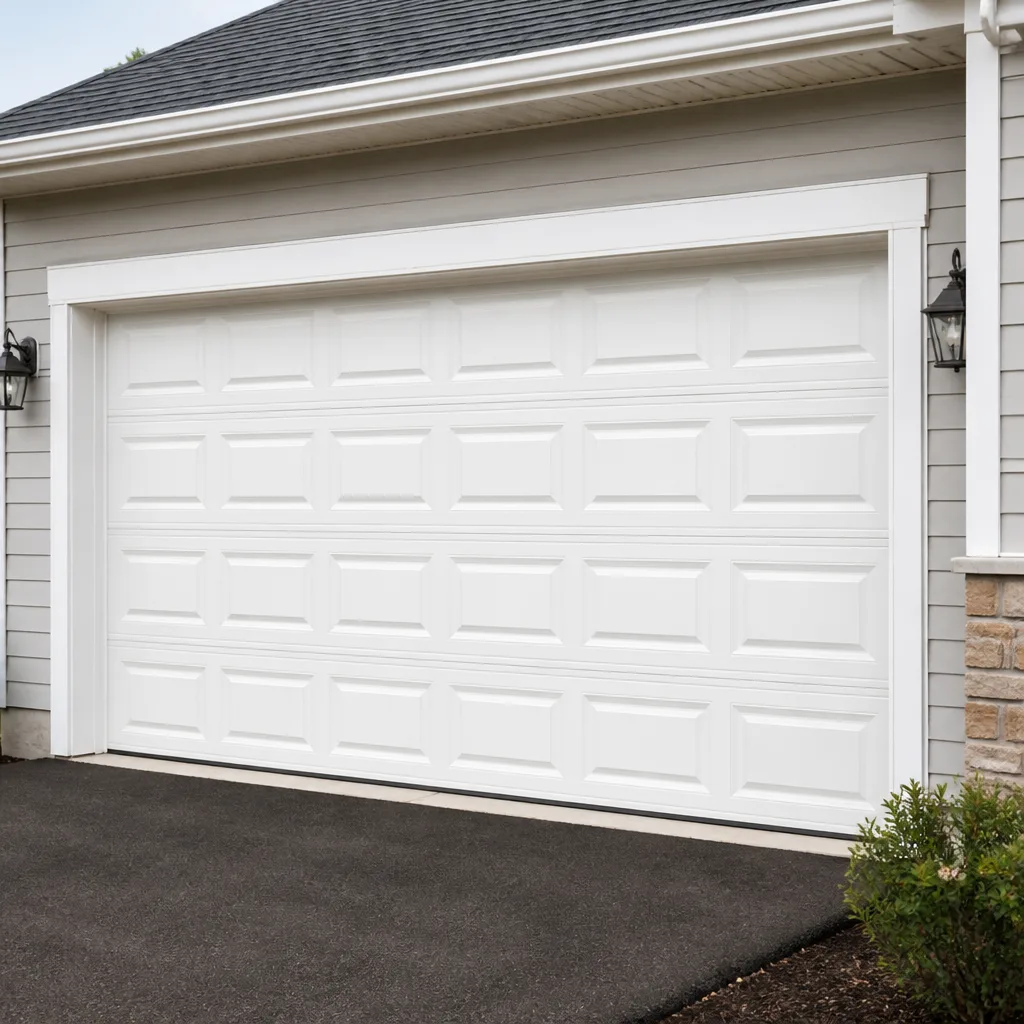 Raised-panel steel
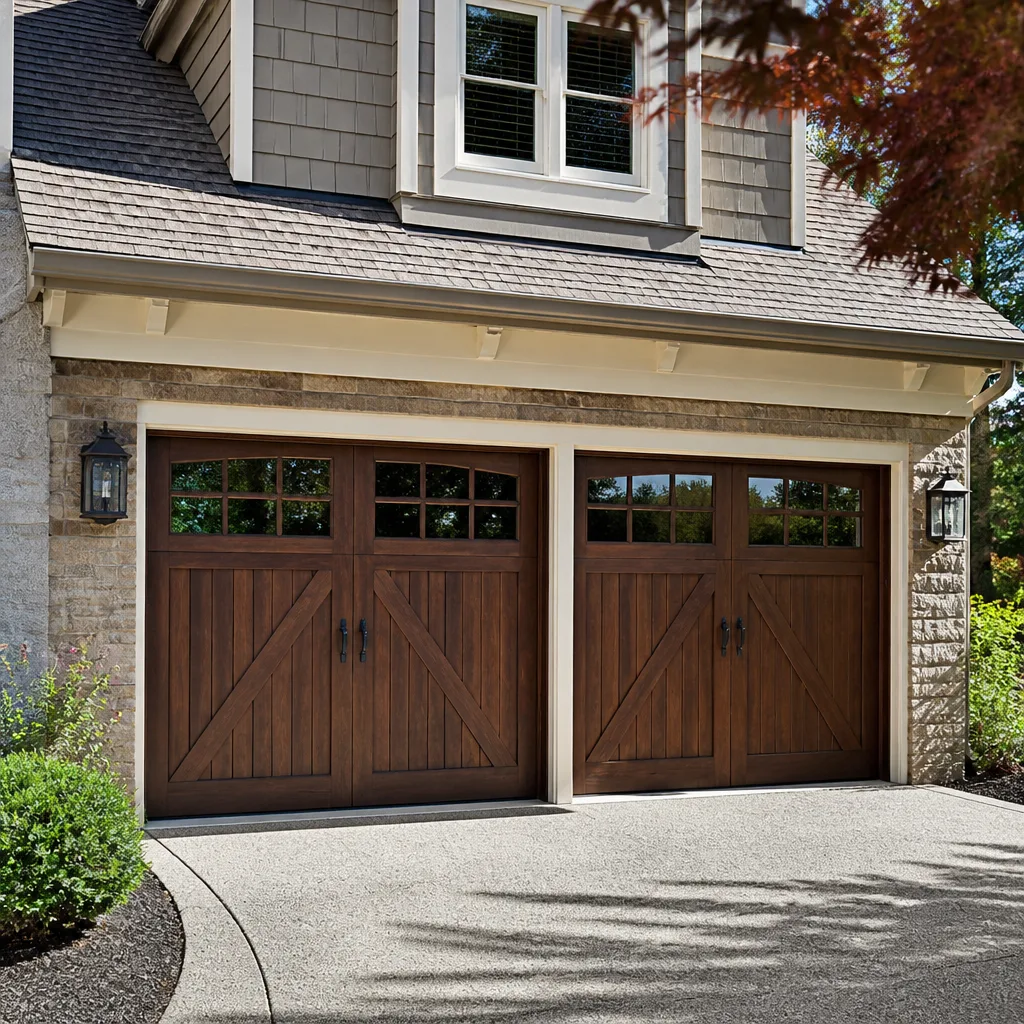 Carriage house
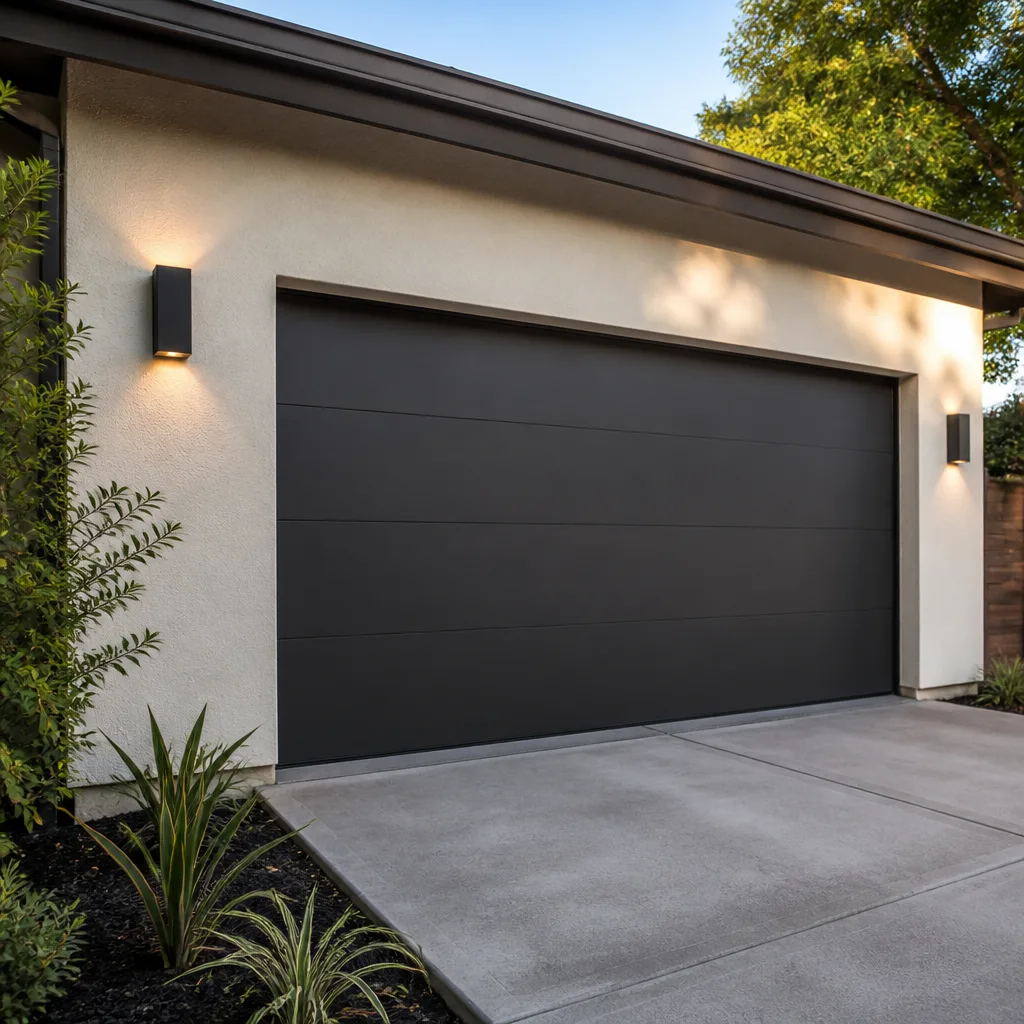 Modern flush
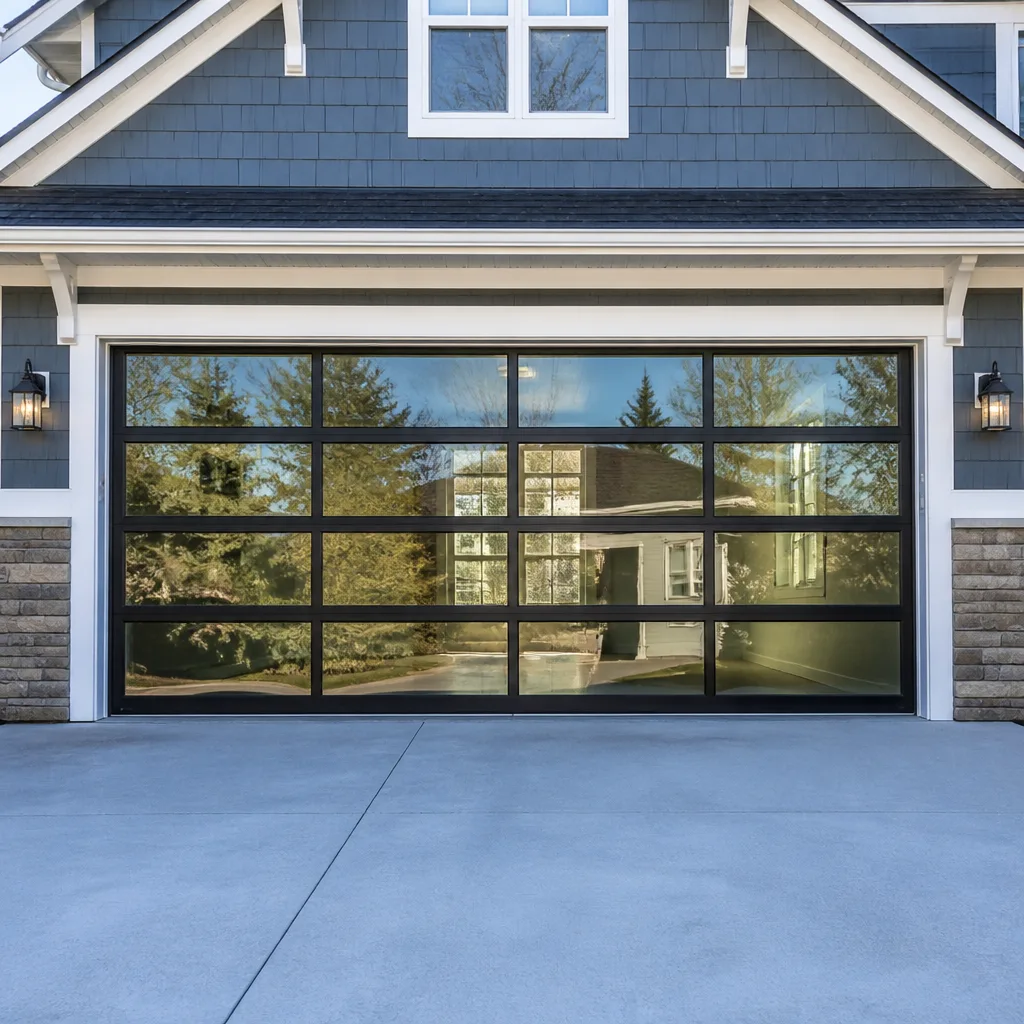 Full-view glass
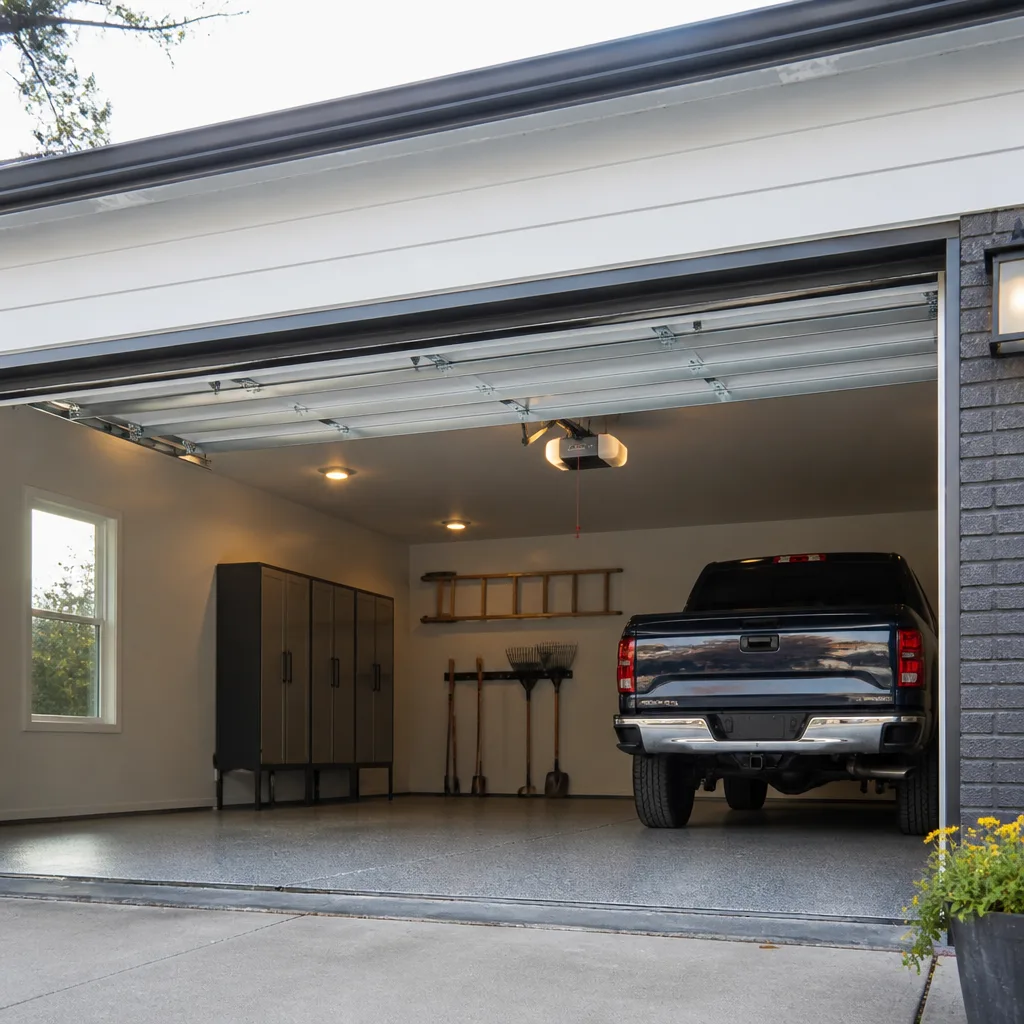 LiftMaster openers
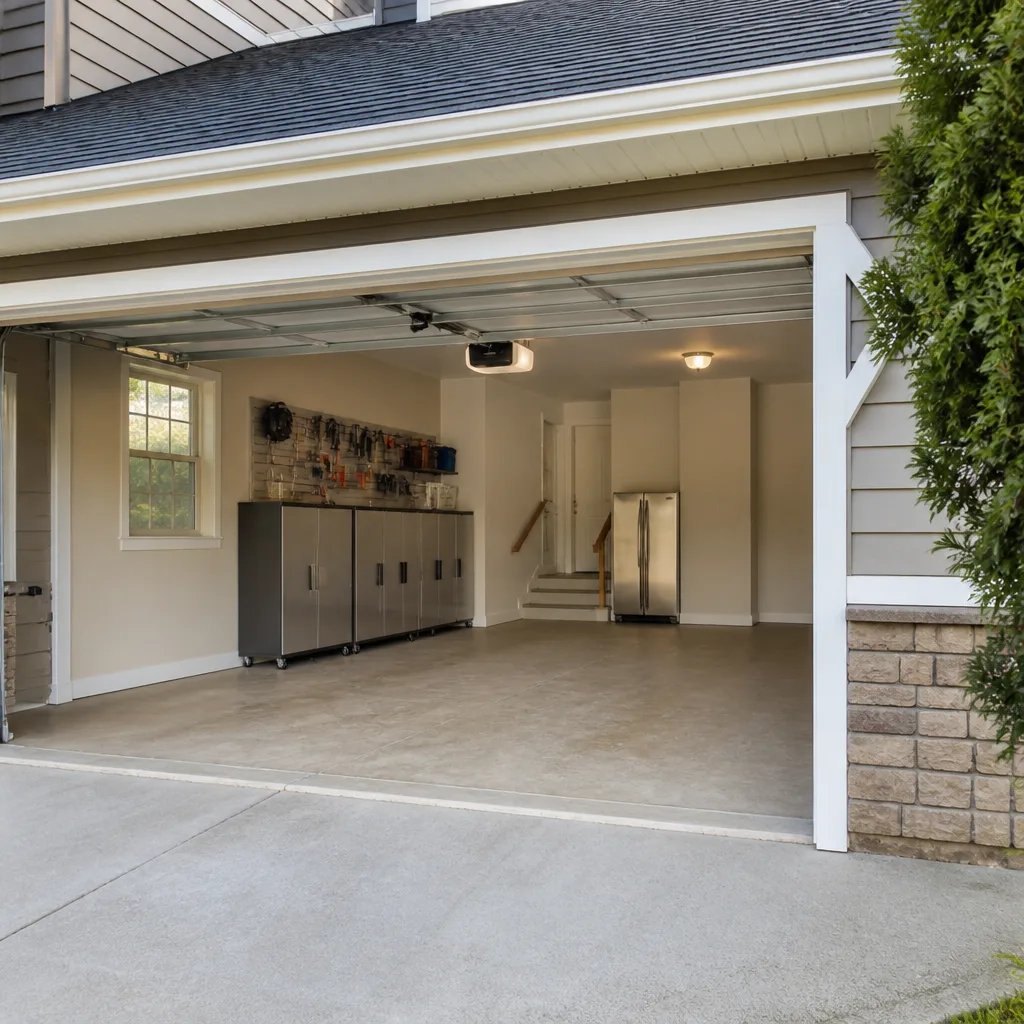 Chamberlain openers
Full 25-point door and opener safety check with every visit - springs, cables, rollers, tracks, and your LiftMaster or Chamberlain opener included
You get a price before we start. It does not change when the truck arrives.
Get your free estimateGarage Door Repair Troubleshooting in Spring Valley: Common Problems and How to Fix Them
Most garage door failures get blamed on the wrong part. From inside a closed garage in Spring Valley, a broken torsion spring, a snapped lifting cable, and a dead opener motor look almost identical: you press the button, something clunks, and the door doesn’t move. Homeowners then diagnose the symptom they can see, replace a part that wasn’t broken, and pay twice. The single most common reason people in Spring Valley pay twice for garage door work is a misidentified torsion spring problem, fixed once with the wrong repair and again with the right one. This guide teaches you to read your door as one mechanical system. You’ll learn the sounds that pinpoint most problems, how desert heat changes which parts fail first, a balance test that tells you whether the spring or the opener is at fault, and a clear line between what you can safely handle and what needs a specialist.
Quick Answer
To troubleshoot a garage door in Spring Valley, start with the door itself, not the opener: run a manual balance test with the opener disengaged and listen to the full open-close cycle for grinding, snapping, or humming. If the door is heavy, drops, or sits crooked, the problem is in the springs or cables and requires a trained technician, while a door that moves smoothly by hand but won’t respond to the remote usually points to opener repair. Never adjust torsion springs or cables yourself, because those parts are under extreme tension and can cause serious injury.
Styles & brands we work with
- Raised-panel steel
- Carriage house
- Modern flush
- Full-view glass
- LiftMaster openers
- Chamberlain openers
Table of Contents
- Read the Door Before You Touch the Opener
- How the Three Systems Fail Differently
- Why Spring Valley Heat Changes the Failure List
- The Listening Test That Finds Most Problems
- The Balance Test: Spring Tension or Motor?
- Safe DIY vs. Specialist: A Decision Tree
- Opener Troubleshooting Without Guesswork
- Common Mistakes to Avoid
Read the Door Before You Touch the Opener
A garage door is a system of four parts that share the load: the springs, the cables and drums, the tracks and rollers, and the opener. The opener is the weakest link in that chain because it’s the only part designed to move a *balanced* door, not to lift a heavy one. When a spring weakens, the motor works harder against a load it was never built to carry, and eventually something gives. Diagnosing from the opener backward is how you replace a motor under warranty when the real problem was 40 inches above it.
Here’s the mental model that makes troubleshooting simpler. Ask what the door does, not what the wall switch does.
- Door won’t move, but the opener runs and you hear a hum or a click: the motor is trying, so the blockage is mechanical. Look at the springs and cables first.
- Door moves a few inches and stops or reverses: usually a travel-limit setting, a safety sensor, or a sagging door tension.
- Door moves freely by hand but the opener never responds: the door is balanced and fine; the fault is in the opener, remote, or power.
- Door is crooked, binding, or grinding on the track: stop using it. Rolled track or a loose cable can drop the door.
That one distinction, mechanical versus electrical, sends you down the right path within a minute. Everything else on this page builds on it. If you’re unsure at any point, our garage door repair team can talk through what you’re seeing before anything is ordered or replaced.
How the Three Systems Fail Differently
From inside a Spring Valley garage, spring failure, cable failure, and opener failure look like the same event. They aren’t. Each sounds different, leaves the door in a different position, and demands a completely different repair. Getting this wrong is how a small fix becomes a full replacement.
Spring failure
Springs carry the door’s weight so the opener only has to guide it. When a torsion spring breaks, you usually hear a loud bang and the door snaps shut or won’t lift at all. The door will feel extremely heavy when you try to lift it by hand, and it may sit unbalanced, one side higher than the other. Spring work is the single most dangerous repair on a garage door, because the springs hold stored tension even when the door is down.
Cable failure
A cable runs from the bottom corner of the door up to a drum at the top. When a cable frays or snaps, the door often drops on one side and hangs at an angle, or the cable lies loose and tangled. Cables are under the same tension as the springs, and a snapped cable is a genuine safety hazard. Do not try to operate the door or cut a tangled cable loose yourself.
Opener failure
When the opener is the problem, the door itself stays balanced and reasonably easy to lift by hand. The motor may hum without moving, click without action, run continuously, or fail to respond to a remote that used to work. This category covers everything from a stripped gear to a failed logic board to a Wi-Fi module that dropped off your home network. It’s the one failure area where diagnosis can be done safely, and often over the phone or at the wall unit.
If your symptoms point to the motor, our guide to garage door opener repair walks through the electrical side in more depth.
Why Spring Valley Heat Changes the Failure List
Most national troubleshooting guides are written for a temperate climate. In Spring Valley, the desert heat reshapes which parts fail first, and it does it in three specific ways.
- Thermal expansion warps tracks. Metal tracks expand and contract across the swing between afternoon heat and cool evenings. Over time, a track that started as a perfect straight guide can bow or spread, and the rollers start to bind. A door that runs fine in the morning and grinds in the afternoon is telling you the track is moving with the temperature.
- UV light breaks down rubber and trim. The bottom seal (the rubber strip along the base) and any weatherstripping along the sides take direct sun year-round. Sun-degraded rubber hardens, cracks, and stops sealing, which lets heat, dust, and pests in and lets cooled air out. Seal replacement is one of the lowest-cost fixes and one of the most frequently ignored.
- Heat stresses the opener. Motors and control boards work harder in a hot garage. A garage that bakes in the afternoon sun can push an aging opener into thermal shutdown, and the symptom looks like a random failure that only happens on the hottest days.
Lubrication also matters more here than in cooler climates, because the metal-to-metal contact points (rollers, hinges, the spring coil) dry out faster. A dry, dusty cycle on a track is one of the most common things we see on doors around Spring Valley that haven’t been serviced. Knowing the local pattern helps you decide what to check first: look at the seal and the track before you blame the motor.
The Listening Test That Finds Most Problems
Before you touch a single tool, run this. Stand in the garage, press the button, and listen to the complete open-and-close cycle without interrupting it. You’re listening for four distinct sounds, and where each one appears tells you which part of the system is talking.
- A loud bang at the start, then no movement: torsion spring break. Stop here and call a professional. Do not lift the door.
- A steady grinding or scraping as the door travels: track, roller, or hinge wear. The door is trying to move but fighting the guide. Look for a bent track or a frozen roller.
- A humming motor with a still door: the opener is running but the load is too heavy (mechanical) or a gear has stripped (electrical). You’ll need to run the balance test below to tell which.
- Repeated clicks, or a door that reverses partway: travel limits, safety sensor alignment, or a misadjusted force setting. Often resolved by cleaning and realigning the sensors and resetting limits.
That single listening pass pinpoints the majority of problems before any part is ordered. It’s the step most homeowners skip, and it’s the reason a well-meaning fix so often targets the wrong component. Once you know which sound you’re hearing, you already know whether you’re dealing with a spring, a track, or an opener.
The Balance Test: Spring Tension or Motor?
The balance test answers one question cleanly: is your door properly supported by its springs, or is the opener doing work it shouldn’t? It’s safe to perform, requires no tools, and settles the spring-versus-opener question in about a minute.
- Close the door, then pull the manual release cord (usually red, hanging from the opener rail) to disengage the opener from the door.
- Lift the door by hand to about halfway and let go. A correctly balanced door should stay roughly in place. A door that slams down or feels extremely heavy is under-supported by its springs.
- Lift the door from the halfway point to fully open, then lower it back down by the handle. It should move smoothly without binding, jumping, or grinding.
- Re-engage the opener by pulling the cord back or running the opener once so the trolley reconnects.
If the door feels heavy or won’t hold, the problem is spring tension, not the motor, and the motor will eventually fail trying to compensate. That is the misdiagnosis that leads homeowners to pay twice. If the door is light and balanced but the opener still won’t run it, you’re looking at an electrical fault in the motor or its controls. Either way, don’t attempt to adjust the spring tension yourself: a torsion spring stores enough energy to cause serious injury, and this is exactly the point where a trained technician belongs.
Safe DIY vs. Specialist: A Decision Tree
Knowing what you can handle isn’t gatekeeping, it’s how you avoid turning a small repair into a bigger one. Use this decision tree. Each branch gives you the reasoning, not just a verdict.
- Safety sensors misaligned or dirty: DIY. Clean the lenses, check that the two sensors face each other, and confirm the indicator light is steady. Low risk, common cause.
- Remote or keypad won’t work: DIY. Replace the battery, then reprogram the remote to the opener. Low risk and reversible.
- Travel limits slightly off: DIY. Adjust following your opener’s manual, but stop if the door reverses unpredictably with no change after two tries; that points to a sensor or force issue.
- Noisy, dry track or rollers: DIY. Lubricate the rollers, hinges, and spring coil with a garage-door-rated lubricant. Never grease the track itself or the opener rail.
- Bottom seal cracked or hardened: DIY or a small paid fix. Straightforward to replace, especially important in Spring Valley heat.
- Broken spring, snapped cable, or a door hanging crooked: Specialist only. The stored tension makes these genuinely dangerous, and a mistake can drop a door weighing hundreds of pounds.
- Bent or spread track: Specialist. A misaligned track needs the right tools to true it without damaging the door or the panel.
- Opener motor hums, grinds, or shuts down in heat: Specialist diagnosis. Brand-specific parts and settings vary widely, and the wrong replacement can void the opener’s warranty.
Most of the DIY-safe items are preventive. Most of the specialist items are load-bearing. That’s the line: if the repair involves something holding up the door’s weight or carrying stored tension, it belongs with a trained professional.
Opener Troubleshooting Without Guesswork
Once the door itself is confirmed balanced and running smoothly, opener problems are often solvable. The key is to think in brands, because modern openers from different makers behave in brand-specific ways. If you own a LiftMaster or Chamberlain unit, it’s a good idea to know its model number before you troubleshoot. A Genie or a legacy Craftsman has different remote-programming steps and different indicator-light patterns. Because we’re a door specialist rather than a generalist, we’re familiar with your brand before we arrive, so what might be a half-day of guessing for someone else is a quick diagnosis for a dedicated technician.
The most common opener problems, and what they typically mean:
- Remote works only up close: usually a weak battery or a damaged antenna connection. Check the battery first. Then confirm the opener’s antenna wire isn’t bent or wrapped.
- Opener runs but the door doesn’t move: often a disconnected trolley or a stripped gear, so re-engage the release and test the balance.
- Door reverses on the way down: safety sensors or force settings. Realign, clean, and test; if it persists, have it looked at rather than overriding the safety.
- Smart features dropped: a Wi-Fi or app connection issue, common as home networks change. It often needs a brand-matched reset rather than a new opener.
- Motor shuts off in the heat of the day: thermal protection kicking in on an aging unit. In a Spring Valley garage, that can be an early sign the opener is near the end of its service life.
Diagnosing brand-specific faults correctly matters most here, because a wrong replacement part can void a warranty. Whether it’s a Clopay door and a matching opener, an Amarr setup, or an older unit you want to keep running, the right fix is the one matched to your specific model.
Common Mistakes to Avoid
- Replacing the opener when the springs are the problem. A tired spring forces the motor to lift the full weight of the door. The new opener will fail too, and you’ll have paid for it twice.
- Adjusting torsion springs yourself. These are under extreme, stored tension. This is the one repair where the risk to you is genuinely serious, and a mistake can drop the door.
- Lubricating the track. Greasing the track makes rollers slide instead of roll, causing noise and uneven travel. Lube the rollers and hinges, never the channel.
- Ignoring a track that grinds only in the afternoon heat. It’s a sign of thermal warping, and letting it continue wears down the rollers and door panels.
- Overriding safety sensors to stop the reversing. Sensors are there to protect people and pets. A door that keeps reversing needs the sensor issue fixed, not bypassed.
- Skipping the bottom seal because it “still works.” Sun-degraded rubber in Spring Valley’s heat quietly lets heat and dust in and drives up cooling costs.
- Diagnosing on a weekend without the right info. We’re closed on Saturday, so if a door fails then, the smart move is to note the symptoms and call to get on the book for Sunday. Guessing at parts on your own often costs more than the diagnosis would have.
When to Call a Professional
Call a professional when the repair involves stored tension or the door’s weight: a broken spring, a snapped or tangled cable, a door hanging crooked, a bent track, or any door you can’t lift safely by hand. Call if the motor hums, grinds, or shuts down in the heat, because brand-matched diagnosis saves you from replacing the wrong part. And call if you’ve run the listening test and balance test and still can’t isolate the fault. Grafton Garage Door Repair offers free estimates in Spring Valley. We work on garage doors and only garage doors, so we bring the right parts and know your brand before we arrive. Call (877) 373-8712 and we’ll take it from there.
See the difference
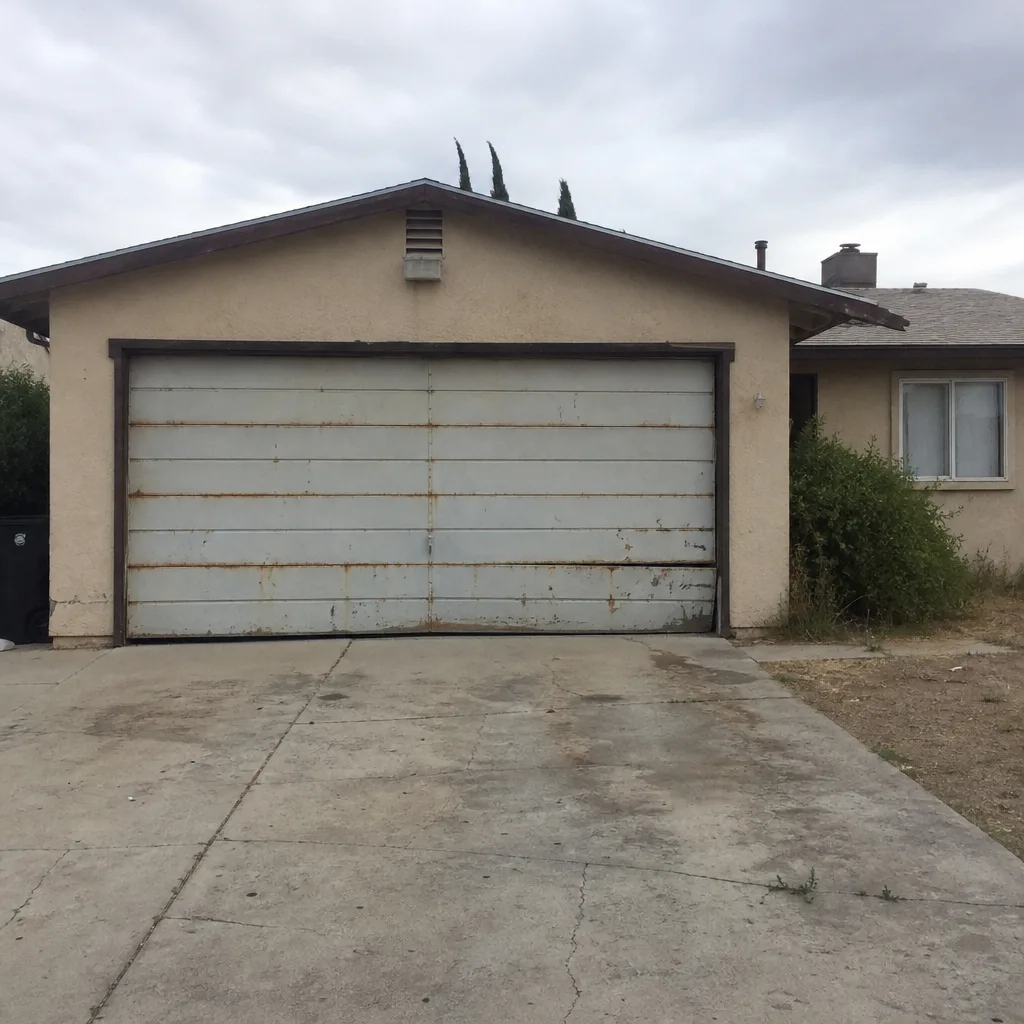 Before
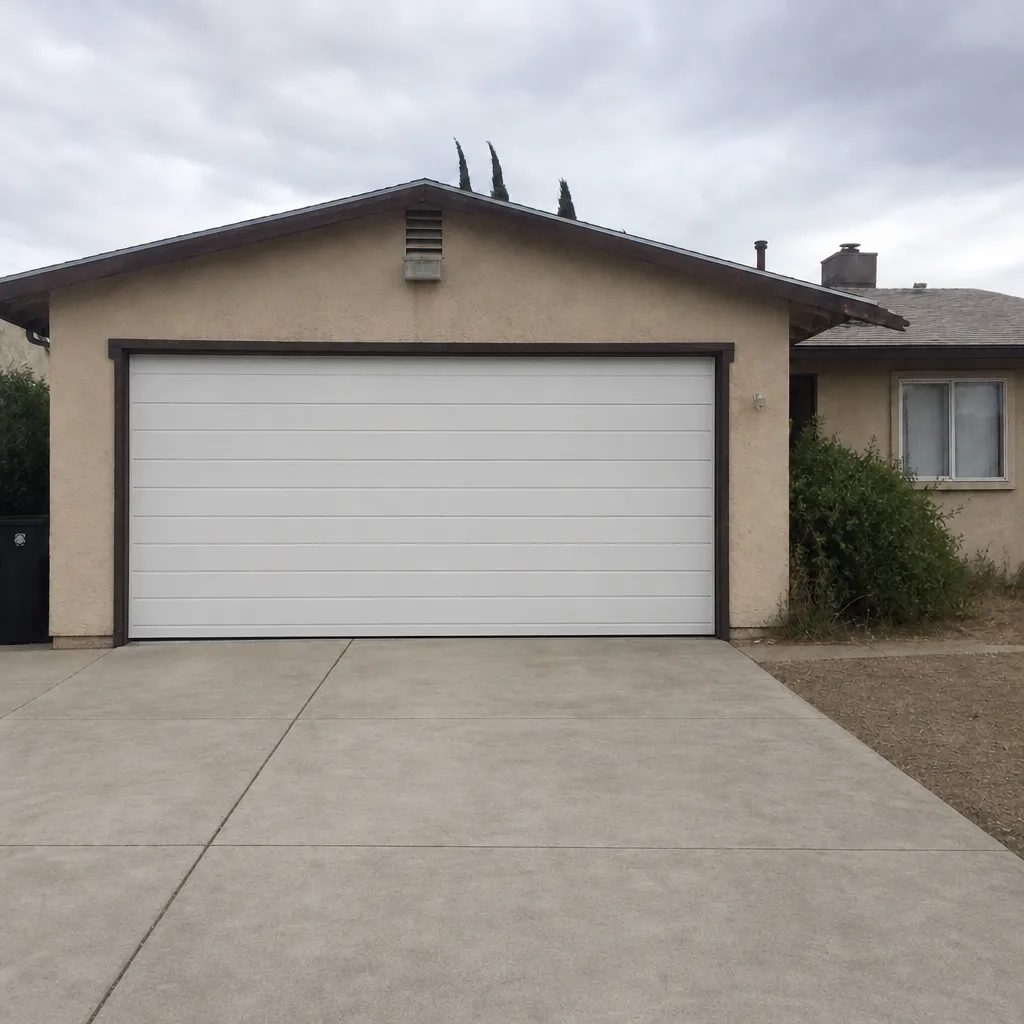 After
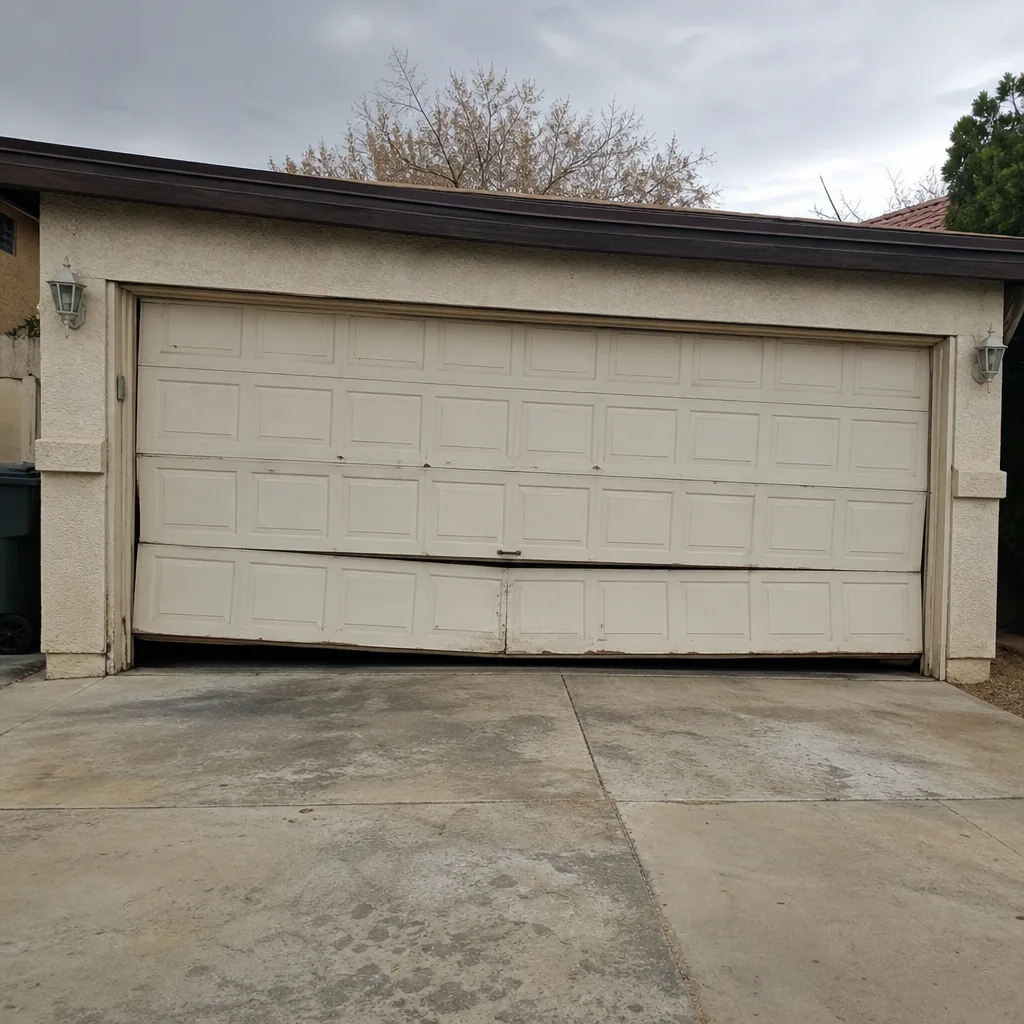 Before
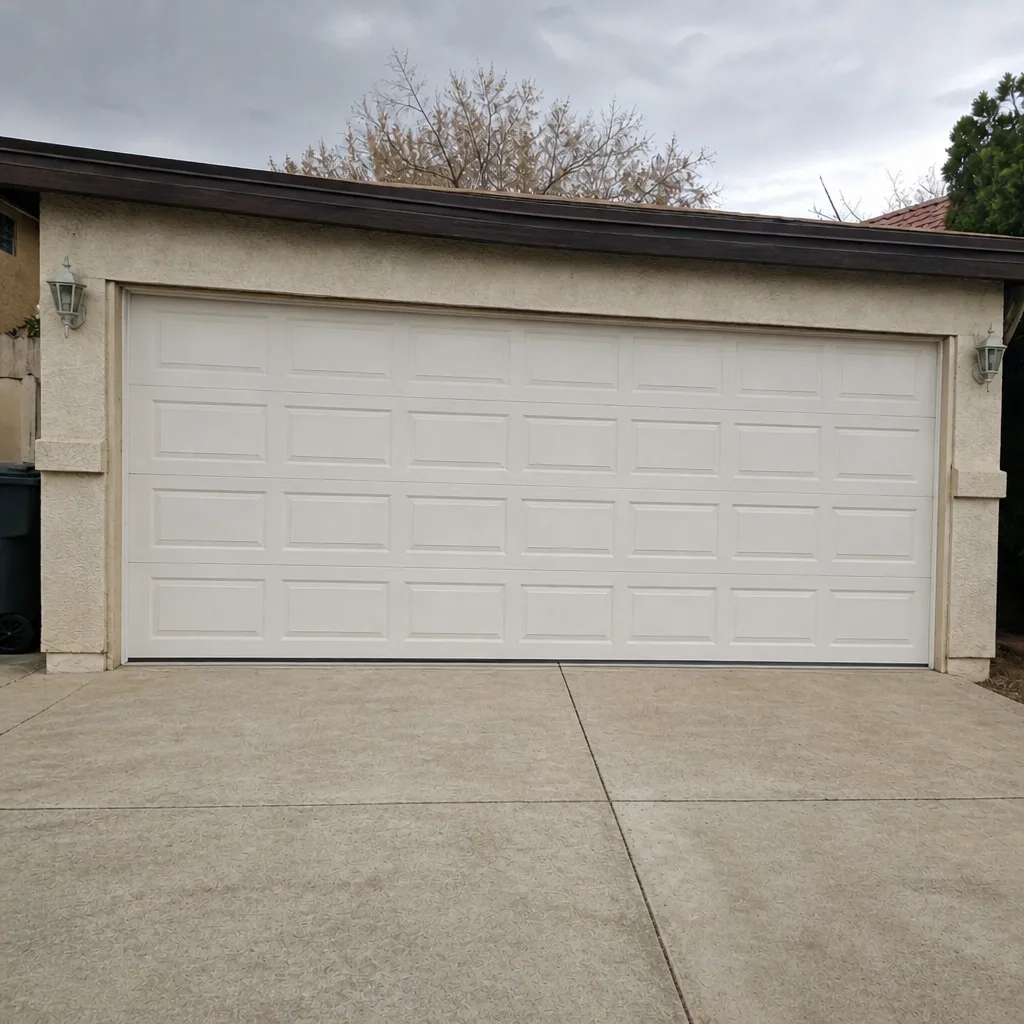 After
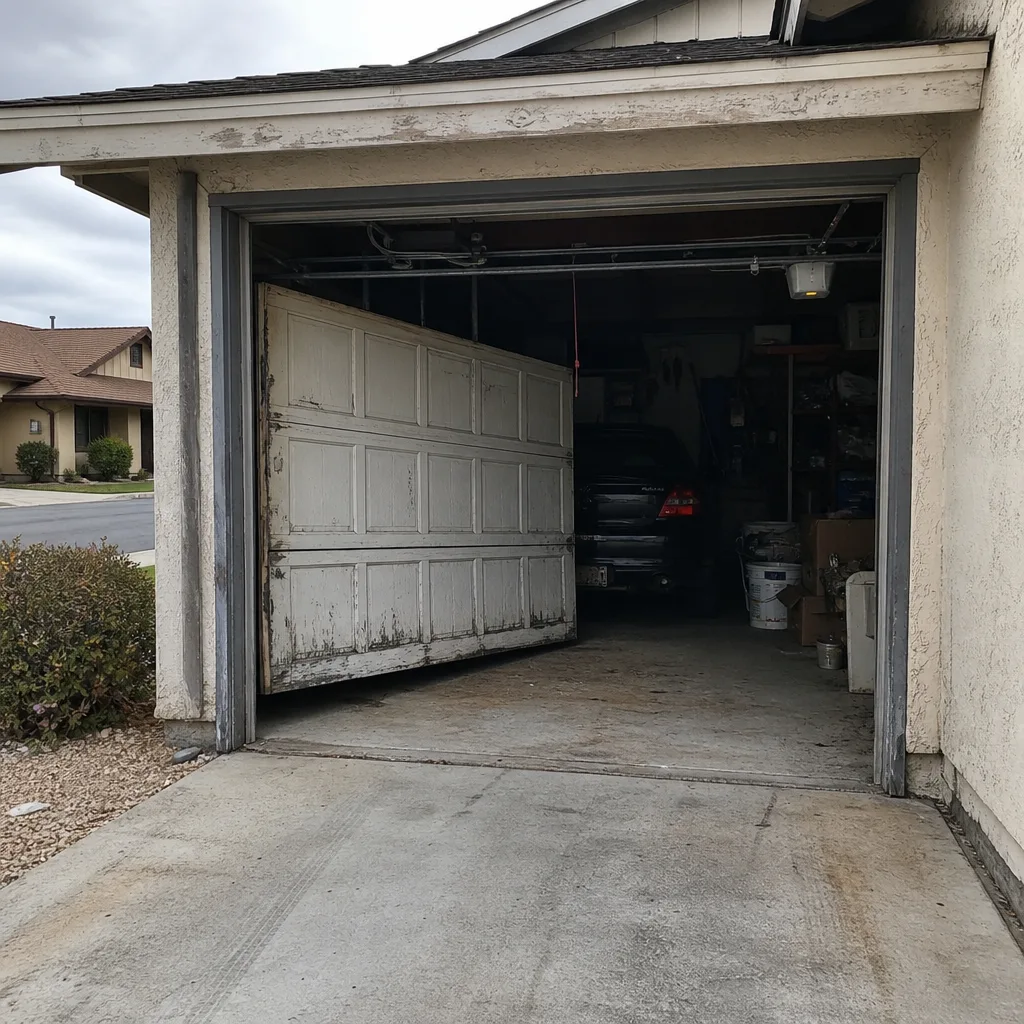 Before
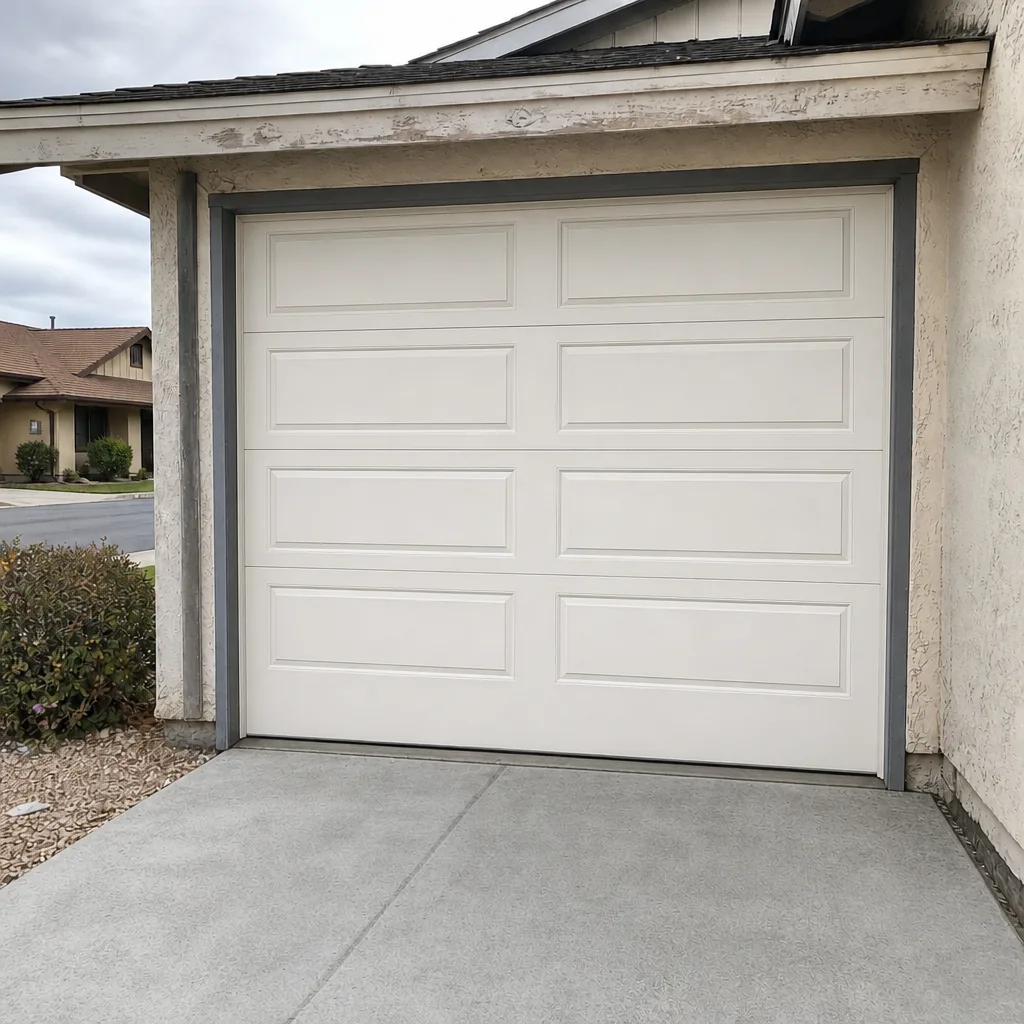 After
Frequently Asked Questions
Cost depends on the part and the door, so the written estimate sets the final price, and the estimate itself is free. Small fixes like sensor realignment or a new bottom seal are the low end, while spring and opener work sit higher. Call (877) 373-8712 for an exact quote based on your door.
Yes, same-day service is often possible for repair calls, though spring and opener work may need brand-specific parts. We answer 24/7. Fast dispatch from 7am to 7pm, Sunday through Friday, with Friday and Saturday closed for dispatch. Call (877) 373-8712 and we’ll book the earliest opening.
No. A bang followed by a heavy or unmoving door almost always means a broken torsion spring, and using the door in that state can damage the opener and the panels. Leave the door down and call a professional. Our garage door repair team handles spring replacement safely.
Run the balance test with the opener disengaged. If the door feels heavy or slams down by hand, the springs are under-supporting it and the motor isn’t the real fault. If the door is balanced and light but the opener won’t run it, the motor or its controls are the problem.
The price is quoted and agreed before any work starts, so you know the number up front. If the diagnosis reveals a different fault than expected, we explain it and get your approval on the written estimate before we proceed. Nothing is added or changed without your okay.
We service LiftMaster, Chamberlain, Genie, Clopay, Amarr, Wayne Dalton, Craftsman, and Raynor, which covers most doors and openers in Spring Valley homes. If you’re not sure of your model, tell us the brand and we’ll match the fix. Learn more about us at Grafton Garage Door Repair.
The Bottom Line
The door you’re looking at is a system, not a single part, and the fastest way to a right first repair is to ask what the door does before you blame the opener. Run the listening test. Run the balance test. Read the failure patterns that Spring Valley’s heat creates: warped tracks, cracked seals, and heat-stressed motors. Handle the safe, preventive repairs yourself and hand the load-bearing ones to a specialist who does nothing but garage doors. Do that, and you avoid the classic double-payment of a spring problem misdiagnosed as an opener problem. When you’re ready, we’re a call away, and you can explore the full scope of our Spring Valley service.
Contact Us
If you’ve read through the troubleshooting steps and still aren’t sure what’s wrong, or you know exactly what’s wrong and want it fixed right, call Grafton Garage Door Repair at (877) 373-8712 for a free estimate. We work on garage doors, repair and installation, and nothing else, so every tool and every part on the truck is chosen for this trade. Call (877) 373-8712. We answer 24/7. Fast dispatch from 7am to 7pm, Sunday through Friday.
Written by the team at Grafton Garage Door Repair, serving Spring Valley since 2013.